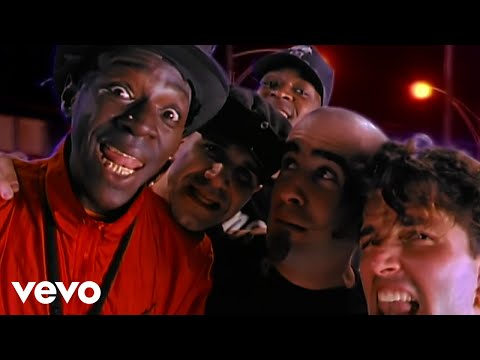
From his humble beginnings growing up in Detroit to becoming one of the most influential forces in modern hip-hop music, Big Sean has created a sound that was as unique and daring as it was infectious. His introspective lyrics earned him a loyal following who adore his delivery and relatability. Despite having numerous successes behind him, however, Big Sean still receives criticism from some critics for not being innovative enough or staying too close to the radio-friendly formula of popular rap music. To better understand this complex artist and their impact on contemporary music culture, let's take a closer look at both the good — and bad — aspects of Big Sean's prolific career.
When it comes to hip-hop music, there are few names as influential and prolific as Big Sean. Rising from humble beginnings in Detroit, he quickly caught the attention of the music industry and audiences alike with his unique sound and introspective lyrics. Big Sean's popularity has only continued to grow over the years, with multiple chart-topping albums and loyal followers who adore his music. However, despite his many successes, some critics still question his innovation and accuse him of being too formulaic in his approach. In this blog post, we'll take a closer look at both the good and the bad aspects of Big Sean's career, to better understand his impact on contemporary music.
On the positive side, one of the main reasons Big Sean has been so successful is his ability to connect with his audience through his lyrics. He has a remarkable gift for turning his own experiences and emotions into something that others can relate to and find comfort in. He has tackled a variety of topics in his music, from his struggles with mental health to experiencing heartbreak and rising above it all. His fans have always appreciated his ability to be vulnerable and open in his music, which has undoubtedly contributed to his loyal following and acclaim.
Big Sean's music is also infectious and catchy, making it difficult to resist tapping your feet or nodding your head along to the beat. He has a knack for creating hooks and choruses that are easy to remember and sing along to, which has helped him climb up the charts and stay there. His sound is undeniably unique, with a mix of soulful melodies, trap beats, and smooth flows that make it stand out from other popular rap music.
However, on the downside, some critics have accused Big Sean of being too formulaic in his approach and lacking true innovation. They argue that he relies too heavily on radio-friendly sounds and structures, and doesn't take enough risks in his music. Some even say that his sound has become predictable and unexciting, leading to a decline in his popularity. While there may be some truth to these critiques, it's important to remember that music is ultimately a personal and subjective experience, and what works for some may not work for others.
Another potential criticism of Big Sean is his tendency to feature other artists heavily in his music. While collaborations are a staple of hip-hop and can lead to some incredible creative blends, some may argue that it takes away from Big Sean's own identity and contribution to the song. It's true that his hits have often featured big-name artists like Drake, Kanye West, and Jeremih. However, it's also possible to argue that these collaborations have helped him expand his audience and reach new heights in his career.
Overall, Big Sean's career has been a remarkable journey from his beginnings in Detroit to his status as a chart-topping artist in the world of hip-hop. While some may critique his ability to innovate or stay fresh, there's no denying the impact he's had on contemporary music and the loyal following he's built along the way. His ability to connect with his audience through his lyrics and infectious sound has made him a beloved figure in the genre. Only time will tell what the future holds for Big Sean, but there's no doubting that he's left an indelible mark on the industry and will continue to be a force to be reckoned with.