The Flying Lizards is an English post-punk/new wave band that has left an indelible mark in the world of music. The band comprises a group of talented individuals who play quirky, experimental songs. Their music is characterized by eccentric rhythms and sounds that push the boundaries of traditional music. If you’re curious about the origins of The Flying Lizards, their most famous albums, and their biggest hits, keep reading!
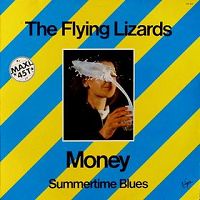
The Flying Lizards was established in 1978 by singer, composer, and producer David Cunningham. The band consisted of different members at different times, but it was mainly known for its unusual soundscapes. David’s influences were numerous, including avant-garde and experimental music, new wave, and post-punk movements. The Flying Lizards’ debut album, known also as The Flying Lizards, was released in 1979 and produced a no. 5 UK hit with their cover version of Money, originally by Barret Strong.
Throughout the 80s, The Flying Lizards continued to release albums such as Fourth Wall (1981) and Top Ten (1984), which were critically acclaimed for its unconventional blend of styles and quirky covers of famous songs. Both albums demonstrated how Cunningham’s meticulous production work created electronic music that was ahead of its time. The former features their well-known Sex Machine cover.
Their biggest commercial hit in the U.S. was TV in 1981. The song was an instant classic, thanks to its repetitive melody and distinct synthpop sound. The band’s popularity continued to soar, contributing two songs to Hal Hartley’s film Trust in 1990. The soundtrack album was released on the same year. During their era, many of New York City’s underground radio stations often played their covers of famous tracks like Buddy Holly’s Not Fade Away and Willie Dixon’s Love Me Tender.
In addition to their unique sound, The Flying Lizards’ covers were notable for their approach to the songs, which was often sarcastic or subversive. They gave a fresh perspective to tracks like Money and Money (That’s What I Want) that focused on the commercialization of pop music. They also infused various genres, such as Salsa and Funk, which often resulted in a highly danceable form of post-punk/No Wave-infused music.
The Flying Lizards’ musical journey takes us on a rollercoaster ride that never failed to surprise fans with unusual covers and unconventional sounds. From the very beginning, they’ve been experimenting with various styles, which made them one of the pioneers of the post-punk and new wave movements. Their influence can still be heard in today’s music, from the synth-driven pop tracks to experimental indie tunes. The legacy of The Flying Lizards will always be remembered, as they continue to inspire new generations of musicians to push beyond conventional boundaries and create something unique and interesting.