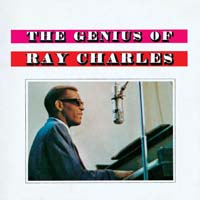
Ray Charles has left an indelible mark on the world of music. From his signature soul-strained vocals and toe-tapping grooves, to his bold experimentation with combining different musical genres, he changed the game for generations of musicians to come. While it is clear that Ray Charles's influence could be felt today in many different corners of the music industry, not all of its reflections have been universally positive - with some claiming that much of his success was achieved by capitalizing on long-standing racial stereotypes or overly sentimental themes. Yet despite these criticisms, there can be no denying that Ray Charles made an important contribution to popular culture during one of America's most tumultuous eras and helped create a vital bridge between its African American roots and mainstream appeal.
When we think of Ray Charles, immediately the images of an iconic artist with trademark sunglasses and soulful voice pop up in our mind. However, his influence extends far beyond just a catchy tune or two. Ray Charles pioneered an innovative style that added a new dimension to music, calling for inclusivity and bridging gaps between different genres in a time when society was polarized. In this blog post, we will dive deeper into the lasting impact of Ray Charles, examining how his music has laid the foundation for many contemporary musicians across various genres.
Ray Charles started his career as a rhythm and blues musician, but he never hesitated to experiment with new sounds and styles. In 1962, Charles released his groundbreaking album, “Modern Sounds in Country and Western Music, which, for the first time, brought together country music and soul. The thought of combining two such vastly different genres was unheard of at the time, but Charles managed to bring them together seamlessly to create an entirely new sound. This album not only showcased his musical talent but also challenged the racial norms of the time, paving the way for African American artists to break out of the R&B music scene and venture into other genres.
In addition to his contributions to music, Ray Charles was also an advocate for civil rights. He refused to play any segregated venues and supported Dr. Martin Luther King Jr. during his civil rights campaigns in the 1960s. He also wrote and performed songs that highlighted the struggle for racial equality, such as Georgia On My Mind and America The Beautiful. Charles used his music as a platform to bring attention to social issues, making him a critical figure in shaping the culture of America during the Civil Rights Movement.
Ray Charles's music was not only influential in breaking racial barriers but also bridging gaps between generations. He was a pioneer in creating a new sound that appealed to young and old listeners alike. His songs were both upbeat and introspective, expressing a wide range of emotions from pure joy to heart-wrenching pain. He had a unique gift for connecting with his audience and making them feel every word he sang. Even today, Ray Charles's music remains timeless and relevant, continuing to captivate and inspire listeners of all ages.
Although, not everything attributed to Ray Charles was positive. Critics have accused him of capitalizing on racial stereotypes in some of his music, and others have called his lyrics too sentimental and cheesy. However, it is clear that Ray Charles's contributions to music far outweigh any criticisms levied against him. He was a pioneer who revolutionized music, challenging societal norms and making it possible for future artists to follow in his footsteps. His music is still celebrated today as the hallmark of soul music, and his influence can be heard in the works of many contemporary artists from diverse genres.
Ray Charles was an extraordinary artist whose vision and talent took the world of music to new heights. He was not only a legendary musician but also a civil rights activist, pushing societal boundaries and challenging the status quo. His music continues to inspire and influence generations of artists to this day. Ray Charles's legacy will always be remembered as a defining moment in the history of music, creating a bridge between cultures, spanning genres, and uniting people of all backgrounds. His music may have ended, but his impact on the world of music is indelible.