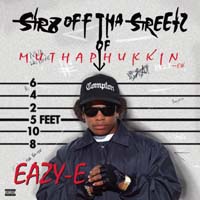
Love him or hate him, the legendary hip-hop artist Eazy e has had an enduring influence on rap culture. First emerging in the 1980s as part of NWA - perhaps one of the most revolutionary rap groups ever to exist - he left an indelible mark on underground and mainstream music worldwide. As a rapper and businessman, his presence was outsize and powerful – but so were his demons. In this post, we’ll explore both sides of his story: what earned him notoriety and respect from fans around the world, why members of the hip-hop community still debate how integral he really was to rap history, plus an examination of which lyrics continue to have relevance today.
In the world of hip-hop, few artists have left as profound a mark as Eazy E. As a member of NWA, a group that pushed boundaries and stirred controversy with their music, Eazy's influence on the genre cannot be ignored. But with that influence came a complex and often contradictory legacy. From his early days as a drug dealer to his later struggles with illness, Eazy E's life was anything but easy. In this post, we'll delve deeper into the myth and legend of the Godfather of Gangsta Rap, exploring his impact on rap culture and examining why his music still resonates with so many listeners today.
First and foremost, Eazy E was a rapper whose lyrics were raw, honest, and unapologetic. With songs like Boyz-n-the-Hood and Eazy-Duz-It, he helped to put Compton on the map and shine a light on the struggles of young, black men in America's inner cities. But his style was more than just socially conscious - it was also infectiously catchy and full of personality. Eazy's distinctive voice and flow made him a standout artist, and his collaborations with Dr. Dre and Ice Cube in NWA helped to define the sound and style of West Coast rap.
Of course, Eazy's influence on hip-hop goes beyond just his music - he was also a savvy businessman who helped to launch the careers of other artists. His label, Ruthless Records, signed acts like Bone-Thugs-n-Harmony and The D.O.C., and his vision for the future of rap music was always forward-thinking. But with all of his success came controversy, and Eazy was at the center of many debates about the state of the genre. Some critics argued that he was more of a businessman than an artist, while others criticized his lyrics for being too violent or misogynistic.
Despite these criticisms, Eazy E's legacy endures. Over two decades since his untimely death from AIDS-related complications, his music is still celebrated by legions of fans around the world. And while some may debate the specifics of his impact on hip-hop history, there's no denying that his influence on the genre and culture is significant. Even today, his lyrics about police brutality, poverty, and disenfranchisement still resonate with many young people who are facing similar challenges.
So what can we learn from the life and legacy of Eazy E? Perhaps most importantly, we can see the power of music to inspire, provoke, and bring people together. We can see the impact of an artist who was unafraid to speak his truth and challenge the status quo. And we can remember that even in the face of adversity, creativity and perseverance can lead to incredible success. Eazy E's story is a powerful reminder that the people who shape our culture are often complex, contradictory, and flawed - and that their legacies can endure long after they're gone.
In conclusion, Eazy E's impact on the world of rap music is undeniable. From his early days in NWA to his later work as a label founder and solo artist, he helped to define an entire genre and culture. But while his legacy may be the subject of much debate, one thing is clear: the spirit and intensity of his music continues to resonate with listeners around the world. Whether you love him or hate him, Eazy E's story is a testament to the power of rap music to inspire, challenge, and transform the world around us.