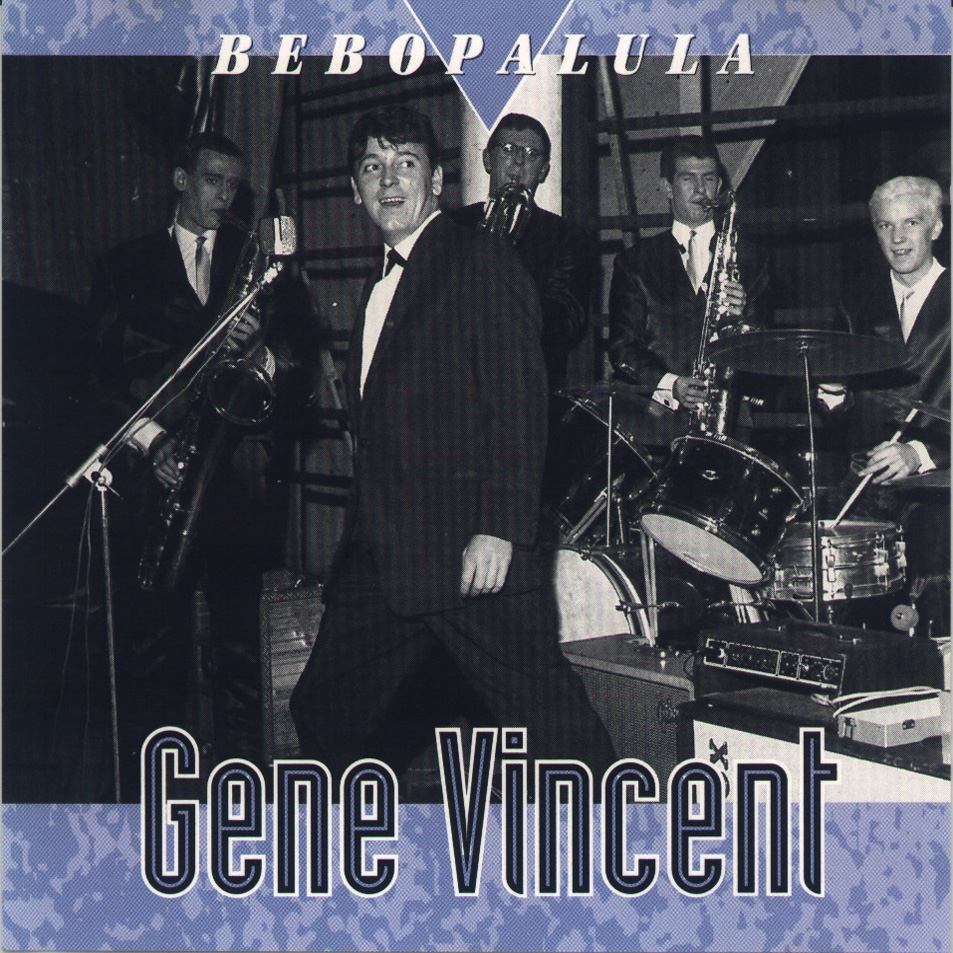
Gene Vincent was one of the most essential and influential singers in music history. He is known for singing rockabilly classics such as “Be-Bop-A-Lula,” “Cellbound Lover,” and his cover versions of Blue Moon and “Let’s Talk About Us.” While he influenced several generations up to today's musicians with his offbeat style and raw energy that filled every room he entered, many have debated if Gene had any negative qualities or cons when it comes to his legacy. In this blog post we will be discussing what critics say are some of Gene Vincent’s shortcomings, while at the same time shedding light on how great artist like him paved the way for a new breed of genre innovators.
When one thinks of rockabilly music, Gene Vincent is a name that immediately comes to mind. His hit song Be-Bop-A-Lula became an instant classic, and his music has influenced generations of artists that came after him. But like any artist, Gene Vincent was not perfect, and his legacy has been challenged by critics who argue that he had his share of shortcomings. This blog post seeks to explore both sides of Gene Vincent's story, to not only celebrate his contribution to music but also to examine the flaws that can exist in even the most beloved of idols.
Gene Vincent is known for his unique style, which blended country, rhythm, and blues into rockabilly. He made music that was raw, energetic, and excelled at putting its audience in a dancing mood. Gene gave rockabilly music credibility and helped establish it as a genre that became a forefather to rock and roll. However, while Gene's music was trailblazing, his persona, on the other hand, was often perceived as being unpleasant. Critics often point out how Gene Vincent was known to be a bit argumentative and had the tendency to alienate his band members. He was also known to struggle with alcoholism, which had a reputation for making him hard to work with.
Another critical argument against Gene Vincent’s legacy is his songwriting abilities. Unlike his contemporaries, such as Elvis Presley and Buddy Holly, he didn't write many of his own songs. Moreover, Gene Vincent’s music often had the same rhythm, structure, and melodies that were common among the rockabilly genre. Critics have argued that Gene lacked the creativity, newness, and innovation that his contemporaries possessed. But one cannot discredit the importance of his music in shaping rock and roll, as it has inspired many artists who have followed in his footsteps.
Gene Vincent's influence on music cannot be overstated. He paved the way for rockabilly musicians who came after him, such as Carl Perkins, Jerry Lee Lewis, Eddie Cochran, and many others. He may not have been the best lyricist or the most innovative songwriter, but he served as an inspiration and lit the spark of creativity in others. Gene Vincent was an icon in his own right, and his contribution to music history remains unmatched.
Gene Vincent may have had his flaws as a person and as a songwriter, but his influence on music is undeniably incredible. His music helped create a unique sound that lasts till today and transformed rock and roll forever. Criticism sometimes focuses solely on what one could have done differently. The same critics fail to see that without Gene Vincent's contributions, rockabilly music would not be what it is today. It is time to celebrate and remember his unique music style that has influenced generations of musicians, forever changing the sound of popular music. His legacy is timeless, and he will continue to inspire future generations of artists to come.