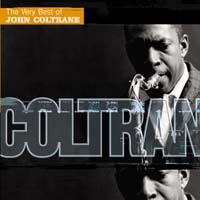
John Coltrane is an iconic figure in the jazz world and one who has inspired generations of musicians, singers, and listeners alike. His sound was groundbreaking when it first hit the scene in the 1950s and has continued to influence music ever since. While his compositions are celebrated around the world as works of musical artistry, there's no denying that they can also be challenging for those not accustomed to jazz music. Our blog post today will take a look at both the criticism and praise surrounding John Coltrane's work—from exploring how he forever changed jazz music to uncovering why his style might turn off some newbies to the genre. So if you're interested in learning more about this legendary musician's soundscape, keep reading!
Jazz aficionados know the name John Coltrane well. Even those without much jazz knowledge tend to recognize his name thanks to his widely celebrated musical career. Born in 1926, Coltrane became recognized for his unique style and his unprecedented improvisational techniques during his time in the music industry. Today, with over five decades gone by since his passing, the world still remembers the contributions of one of the most significant and innovative jazz musicians of all time.
When Coltrane began playing saxophone in the ‘50s, he was seeking opportunities to experiment with sound and challenge established musical practices. At that time, the jazz field was starting to progress in bebop and was coined by the likes of Dizzy Gillespie and Charlie Parker. Coltrane rapidly gained recognition for his unique style and grabbed the very same perspective to the following stage. He explored alternatives, arrived up with fresh experimental musical combinations and contributed incessantly to jazz and music as an entity.
One of Coltrane's most celebrated albums, A Love Supreme (1964), demonstrated his considerable talents, showcasing the way he took the musical language into novel areas. Specifically, his track, Acknowledgment, which serves as the album's first movement, is a noted effort that merges music, lyrics, and a quest of spirituality. The tune is at once natural and inspirational.
Coltrane's innovative playing manner blended complicated technical work with limitless possibilities for self-expression, allowing him to achieve the pinnacle as a saxophonist. After decades of being groomed by renowned teachers, he reversed the principles set by traditional musicians. Coltrane's ability to take different chord progressions and improvise new melodies on the spot redefined jazz as a complex art form, bringing about a paradigm shift in the industry. Regardless of whether playing the tenor, soprano, alto or baritone saxophone, he always managed to establish an emotional connection to listeners, creating soundscapes wholly unique and revolutionary.
Compared to the accessibility of much of today's music, it's not surprising that some people may find Coltrane's music challenging and daunting to approach. The complexity of his compositions, with changes in tempo, rhythm, and structure, can seem overwhelming at first listen. Still, once you dive into Coltrane's world and get a feel for his creativity and genius mind, it's an experience that is unparalleled and fascinating. Every Coltrane album is a journey, and each listen reveals more and more layered depth and complexity, making the listening experience very rewarding.
John Coltrane was and is still a musical giant. His impact on jazz and music, in general, is something that will never go away. It's difficult to express how Coltrane meshes technicalities, emotions, and spirituality in his musical pieces. Still, one thing's for sure – the music he crafted, the sense of experimentation and self-expression, and the technical wizardry continues to be upheld and a source of inspiration for musicians from different genres all over the world. Whether you're an old-school music lover or new to Coltrane's soundscapes, taking the time to discover the wonder that is John Coltrane's music is worth every moment.