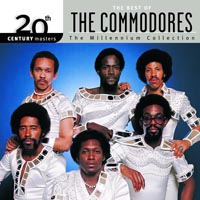
When it comes to classic R&B and funk artists, the Commodores are often at the top of many music fans' list. The iconic group is adored for their noteworthy contributions that have been helping define these genres throughout decades. However, there's a lot more to this Monroe & Ten Speed-produced band than just being recognized for their creative excellence—The Commodores were part of an era when perception of black musicians began shifting in popular culture on a large scale. In this blog post, we’ll take a close look at how far they’ve come as well as discuss some potential missteps that could be seen along the way. Join us as we explore both the positive and negative elements associated with this trailblazing group who left an everlasting stamp on modern music!
When we talk about classic R&B and funk artists, it is impossible not to mention The Commodores. This iconic group has been contributing remarkably to these genres for several decades. However, their impact goes beyond their outstanding musical talents. The Commodores were also a part of an era when perception of black musicians began changing in popular culture on a large scale. In this blog post, we'll discuss how the Commodores steered their way through the changing times and left an everlasting stamp on modern music.
The Commodores began their journey in 1968 at Tuskegee University in Alabama as the Mystics, later evolving into the Commodores. The band's style was predominantly funk and R&B, and they quickly gained popularity with their energetic live performances. Still, it was their association with music legend, Lionel Richie, that led to their explosive success. Richie contributed significantly to the Commodore's success, writing many of their hit songs during his time in the band and providing his unmatchable vocal talents. Songs like Easy, Three Times a Lady, and Brick House became some of the most memorable hits in music history.
Moreover, the Commodores were trailblazers in their own right. As black musicians, they broke barriers in popular culture, transcending the racial boundaries that defined the music industry at the time. Their music was embraced by a diverse audience, and their style and message added to the changing cultural landscape in America. Their music served as a catalyst for the emergence of other black artists who followed in their footsteps, in the face of daunting obstacles and resistance to progressive social norms.
However, not all aspects of The Commodores' journey to success were without controversy. The tension between Richie and the rest of the group, racial politics of the music industry, and personal issues led to Richie's ultimately leaving the band to pursue a solo career. Though the Commodores continued without Richie, the legacy of the band changed with his departure. The band lost the musical genius that helped define their sound and became commercially less successful as some argued that Richie was the glue that held The Commodores sound together.
In conclusion, the Commodores were a remarkable band that left behind a rich and diverse legacy. They broke new ground in racial politics and added to the cultural history of America alongside with other excellent black musicians of the time. However, their story is also one of controversy, with personal issues, changing industry dynamics, and creative differences ultimately leading to their legacy being altered over the years. Through their triumphs, struggles, and reinventions, The Commodores have earned their place as icons of modern music.