If you were a clubber at the beginning of the 90s and you are into dance music, Snap! hardly needs any introduction. Their songs, such as Rhythm Is a Dancer or The Power, are still staples on dancefloors all over the world. But did you know that Snap!'s origins go back more than a decade before they created these monster hits? In this article, we will explore the musical biography of Snap! and how they became one of the most influential dance acts of the early 90s.
Snap! was founded by two German producers, Luca Anzilotti and Michael Münzing, in Frankfurt in 1989. They had been working together since the mid-80s, producing tracks for several Eurodance projects under different pseudonyms. But it wasn't until they met the singer Penny Ford that Snap! started to take shape. From the moment Ford started singing the lyrics that would become The Power, Anzilotti and Münzing knew they had a hit on their hands.
The Power was released in 1990, and it became an instant success all over the world. The song's catchy lyrics, irresistible beat, and the sampled line I've got the power from the Jocelyn Brown's 1986 hit Love's Gonna Get You turned it into one of the biggest dance anthems of all time. The song's success helped to sell more than a million copies of their debut album, World Power, which topped the charts in several countries.
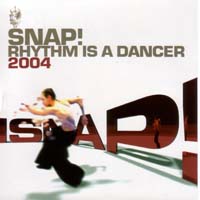
Snap!'s second album, The Madman's Return, released in 1992, was another huge success. It included the hit songs Colour Of Love and Rhythm Is A Dancer, which took the world by storm. Rhythm Is A Dancer was a perfect example of the Eurodance style that was popular in the early 90s, it was simple, infectious, and very catchy. The song reached Number One in several countries, including the UK and Germany, and helped to cement Snap!'s reputation as one of the best dance acts of the time.
Snap!'s third album, Welcome to Tomorrow, released in 1994, brought more changes in musical direction. The album had a more futuristic sound, and included songs such as The First the Last Eternity and Do You See The Light. The album was a moderate success, but it didn't have the same impact as their previous two albums. However, it did show that Snap! was a group that was not afraid to evolve and experiment with different sounds.
After Welcome to Tomorrow, Snap! slowly disappeared from the mainstream music scene. It wasn't until 2000 that they made a brief comeback with their fourth album, Snap! Attack - The Remixes. The album included new remixes of some of their biggest hits, performed by some of the best dance producers of the time, such as Tom Novy, Timo Maas, and David Guetta.
Snap! was a group that had an enormous impact on the early 90s dance scene. Their catchy songs, their innovative use of samples, and their relentless beats made them one of the most exciting acts of the time. Although their mainstream popularity was relatively short-lived, their influence can still be felt in dance music today. Snap! remains a classic example of what can be achieved when a group of talented artists combine their skills to create something that captures the mood of its time. They will always be remembered as one of the essential acts of the early 90s dance scene.
Snap! was a group that had an enormous impact on the early 90s dance scene. Their catchy songs, their innovative use of samples, and their relentless beats made them one of the most exciting acts of the time. Although their mainstream popularity was relatively short-lived, their influence can still be felt in dance music today. Snap! remains a classic example of what can be achieved when a group of talented artists combine their skills to create something that captures the mood of its time. They will always be remembered as one of the essential acts of the early 90s dance scene.