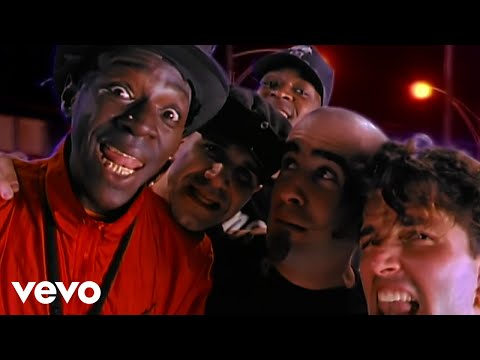
Slum Village is one of the most beloved and respected music artists in hip-hop, having achieved commercial success and a unique devotion to their craft over the course of their illustrious career. But while they have managed to enchant millions with their creative sensibilities, there are still elements that fans may find less than perfect - ones worth exploring. In this blog post, we'll dive into both the critical aspects and bright spots of Slum Village's discography to evaluate what makes them so special and why they remain popular after all these years.
Slum Village, the hip-hop group from Detroit, has been around since the late 1990s and has established themselves as one of the most significant forces in the genre. With their unique blend of soulful melodies and rhyming prowess, they have garnered a loyal fanbase over the years. However, while they are adored by many, their music is not perfect. In this blog post, we'll take a closer look at both the critical aspects and bright spots of Slum Village's discography to evaluate what makes them so special and why they continue to attract listeners after all these years.
One of the most noteworthy aspects of Slum Village's music is the intricate production. From the beginning, Slum Village utilized a sample-heavy production style, which contributed to their unique sound. However, some critics argue that the group's reliance on samples came at a cost to originality. While their early work certainly showcases a lively and innovative soundscape, their later albums feel somewhat formulaic. For instance, some beats on Detroit Deli sound almost regurgitated from previous songs. Despite this, many fans still appreciate Slum Village's nostalgic sound.
Another thing that makes Slum Village so beloved among hip-hop fans is their ability to craft infectious hooks that stick with their listeners long after the song is over. Songs such as Selfish and Fall in Love remain fan favorites because of the catchy melodies provided by Dwele and Yummy Bingham respectively. However, there are instances where the hooks can feel slightly overused, running the risk of feeling repetitive and predictable. Still, it's hard not to appreciate Slum Village's infectious rhythm.
Lyrically, Slum Village has showcased their range in tackling themes from nostalgia to street life. Their rhymes, which are often introspective and personal, have the power to resonate with listeners and convey deep emotions. But, much like any rapper, they also fall into cliches. At times, the struggles of being an artist and coming up in the game feel overdone, and the braggadocious rhymes don't always land right. However, Slum Village's sincerity in their approach to honesty gives a realness to their rhymes that fans can appreciate.
The group has gone through many changes over the years with various members coming and going. Some fans believe the group's original lineup with J Dilla, Baatin, and T3 was the strongest version of the group, and some of their later works didn't quite live up to the standard set by their early classics. While not everyone agrees on which era of Slum Village is the best, it's undeniable that the group has left an indelible mark in hip-hop's history.
Slum Village is a unique hip-hop group that has captured the hearts of many music lovers. Though there are aspects of their discography that may come across as overdone or unoriginal, their music still remains beloved to many. Their signature beats, catchy hooks, and sincere lyrics have all contributed to their lasting impact. Whether you're a fan of their early works, their later albums, or somewhere in-between, Slum Village's contributions to hip-hop make them a group worth exploring.