When we talk about the pioneers of swing, jazz, and rhythm and blues, the name Louis Jordan often comes up. Despite his untimely death in 1975, he remains one of the most influential and popular musicians in the history of American music. Born on July 8, 1908, in Brinkley, Arkansas, Louis Jordan established himself as a skilled saxophonist, bandleader, and songwriter, whose music encapsulates the sound and spirit of the swing era. In this blog post, we'll delve into the life and times of Louis Jordan, his most famous albums, and his most memorable songs, and how he became known as the King of Jukebox during his prime.
Louis Jordan's musical journey started in the 1920s when he formed a band with his brother who played the piano. Through his early years on the road, Louis played saxophone with various groupings of performers before he formed the Tympany Five in 1938. The Tympany Five, which featured a trumpet, a saxophone, and a rhythm section, became one of the most successful acts in the swing, pop, and R&B scene, with their signature sound of swinging beats, catchy melodies, and witty lyrics. Jordan’s unique blend of jazz, blues, and pop music, which was inspired by the likes of Duke Ellington and Benny Goodman, propelled him to fame in the 1940s.
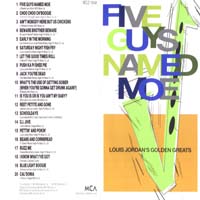
Jordan's most famous records include Choo Choo Ch'Boogie, Caldonia, Let the Good Times Roll, Ain't Nobody Here But Us Chickens, and Saturday Night Fish Fry. These songs had a massive impact on the music scene of his time, often crossing over to the mainstream thanks to Jordan's affable personality and energetic performance style. In addition, Jordan's music was heavily influenced by the Harlem Renaissance, which was known for its cultural vibrancy and artistic movements.
Jordan was a prolific musician, and during his career, he recorded much more than his most famous hits. His albums detail a wealth of musical styles, from jazz and blues to ska and big band. One of the defining themes of his music was the portrayal of African Americans in everyday life, with his songs often referencing work, transportation, parties, and the social issues of black communities. This narrative and storytelling aspect of his music made Jordan a trailblazer in the early civil rights movement.
Jordan's influence can also be traced in the works of many musicians who came after him, such as Ray Charles, Chuck Berry, Little Richard, and James Brown. Beyond his musical prowess, Jordan shattered societal barriers by becoming one of the first black musicians to record and perform for racially integrated audiences. He created some of the most iconic blues and jazz songs of the era, making him a pioneer in the music industry.
Although it is more than 45 years since his death, Louis Jordan's legacy persists to this day. His music was a perfect blend of jazz and blues that captured the spirit of upbeat, lively dancing while also being meaningful and relatable to its audiences. Jordan was a pioneer in using music to present social messages, reflecting on the society he lived in. Throughout his career, he left an indelible impact on music performance and contributed immensely to the growth of R&B and swing music. His music and talent still inspire us today, and we continue to pay homage to his artistry. He truly deserves his title as the King of Jukebox.