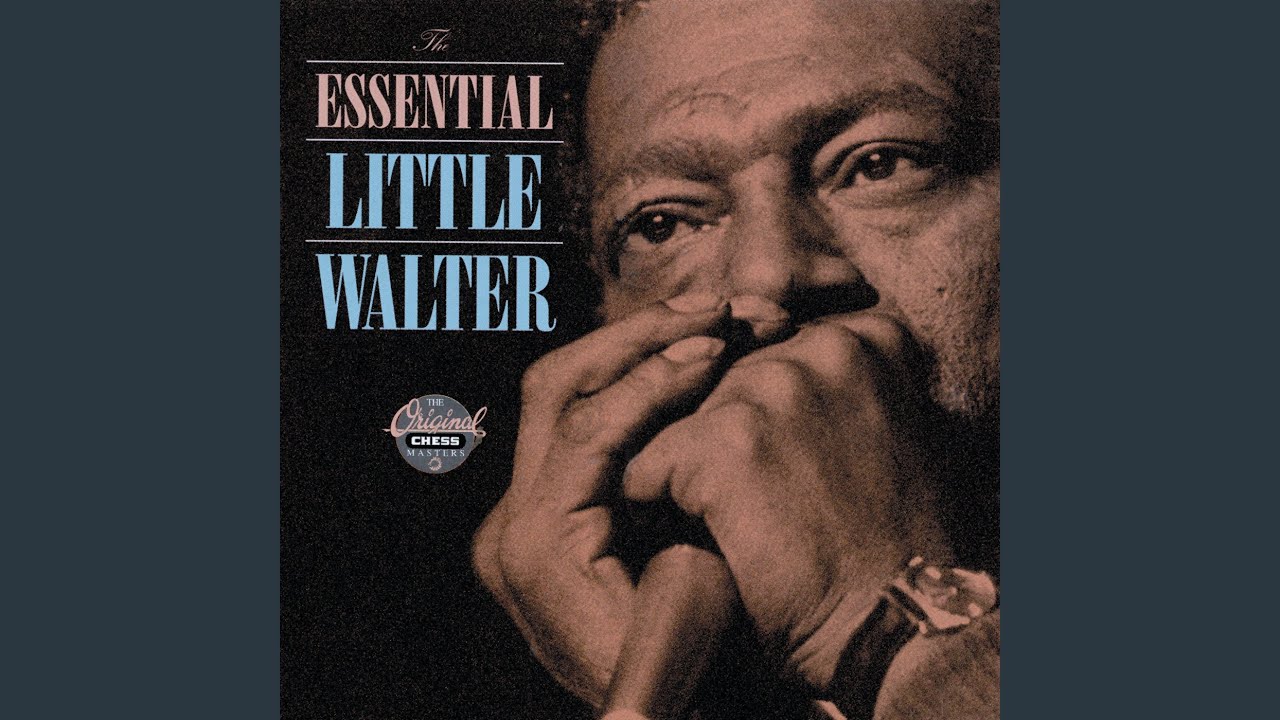
Little Walter has a long and impressive legacy in the history of American blues music. From his time on Chess Records, to his influence on generations of artists, Little Walter’s vital contribution to the culture cannot be denied. But what is sometimes forgotten amongst all the accolades are some unflattering realities relating to this influential musician. In this post, we will explore both the good and bad surrounding Little Walter's extensive career. We will examine how he revolutionized modern blues techniques such as electric amplification and use of a harmonica mic stand while at times struggling with alcohol abuse or broken relationships with bandmates due to personal disputes. Despite all these hiccups along his journey, there is no denying that Little Walter left an indelible mark on popular music today.
Little Walter is a name that often comes up when discussing the history of American blues music. Known for his electrifying harmonica playing and innovative use of the instrument, he revolutionized the sound of the genre during his time on Chess Records. However, while his contributions to music are undeniable, it's important to also acknowledge some of the more complex aspects of his life and career. In this post, we'll delve into the good, the bad, and the lasting legacy of this influential musician.
The Good:
When it comes to Little Walter's legacy, one cannot ignore the immense impact he had on the sound of modern blues. Walter was pivotal in the introduction of electric amplification and the use of the harmonica mic stand, which allowed him to create a fuller, more powerful sound. He also pushed the boundaries of the harmonica's capabilities, making it a lead instrument rather than just a backing one. This influence on blues music can be heard in countless recordings by artists spanning generations, such as Eric Clapton, Stevie Ray Vaughan, and Billy Branch.
Another positive aspect of Little Walter's career was his musical partnership with Muddy Waters. The two men had a strong creative bond that resulted in many classic songs, including My Babe, which was one of Little Walter's biggest hits. Together, they helped to define the Chicago blues sound that would go on to influence rock and roll for decades to come.
The Bad:
Unfortunately, Little Walter's life wasn't always smooth sailing. He struggled with alcoholism throughout his career, which led to missed gigs and erratic behavior on stage. This often put a strain on his relationships with bandmates and record label executives. In addition, his personal life was marked by tumultuous romances and legal troubles.
One particular moment that exemplified the negative aspects of Little Walter's career occurred during a recording session with Muddy Waters. Walter was being uncooperative and belligerent, to the point where Waters threatened to end the session unless he complied. This kind of behavior had consequences not just for Little Walter himself, but for those around him who depended on his creative output.
The Legacy:
Despite the ups and downs of his life and career, there's no denying the lasting legacy that Little Walter left on music. His contributions to the sound of blues and rock and roll are invaluable, and his influence on harmonica playing continues to be felt today. Additionally, his struggles with addiction and personal relationships serve as a reminder that even the most talented and influential artists are human, with flaws and imperfections like everyone else.
Perhaps the most fitting tribute to Little Walter comes from those who were inspired by him. In a 1991 interview with Down Beat magazine, blues musician Carey Bell said, If it wasn't for Little Walter, I wouldn't play harmonica. I wouldn't even pick it up. This sentiment is echoed by countless other musicians, highlighting the enduring impact that Little Walter had on the world of music.
In conclusion, Little Walter was an incredibly talented musician who pushed the boundaries of what was possible with the harmonica. His innovations and collaborations helped to define the sound of blues and rock and roll, and his legacy continues to inspire musicians today. However, it's important to also acknowledge the more difficult aspects of his personal life, such as his struggles with addiction and turbulent relationships. By recognizing the good and the bad, we can gain a fuller understanding of Little Walter's impact and appreciate his contributions to music even more.