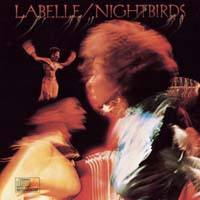
The American girl group Labelle has been making waves in the music industry since the '60s, and they are still as relevant today as they have ever been. With their fusion of soul, funk and rock, they've captivated generations with their iconic sound. Although there is no denying that Labelle created some timeless hits like “Lady Marmalade” and “Voulez-vous coucher avec moi ce soir? (Do You Wanna Go to Bed with Me?), one must also acknowledge some of the criticism directed towards them and how it may cast a shadow on their career success. In this blog post, we will be examining both the praise and critiques surrounding Labelle's noteworthy contributions to popular music.
Labelle is an American girl group that has been in the forefront of music since the 60s. With their fusion of soul, funk, and rock, they've captivated generations with their iconic sound. Their music has been timeless, with hits like “Lady Marmalade” and “Voulez-vous coucher avec moi ce soir? (Do You Wanna Go to Bed with Me?). However, with all great success comes criticisms, and Labelle has had its fair share. In this post, we will be talking about both the praise and criticisms directed towards Labelle's contributions to popular music.
Labelle's music has been praised for its innovative sound, inclusivity and in its ability to appeal to a diverse audience. Labelle's integration of disco, rock, funk, and soul has been highly unique among other music groups. Patti Labelle, Nona Hendryx, and Sarah Dash's outstanding vocals that harmonized together, combined with sassy and bold stage presence made them role models in the music industry. Labelle was inclusive as they presented within their music African American and LGBTQ centered themes. They represented and embraced the LGTBQ community as well as African Americans, and this acknowledgment shines through within their music.
Despite their success, critics have spoken against Labelle for the song Lady Marmalade as it has problematic elements that could be deemed culturally insensitive. The song was released in the mid-70s and was a chart-topping hit. The lyrics contained sexually explicit phrases in French, and some of its ambiguous lyrics might be questionable or too risqué for the public's standards. Some critics view the use of the mixed terms “lady” and “creole” in the song as a fetishization of Black sexuality. However, others argued that this was a way of embracing and celebrating French and New Orleans ancestry.
The group was also condemned for their tendency to put on eccentric and flamboyant outfits and makeup. Critics referred to it as drag that casted a bad image for female musicians. Female musicians were typically viewed to have a better role in society wherein they could embody conservative and traditional values. However, Labelle had defied gender norms through their eccentric costumes and high-energy performances, which contributed to women's rights movements and opened doors for other women performers in the future.
Overall, Labelle's music has placed a significant mark in music history through their music style, which is a fusion of rock, funk, and soul, and they have beautified the stage with their extravagant costumes and energetic performances. Their music embraced inclusivity and celebrated cultural diversity, breaking down gender norms in the music industry. Still, social critics have spoken against them, particularly their song, “Lady Marmalade,” and their image. Still, none of these criticisms caused any dent in Labelle's accomplishments in the music world. So, let's celebrate Labelle for the music and legacy they presented to us that we still continue to listen to.