Joni Mitchell is a name synonymous with versatility, originality, and creativity in the music industry. Her exceptional writing skills and soul-stirring melodies have impacted not only the music world but also the political and social spheres of the 1970s. From her humble beginnings in Canada to becoming one of the most influential musicians of our time, Joni Mitchell's journey has been nothing short of phenomenal. In this article, we will delve into the musical biography of this visionary artist, exploring her early career, her most famous albums, and her iconic songs.
Born on November 7, 1943, in Alberta, Canada, Roberta Joan Anderson (as she was named) grew up surrounded by music. Her parents were both musical, and Joni started playing the piano and singing at a young age. In her teens, she learned to play the ukulele before switching to the guitar and performing at local coffeehouses. Joni's big break came in 1967, when her debut album, Song to a Seagull, was released. The album featured songs with poetic lyrics and intricate fingerpicking style that defined her unique musical style.
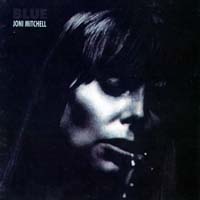
In the years that followed, Joni continued to release album after album, each showcasing her songwriting and vocal talent. Her 1971 album Blue is regarded as one of her most successful works, featuring songs like A Case of You and River. The album, characterized by stripped-down arrangements and introspective lyrics, has been a source of inspiration for many other musicians to date. Another one of Joni's most iconic works is her 1974 album Court and Spark, which debuted at number two on the Billboard 200 chart. Songs like Help Me, Free Man in Paris and Raised on Robbery became instant classics and demonstrated Joni's versatility as a musician.
While Joni's music is difficult to pigeonhole into one genre, her influence on folk and jazz music is unmistakable. Her eclectic style draws from multiple sources, including rock, pop, and classical music. Her voice is distinctive, characterized by its versatility and range. Her lyrics, which often dealt with love, nature, and social issues, showcased her poetic prowess and ability to express deep emotions through her music. Songs like Big Yellow Taxi, Both Sides Now, and Woodstock have become timeless classics and continue to resonate with listeners across generations.
Joni's musical career has spanned five decades, earning her numerous accolades and accomplishments. She has won eight Grammy Awards, including a Lifetime Achievement Award, and been inducted into the Rock and Roll Hall of Fame. Her impact on the music industry and culture at large has been profound, inspiring other musicians to follow their artistic vision and carve their paths. Joni's music has been described as a reflection of her soul, and her legacy is a testament to the transformative power of music.
In conclusion, Joni Mitchell's musical biography is a journey through the life of a visionary artist who dared to challenge norms and create music that transcended genres. Her unique style, poetic lyrics, and soulful voice have made her an inspiration to generations of musicians and music lovers. From her humble beginnings in Canada to her induction into the Rock and Roll Hall of Fame, Joni's legacy is a testament to the enduring power of music to move hearts and minds. Listening to her music is akin to experiencing a journey through her soul - an experience that has and will continue to inspire and captivate music fans around the world.