Jimmie Lunceford is a classic legend who introduced brass and swing to the jazz music genre in the 1930s. His melodies were among the first to produce catchy tunes that all could appreciate, and he became an inspiration to many upcoming musicians. He was born Ira E. Lunceford, but his older sister called him Jimmie, a nickname that has stuck with him up to this day. In this blog post, we will take you through Jimmie Lunceford's journey from his beginnings to his most prolific albums and songs, and give you a glimpse into the life of this artist and the significance of his work in the music industry.
Jimmie Lunceford's upbringing in Memphis, Tennessee, influenced his music in several ways. Lunceford was part of the Jim Crow South, and it played a significant role in shaping his sound as his family often listened to spirituals and ragtime tunes in churches. He started playing in his high school band and eventually enrolled in Fisk University, where he was the head of the music department after graduation. In 1927, he moved to New York, where he collaborated with several other musicians before launching his own big band.
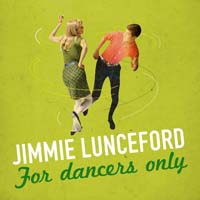
Lunceford's most famous album, Rhythm Is Our Business, showcases his innovative style and unique sound. The album includes some of his most iconic songs, including For Dancers Only, Organ Grinder's Swing, and the title track, Rhythm Is Our Business. What made Lunceford and his band stand out was the soloing and the addition of brass to the music genre. Listening to Lunceford's music, it's impossible not to feel the energy and enthusiasm emanating from his big band.
Another of Lunceford's most famous songs, Harlem Shout, is a perfect example of his style. The song's swinging rhythm is the perfect way to dance, showcasing Lunceford's attempts to marry jazz and swing, making it accessible to a more extensive audience. He also partnered with Sy Oliver, his primary arranger, making sure his music stood out above the rest. The collaboration led to many hits, including Tain't What You Do (It's the Way That You Do It) and My Blue Heaven.
Lunceford was known for his theatrical performances and his well-coordinated band members, who often danced and acted out the music. He brought in new and exciting elements to his performances, including the echoing Yeah, Man! chant that has become iconic with his songs. Musicians looked up to Lunceford as a source of inspiration and a standard to strive for, and his influence continues to this day.
Jimmie Lunceford's contributions to the music industry cannot be overstated. His innovative approach to jazz and swing music paved the way for many musicians that followed. His music remains a vital part of the canon of jazz music, and his influence can still be felt today. We hope that this brief overview of Lunceford's career has inspired you to check out his music and appreciate his contributions to music history.