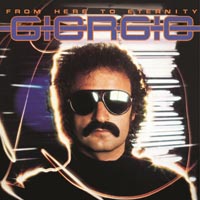
Giorgio Moroder is one of the most influential figures in the world of music, known for being a pioneer of electronic dance and disco music during the 1970s. His influence can be felt throughout all kinds of genres today, from EDM to electro-pop and beyond. One could even rightfully call him an architect for modern production techniques, his importance in this regard cannot be understated. However, despite Giorgio Moroder's immense contribution to contemporary music production practices there are still areas in which some may argue he leaves something to be desired - no artist is perfect after all! In this blog post we will examine both sides critically and thoroughly analyze what it truly means to have Giorgio Moroder as part of our musical ecosystem.
Giorgio Moroder is a name that holds power and weight in the world of music. For those who aren't familiar with his name, you have certainly heard his work. Honourably known as the Father of Disco, Moroder played a pivotal role in creating music that has transcended through the years and influenced the likes of artists such as Daft Punk, Lady Gaga, and The Weeknd. His contribution to the development of electronic dance and disco music in the 70s and beyond has cemented his place in music history. But with all great artists, it's worth inspecting their influence critically. In this post, we'll dive deeper and explore what it truly means to have Giorgio Moroder as part of our musical ecosystem.
Giorgio Moroder's career began with his work on the film score for the controversial 70s cult classic, Midnight Express. It was his fresh take on music for film that earned him an Academy Award for Best Original Score. This was only the beginning of his illustrious career, which later led him to work with an array of artists, such as Donna Summer, Blondie, and David Bowie.
One of the biggest changes Moroder brought to the music scene was his innovative production techniques, which transformed the way music was made. He was among the first to use synthesisers and electronic drums in disco music, creating a sound that brought with it a futuristic flair. As a result, he gave birth to a new genre of music that was electrifying and transformative. His influence on modern music-making has been massive. Every electronic musician today still uses the very foundation he created.
Moroder's influence is such that, even four decades later, his music still continues to inspire. His vision for the future of music has had an incalculable impact that echoes on in every discotheque and after-party.
However, it's important to note that Moroder's contributions have not been to everyone's taste. Critics of his work often argue that his music can be repetitive and monotonous, lacking any stimulation and leaving the listener feeling unexcited. Not to mention, his use of sexism and casual misogyny in songs like “Love to Love You Baby” have not aged well.
Nevertheless, we cannot deny that Giorgio Moroder's contributions to the world of music are incomparable. He has been a trailblazer, shaping music production in ways we could not have imagined. His collaborations with singers such as Donna Summer created hits such as I Feel Love and Hot Stuff, which remain classics even today. His innovative contributions, new tempo, and sound are still an inspiration to many.
In conclusion, Giorgio Moroder can easily be considered a true icon and an innovative force in the history of music. He played a vital role in creating a new genre of music that has stood the test of time and transcended through the years. While there may be things that could have been done better, it cannot be denied that his contributions were tremendous. His influence can be heard in all corners of the music production industry today, and his vision for the future of music is still resonating amongst modern producers. As music listeners, we merely stand in the awe of what he created, and are indebted to the legend, the Father of Disco, Giorgio Moroder.