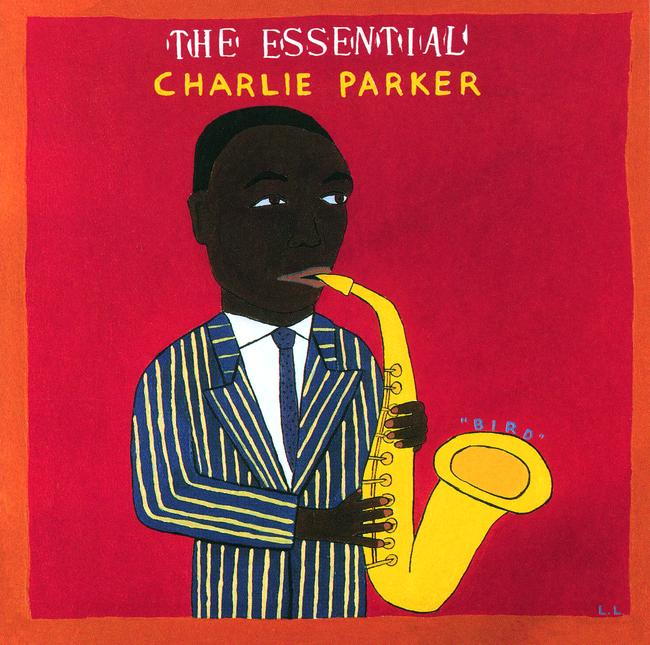
Music fans get ready, because I'm about to take a deep dive into the work of Charlie Parker – arguably one of the most talented saxophonists to have ever lived. While there's no denying his virtuosity on the instrument, and his status as an undeniably influential figure in jazz music, not everything that comes with Parker is by necessity gold. So if you're looking for some conjecture-filled criticism directed at the man who changed how we look at improvisation, then you've come to the right place!
Charlie Parker is undoubtedly one of the most influential musicians in jazz history. His virtuosic saxophone playing and innovative improvisation revolutionized the genre and paved the way for generations of jazz musicians to come. However, Parker's legacy is a complicated one, fraught with addiction, controversy, and tragedy. In this blog post, we will take a deep dive into the life and work of Charlie Parker, exploring both the highs and lows of his career.
Charlie Parker was born in Kansas City in 1920 and began playing the saxophone as a teenager. He quickly gained a reputation as a prodigious talent and joined the Jay McShann Orchestra in the early 1940s. It was during this time that Parker's innovative approach to improvisation began to take shape. He pushed the boundaries of traditional jazz harmony and rhythm, introducing new ideas such as chromaticism, bebop, and polyrhythms. Parker's playing was fast, furious, and utterly groundbreaking.
Despite his undeniable talent, Parker's personal life was marred by addiction and tragedy. He struggled with heroin dependency for much of his career, and his drug use ultimately contributed to his premature death in 1955 at the age of 34. Parker's struggles with addiction were a reflection of the societal pressures and racism he faced as a Black musician in the mid-20th century. Many jazz musicians of the time turned to drugs as a means of coping with the stress and discrimination they encountered in their professional lives.
Despite his personal demons, Parker's impact on jazz was monumental. He influenced countless musicians, from John Coltrane to Sonny Rollins, and his improvisational style remains a hallmark of the genre to this day. Parker's compositions, such as Ornithology and Anthropology, are still played by jazz musicians around the world and remain part of the standard repertoire.
However, it is important to acknowledge that Parker's legacy is not without controversy. He was known to have a volatile personality and was involved in several altercations throughout his career. Additionally, some have criticized his treatment of women, which included multiple instances of infidelity and domestic violence. While none of this excuses or diminishes Parker's musical achievements, it is important to recognize the complexity of his character.
In conclusion, Charlie Parker's legacy is a complicated one. His contributions to jazz cannot be overstated, and his influence on the genre is enduring. At the same time, his personal demons and controversial behavior should not be ignored or brushed aside. As fans of jazz, we can celebrate Parker's innovations and appreciate his musical genius while also recognizing the nuances of his legacy. By doing so, we can gain a deeper understanding of the man behind the saxophone and the broader cultural context that shaped his life and career.