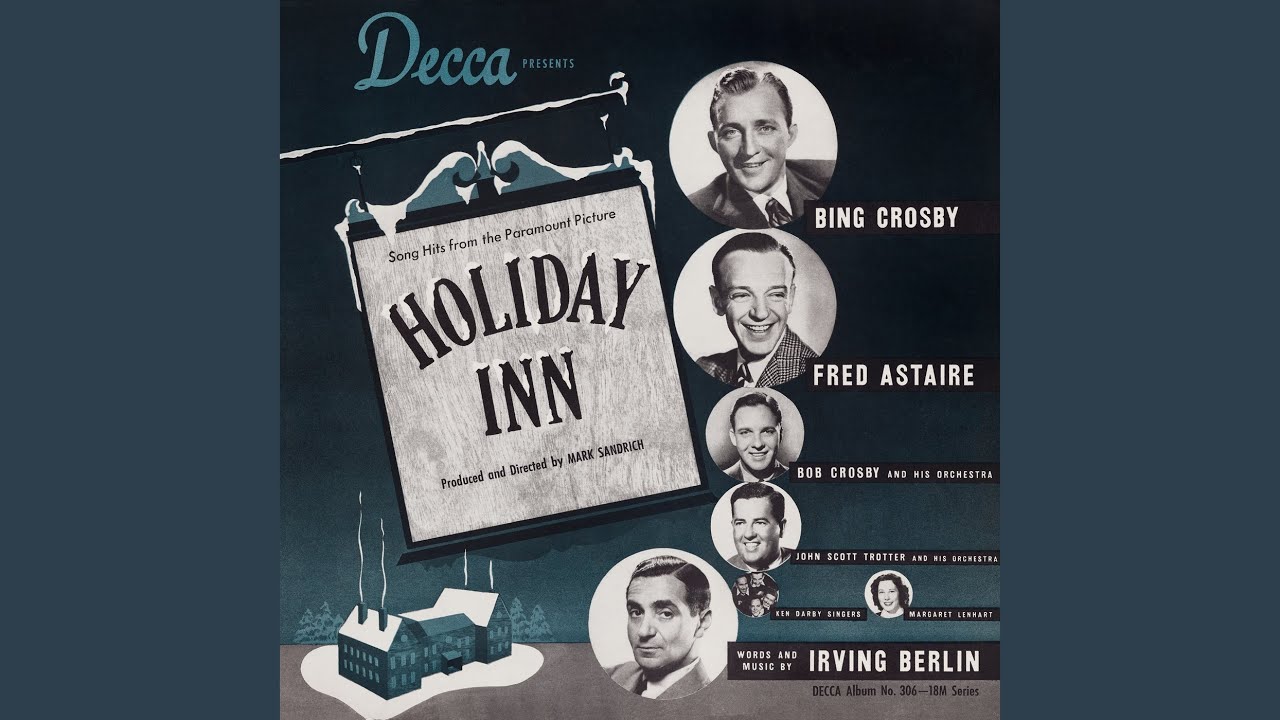
With a career spanning more than half a century, Bing Crosby was an American music icon who blended his silky smooth voice in jazz, pop and old-style country tunes. He made hit after hit on the charts during the 1930s to 1940s and even earned himself a star on Hollywood’s Walk of Fame. Although most modern listeners may not be too familiar with his work today, they should know that there is much for them to appreciate about this amazing artist whose influence continues to live on in many ways. We are going to take some time now to look at both the criticism and accolades that have surrounded Bing Crosby's impressive career so you can decide for yourself if you admire him as much as millions of other fans do!
When it comes to American music icons, Bing Crosby is a name that cannot be left out of the conversation. With a musical career that spanned over half a century, Crosby's silky smooth voice made him a favorite among jazz, pop, and old-style country music lovers. He had a string of hits during the 1930s and 1940s, becoming one of the most popular singers of his time. Although his music might not be as familiar to modern listeners, there is so much to appreciate about this talented artist. In this post, we'll take a closer look at the ups and downs of Bing Crosby's career, and why his music continues to influence modern-day artists.
From the outset, it's important to note that Bing Crosby was a pioneer in music. His use of the microphone transformed the way singers delivered music to their audiences. By singing in a relaxed and intimate voice, Bing Crosby created a style that sounded as if he was singing directly to you. That style helped him appeal to millions of fans during his career. His smooth and slow tempo hits like White Christmas, showcased his amazing ability to connect with his audience, something that was uncommon at the time.
If there is one thing that Bing Crosby is famous for, it's his Christmas classics. Many of these songs, like Silent Night and Jingle Bells, are still heard in the Christmas season today. But Bing's popularity went beyond Christmas. He was a leading artist throughout the 1930s and 1940s, making hundreds of hit songs during this time. His charm and appeal attracted fans from all backgrounds, and his music often featured in popular films of the time.
Despite his successes, Bing Crosby faced criticism in some quarters for his often-reactionary views. At times, his music and his statements were racist and sexist. He also clashed with musicians like Louis Armstrong, who were fighting for their own rights within the music industry. These critiques are certainly worth noting when discussing his life and career, but it's important to recognize that Crosby also showcased an incredible ability to evolve. His later works displayed a more diverse range of influences, highlighting his adaptability at remaining relevant to changing music scenes.
In summary, Bing Crosby’s influence is undeniable. He was an extraordinary pioneer who set the foundations for modern music. His music had elegance, charm and reminded us to be gentle and soothing. Crosby may have had his flaws, but there's no denying that it's a career that continues to fascinate music listeners across the globe. His skillful voice and unique style left an indelible mark on modern music and the music industry. If for nothing else, Bing Crosby will go down as one of the greatest singers in American history. Listening to his music will give you the chance to enjoy some of the greatest works of an iconic artist. Whether you're a diehard fan or a curious newcomer, the music of Bing Crosby is a must-experience for all music lovers.