If you are a music lover looking to explore new, exciting jazz artists, then you definitely should familiarize yourself with the life and works of Cecil Taylor. He was an American jazz pianist and poet, who has made remarkable contributions to the contemporary avant-garde jazz scene. Throughout his career, he has developed a unique style that is defined by rhythmic complexities and improvisational creativity. In this blog post, we will take a look at the musical biography of Cecil Taylor, from his beginnings to his most famous albums and songs.
Cecil Taylor was born in New York City in 1929. He was exposed to music early on, as his mother was a jazz-loving dancer, and his father played the piano. Taylor started playing the piano at a young age and eventually studied music at the New England Conservatory of Music in Boston. He was influenced by various artists, including Thelonious Monk, Duke Ellington, and Art Tatum.
In the late 1950s, Taylor gained attention in the jazz scene for his unique pianistic approach. He displayed complex polyrhythms, angular melodies, and a flamboyant performance style. His first important recording was Jazz Advance in 1956, which he self-produced. The album featured Taylor playing with drummer Denis Charles and bassist Buell Neidlinger.
One of Taylor's most famous albums is Unit Structures, which he recorded in 1966 with his quintet featuring saxophonist Jimmy Lyons, trumpeter Eddie Gale, bassist Ken McIntyre, and drummer Andrew Cyrille. The album is known for its free-jazz and avant-garde elements, where the musicians improvised freely together, creating a complex yet unified sound. It has become a milestone in the development of contemporary jazz.
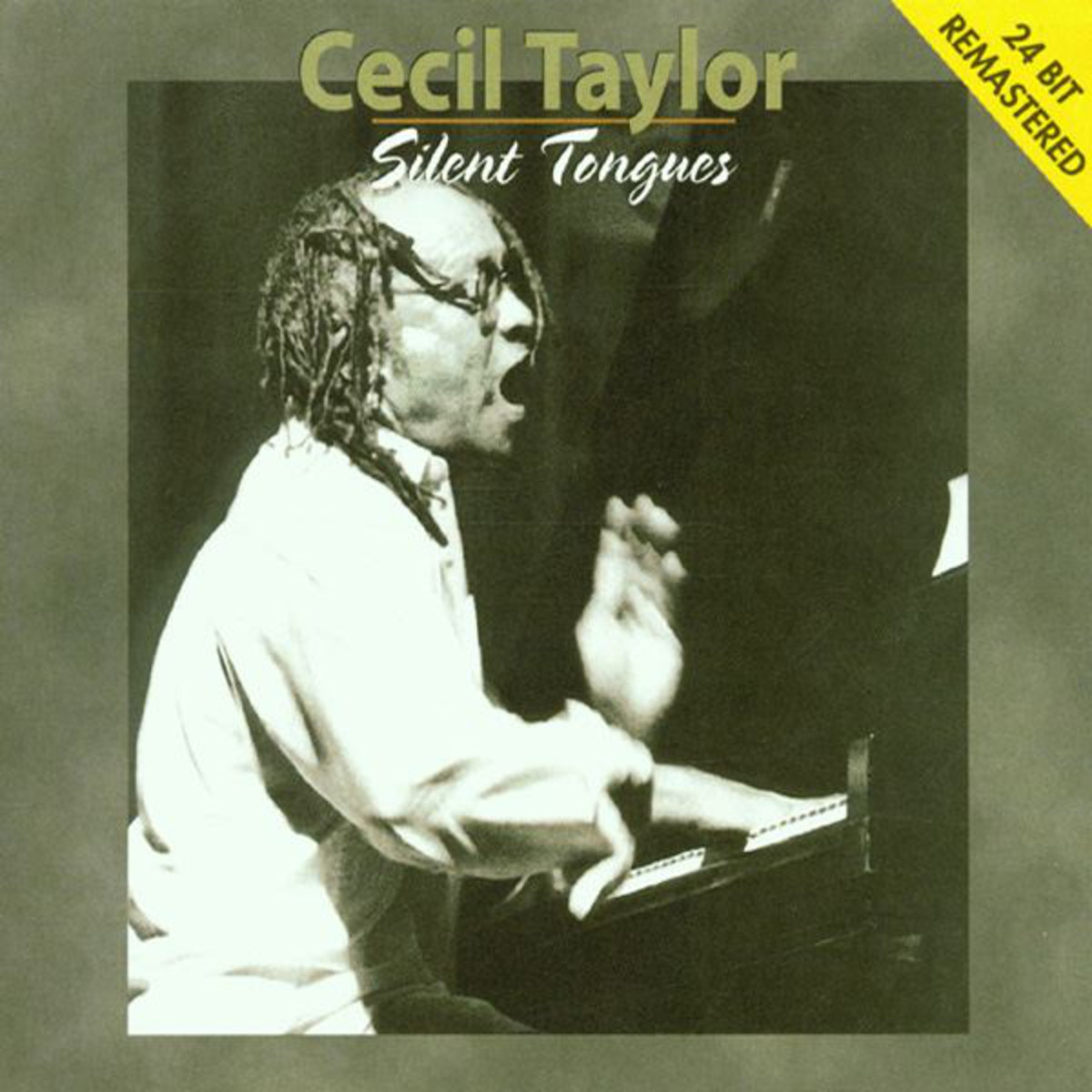
In terms of songs, one of Taylor's most famous works is Silent Tongues, which is a solo piano piece that he recorded in 1974. The song is characterized by its diverse range of nuances, from pounding dissonant chords to gentle ethereal melodies.
Cecil Taylor's musical style has influenced many contemporary jazz artists. He is praised for his ability to create a unique and complex musical language, that is defined by rhythmic complexities and improvisational creativity. His playing style was known for its physicality and energy, which was reflected in his flamboyant stage presence.
Conclusion: In conclusion, Cecil Taylor was a remarkable jazz artist, whose unique style has influenced countless musicians worldwide. His contribution to the development of contemporary avant-garde jazz is significant, and his music remains as powerful and mind-bending as it was back in the day. If you are a jazz lover looking to immerse yourself in the world of avant-garde jazz, then you should definitely give Cecil Taylor a listen. You will not be disappointed!