There's no denying that music has always played a crucial role in our lives. It's an integral part of every culture across the globe and has the power to transcend boundaries and create moments of joy, sadness, and everything in between. For music lovers, discovering the story behind an artist and their music can be just as exciting as listening to their songs. In this article, we'll be exploring the musical biography of Soft Cell - his beginnings, his most famous albums, his most famous songs, and his musical style and influences.
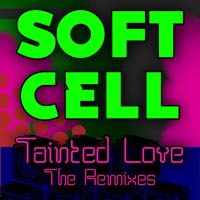
Marc Almond and David Ball first met in the late 70s in Leeds, England, where they were both studying art. Almond was already a part of the Leeds music scene, having performed with various bands, while Ball was more focused on producing music. They formed Soft Cell in 1978 and quickly gained local acclaim with their unique brand of electronic music. In 1981, they released their most successful album, Non-Stop Erotic Cabaret, which included their hit single Tainted Love. The song topped the charts both in the UK and the US, and it's still widely recognized today as one of the most iconic songs of the 80s.
The success of Tainted Love propelled Soft Cell to international stardom, and they followed it up with another successful album, The Art of Falling Apart in 1983. However, the duo disbanded in 1984 due to creative differences and pursued solo careers. They reformed in the early 2000s and continue to collaborate occasionally.
Soft Cell's music can be described as a blend of electronic, new wave, and synth-pop. They were known for their distinctive sound, which featured catchy synth hooks and Almond's unique vocals. However, their music wasn't just about catchy hooks and beats - many of their songs dealt with dark and taboo subjects, such as drug addiction, sexual experimentation, and loneliness.
In terms of musical influences, Soft Cell drew inspiration from a wide range of artists and genres, including Kraftwerk, David Bowie, Roxy Music, and soul music. They also incorporated elements of classical music into their compositions, which was unusual for the genre.
Soft Cell's discography may be relatively brief, but their influence on electronic music is undeniable. With their unique sound and willingness to explore taboo subjects, they paved the way for other artists in the genre to push boundaries and experiment with new sounds.
Soft Cell's story is one of rags to riches. Two art students from Leeds, who met while doing their own thing ultimately went on to produce some of the most recognizable music of the 80s. Their music still holds relevance today, and the band continues to influence new artists globally. Personal favorites for me include Tainted Love, Say Hello, Wave Goodbye, and Bedsitter. If you're a music lover who's yet to discover Soft Cell's music, I highly recommend giving it a listen - it's the perfect depiction of the electronic new wave genre and a must-add for every music library.
Soft Cell's story is one of rags to riches. Two art students from Leeds, who met while doing their own thing ultimately went on to produce some of the most recognizable music of the 80s. Their music still holds relevance today, and the band continues to influence new artists globally. Personal favorites for me include Tainted Love, Say Hello, Wave Goodbye, and Bedsitter. If you're a music lover who's yet to discover Soft Cell's music, I highly recommend giving it a listen - it's the perfect depiction of the electronic new wave genre and a must-add for every music library.