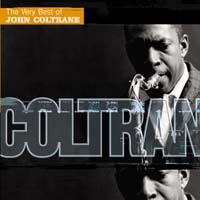
If you are a jazz lover, then you must have heard the name John Coltrane, who is often referred to as the father of modern jazz. He is considered one of the most influential saxophonists in the history of jazz music, and his style has inspired countless musicians around the world. From his humble beginnings in North Carolina to becoming a legend in the jazz world, Coltrane's musical journey is nothing short of fascinating. Join us as we take a closer look at the life and times of John Coltrane.
John Coltrane was born in Hamlet, North Carolina, in 1926, and he grew up in a musical family. His father played several instruments, including the violin and ukulele, and his mother sang in the church choir. Coltrane learned to play the clarinet and the alto saxophone in his teens, but it was not until he was drafted into the United States Navy in 1945 that he took up the tenor saxophone. During his military service, he joined the Navy band and started to hone his musical skills.
After being discharged from the Navy in 1946, Coltrane moved to Philadelphia, where he met musicians such as Dizzy Gillespie and Dexter Gordon and started to establish himself as a professional musician. In 1955, he joined the Miles Davis Quintet, one of the most famous jazz ensembles of the time, and started to gain recognition for his innovative improvisation skills. Coltrane's contributions to Davis's albums such as Milestones and Kind of Blue are considered some of the most important in the history of jazz.
In 1960, Coltrane left Davis's ensemble to form his own band, which included legendary jazz musicians such as McCoy Tyner on piano, Elvin Jones on drums and Jimmy Garrison on bass. The John Coltrane Quartet, as they were known, released several critically acclaimed albums, including Giant Steps, My Favorite Things and A Love Supreme. Coltrane's style started to evolve towards more experimental and free-form jazz, and his use of unusual scales and chord progressions set him apart from other musicians of his time.
One of the most famous songs associated with Coltrane is My Favorite Things, a jazz rendition of the classic song from The Sound of Music. The song featured Coltrane's signature style of using unusual chord progressions and scales and is considered one of the most iconic jazz songs of all time. Other notable songs from Coltrane's catalog include Giant Steps, Alabama, and Acknowledgment.
Coltrane's musical influences included Charlie Parker, Thelonious Monk and Miles Davis, and his style has inspired countless musicians over the years, especially in the free-form and avant-garde jazz genres. Coltrane's use of multiple saxophones, including the soprano and the tenor, and his innovative use of improvisation and unusual chord progressions have made him a legend in the world of music.
In conclusion, John Coltrane's musical journey is nothing short of remarkable. From his humble beginnings in North Carolina to becoming a legend in the jazz world, Coltrane's legacy lives on through his music. His innovations in improvisation, his use of unusual chord progressions and scales, and his influence on the free-form and avant-garde jazz genres make him one of the most important musicians of all time. Coltrane's music will continue to inspire generations of musicians, and his contribution to jazz music can never be underestimated.
In conclusion, John Coltrane's musical journey is nothing short of remarkable. From his humble beginnings in North Carolina to becoming a legend in the jazz world, Coltrane's legacy lives on through his music. His innovations in improvisation, his use of unusual chord progressions and scales, and his influence on the free-form and avant-garde jazz genres make him one of the most important musicians of all time. Coltrane's music will continue to inspire generations of musicians, and his contribution to jazz music can never be underestimated.