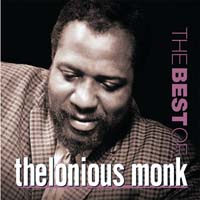
Thelonious Monk, born in North Carolina in 1917, is widely regarded as one of the most unique and influential jazz pianists in history. He began his musical journey at an early age and was soon recognized and celebrated by audiences and fellow musicians alike. Over the years, Monk developed a style of playing and composition that was highly innovative and dynamic, paving the way for future generations of jazz artists. In this blog post, we will take a closer look at the life and career of Thelonious Monk, his most famous albums and songs, and the musical influences that shaped his sound.
Monk's musical journey began at the age of six, when he started playing the piano. He was largely self-taught and had a unique approach to the instrument that involved unusual voicings and chord progressions. In the late 1930s, Monk moved to New York City, where he became part of the vibrant jazz scene and joined forces with other emerging musicians. He quickly gained popularity and developed a loyal following, thanks in part to his dynamic live performances and his innovative compositions.
Monk's most famous and critically acclaimed albums include Brilliant Corners, Monk's Dream, Thelonious Monk with John Coltrane, and Straight, No Chaser. These works showcase Monk's signature style, characterized by complex rhythms, angular melodies, and unexpected harmonies. Some of his most well-known compositions include Round Midnight, Blue Monk, and Epistrophy, which have become jazz standards and are still widely performed today.
In addition to his musical prowess, Monk was also known for his distinctive personality and fashion sense. His idiosyncratic behavior, which included unconventional dance moves and sporadic silences during performances, only added to his mystique and appeal. Despite struggling with health issues later in life, Monk continued to perform and record until his death in 1982.
The influence of Monk on the jazz genre cannot be overstated. His unconventional approach to composition and performance continues to inspire and challenge musicians today. Monk's impact can be heard in various forms of music, from hip hop to classical, and his legacy continues to be celebrated through festivals, tributes, and reissues of his music.
In conclusion, Thelonious Monk's musical biography is a testament to his pioneering spirit and unrelenting dedication to his craft. His contributions to the jazz genre have solidified his place as a true icon and innovator, and his unique style and sound continue to resonate with listeners around the world. Whether you're a diehard jazz fan or a newcomer to the genre, exploring the music of Thelonious Monk is a must-see experience that offers a glimpse into the life and career of one of the most groundbreaking artists of the 20th century.