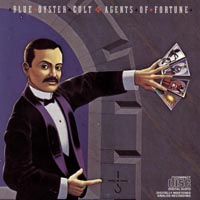
Good morning music fans! Are you ready for something controversial today? We’re gonna dive into the depth of beloved 70s rock band Blue Oyster Cult, and let me just tell you now: it might not be pretty. Don't worry though, we won't say anything too harsh – this is all in good fun. Y'all ready to take a look behind what made Blue Oyster Cult so successful? Hold onto your seats folks, because it's going to be a ride!
Good morning, music fans! Today, we're about to embark on a journey through the history and success of one of the most beloved rock bands of the 70s, Blue Oyster Cult. But hold on tight, because we'll be taking a closer look at the controversial aspects of their music and public image. Don't worry, though. This is all in good fun, and we're here to appreciate the band's contribution to music. So sit back, relax, and let's go!
Blue Oyster Cult rose to fame in the 70s with their hit songs such as Don't Fear The Reaper and Godzilla. However, their music also involved some dark and controversial themes. One of these includes their association with the occult. Some of their song lyrics referenced ancient gods, mythology, and Satanism. The band members were often seen wearing black cloaks and portraying a mysterious image that added to their occult reputation.
Another reason why Blue Oyster Cult became controversial was due to the accusations of plagiarism. Their famous track, (Don't Fear) The Reaper, was alleged to be heavily influenced by a song called Seasons by the band Mahavishnu Orchestra. Later on, the band paid a settlement to the estate of the late songwriter John Lennon, who claimed that the introduction of Reaper copied his song Across the Universe.
Aside from the controversies, Blue Oyster Cult was also known for their intricate and experimental song structures. Their music style was a mixture of psychedelic rock, heavy metal, and progressive rock. It was said to be ahead of its time and paved the way for future rock bands to explore different soundscapes. Their accomplished musicianship and unique sound inspired artists like Metallica, Pearl Jam, and Soundgarden.
The band's public image was also a subject of criticism. Some critics accused them of being aloof and distant from their fans during their live performances. Lead vocalist Eric Bloom reportedly refused to engage with the audience and rarely spoke during their concerts. This caused division amongst their fan base, with some claiming that this added to their mysterious allure while others found it off-putting.
Despite the controversies surrounding Blue Oyster Cult, there is no denying their contribution to rock music. They broke boundaries with their experimental sound, and their occult image added to their mystique. The band's influence can still be heard in music today, and they will always be remembered as one of the pioneers of the rock genre. So, good morning, music fans. Thank you for taking this journey with me today and let's continue to appreciate the artistry behind Blue Oyster Cult's iconic music.