When it comes to contemporary classical composers, you may not be familiar with many names but Michael Nyman surely stands out. With a career spanning over five decades, this award-winning British composer is perhaps best known for his minimalist style featuring recognizable melodic and rhythmic elements. But while Nyman's music is renowned among fans and critics alike, there are also aspects of the artist's creative output that often come under fire. In this blog post, we will look at both the best and worst of Michael Nyman’s compositions – from the acclaimed to the widely criticized – so buckle up!
Contemporary classical music can be a challenging terrain to navigate. There are many composers you may not be familiar with, but Michael Nyman is definitely one of the most recognizable names out there. He has been composing music for over five decades now, and his unique minimalist style has garnered him a lot of critical acclaim. However, Nyman's work doesn't come without its share of controversies. In this blog post, we will examine some of his best and worst compositions, so come along on this journey of discovery and critique.
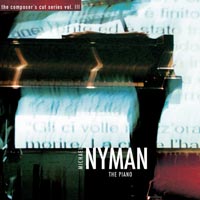
Let's start with the best of Michael Nyman's works. One of Nyman's most famous compositions is the soundtrack for the film The Piano. The score won Nyman numerous awards, including a BAFTA and a Golden Globe. The soundtrack's hauntingly beautiful compositions and intricate piano pieces perfectly complement the film's themes of love, loss, and desire. Another notable piece by Nyman is Time Lapse. This compelling composition features a recurring piano motif, synths, and strings, all combined to create a sense of urgency and tension. It's a wonderful marriage between minimalist sensibilities and electronic music.
Now, let's turn to some of Nyman's weakest works. One composition that has drawn a lot of criticism from both fans and critics is The Michael Nyman Songbook. While the idea was a sound one, the execution was not. The album features renditions of Nyman's most popular pieces, but with new lyrics added to them. Unfortunately, the lyrics tend to be either clunky or pretentious, which undermines the original compositions. Another subpar piece by Nyman is String Quartet No. 5, which lacks any memorable hooks or themes. It's an uneventful piece of music that sounds like it was composed in a hurry, unlike Nyman’s masterworks.
One of Nyman's most experimental pieces is Facing Goya, which combined elements of opera, electronic music, and spoken word. The composition centers around the story of a geneticist's attempt to replicate the face of the famous painter Francisco Goya. The music features a blend of different styles, ranging from choral classical music to electronic bleeps and bloops. In some ways, it's a good attempt at stretching the boundaries of what contemporary classical music can be. However, the result is ultimately unsatisfying, as the various parts don't coalesce into a cohesive whole.
Despite its controversies, Michael Nyman's compositions have always been lauded for their distinctive minimalist style. Most of Nyman's music is characterized by its repetitive patterns, melodic linearity, and lush harmonies. His music is often reflective, intimate, and introspective. Despite a few missteps throughout his career, Nyman's work has made indelible marks in the contemporary classical music world.
In conclusion, Michael Nyman's music is a mixed bag of compositions that often bewilders and fascinates in equal measure. From his award-winning scores to his experimental pieces, Nyman's music deserves attention, even if it might not be everyone's cup of tea. Ultimately, whether you love or hate his compositions, it's hard not to acknowledge Nyman's mark on contemporary classical music. His minimalist style has undoubtedly influenced many composers and will continue to do so for a long time. Even though he might not be a household name, any serious music listener should give Michael Nyman's music a chance.