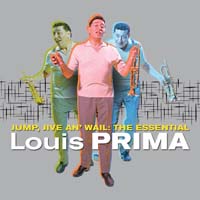
Louis Prima has been a pillar of the music industry for decades, beloved by fans around the world due to his quirky yet infectious rhythms and signature eccentric style. Despite this unwavering adoration from many, some have expressed criticism about certain aspects of Louis' career, particularly his reliance on musical stereotypes and clichés that prevent the songs from reaching their full potential. Still, while it would be too hasty to dismiss any negative comments out of hand, there is much to appreciate in Prima's influence and contribution to music history. Though not without its flaws, Louis Prima offers something unique that keeps listeners invested in his upbeat tunes. Tune in as we explore both sides and discover what makes him such an influential artist today!
Louis Prima, the multi-talented musician and bandleader, has been entertaining audiences for decades. He's known for his quirky personality, infectious rhythms, and signature style. However, despite his massive fan following, some people have criticized Prima for relying on musical stereotypes that prevent his songs from reaching their full potential. In this blog post, we'll explore both sides of the argument and uncover what makes Louis Prima such a significant artist today.
Louis Prima's music is undoubtedly unique and has a lasting influence in the world of music. His songs are upbeat, catchy, and funky, perfect for a night of dancing. But critics argue that his music often relies on clichés and stereotypes. For example, some of his songs feature African American vernacular, which some people argue is problematic. However, it's essential to understand the context of the time when these songs were produced. In the 1930s and 1940s, segregation was still prevalent in the United States, and Louis Prima was one of the few white musicians who genuinely appreciated African American music. In many ways, he helped break down racial barriers by incorporating African American styles into his music.
Another point of criticism directed towards Prima is his sexism. Songs like Oh Marie and Angelina are fondly remembered by many but have been accused of perpetuating gender stereotypes. Despite this, it's important to take into account context once again. These songs were produced in the 1950s, a time when gender roles were rigidly enforced, and male musicians often sang for female listeners. While we don't condone sexism in any way, it's essential to remember that artists can only create what is expected of them by society.
Looking at Prima's music from a musical perspective, it's undeniable that he's a musical genius. His trumpet playing, singing, and songwriting are exceptional, and his energy on stage is unmatched. Louis Prima's influence can be seen in many artists today, from swing revival bands like The Cherry Poppin' Daddies to pop and rock musicians like David Lee Roth and Elvis Presley. Prima's vocals, showmanship, and brassy jazz sound have inspired generations of musicians and will continue to do so for a long time.
In conclusion, Louis Prima carved a unique place for himself in music history. Like any great artist, he had his flaws, but his genius cannot be denied. His contributions to music are unmatched, and his influence can still be seen in popular music today. Despite criticisms levelled against him for perpetuating stereotypes, it's important to understand the context and embrace the positive aspects of his legacy. We should honor him for what he brought to music and celebrate the joy that his music still brings to audiences worldwide.