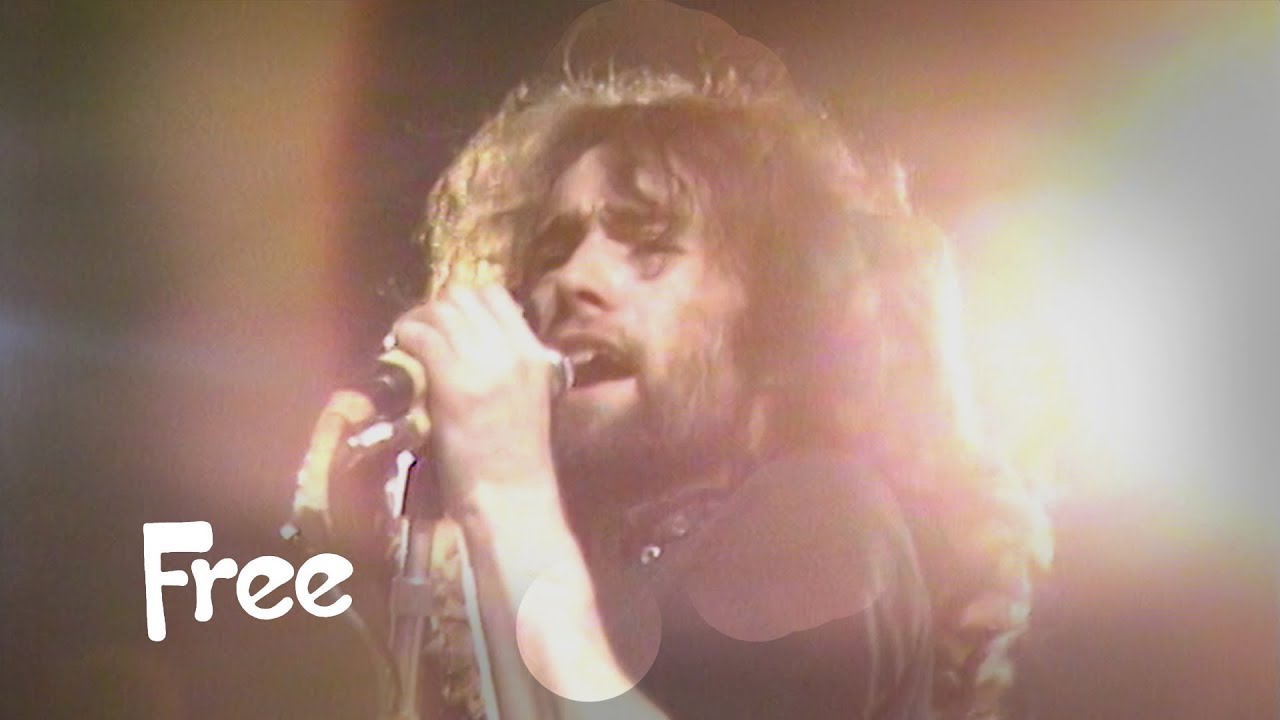
Free was an English rock band that enjoyed much success throughout their career, releasing several albums and singles in the early 1970s and becoming one of the most popular British rock bands of the era. However, while Free may be revered for some of their music and style, there have been a fair share of critics that feel the group didn't manage to live up to their potential or even had a significant impact on rock music from then on. Yet despite all these detractors at least part of Free's legacy is still intact as they were among the pioneers who invented hard-rocking blues termed as 'riff-rock.' In this blog post, we will look into both aspects: what made them so legendary regardless if its more than just hype? And equally important - why are there those who believe Free was overrated?
The 1970s was the golden age of rock music, with many iconic rock bands emerging from Britain and America. One of the bands that made their mark during this era was Free. This rock band was active in the early 1970s and was known for their hard-rocking blues style. While they enjoyed immense success during their career, there have been critics who believe that Free did not live up to their potential. What exactly is their legacy, and why are there varying opinions on their music? In this blog post, we will look into both aspects and try to understand what made Free such an important band in rock music history.
Free was formed in London in 1968 and consisted of Paul Rodgers (vocals), Paul Kossoff (guitar), Andy Fraser (bass), and Simon Kirke (drums). Their style was heavily influenced by the blues, and they were part of a wave of British bands that were experimenting with blues-based rock music. Their debut album, ‘Tons of Sobs,' was released in 1969 and was well-received by fans and critics alike. The album showcased Free's raw and energetic style, with songs like ‘I'm a Mover’ and ‘Over the Green Hills Part 1’ becoming instant classics.
Their next album, ‘Free,’ released in 1969, was a significant step forward for the band. It contained the hit song ‘All Right Now,’ which received widespread airplay and became a huge commercial success. ‘All Right Now’ is one of the most recognizable rock songs of all time and is still played on classic rock stations around the world. The song's success made Free a household name and propelled them to even greater heights.
Free's third album, ‘Fire and Water,’ released in 1970, was another critical and commercial success for the band. It contained the hit song ‘Fire and Water,’ which showcased the band's bluesy guitar riffs and Paul Rodgers' powerful vocals. The album cemented their place in the pantheon of rock music and solidified their status as one of the most important British bands of the era.
Despite their success, there have been critics who believe that Free did not live up to their potential. Some argue that their music was derivative and lacked the experimentation of other bands of the era. Others claim that their style was too formulaic and repetitive. Critics also point out that Free's career was relatively short-lived, with the band disbanding in 1973 due to tensions within the group.
Despite the varying opinions on Free's music, one cannot deny their impact on rock music. They were pioneers of the riff-rock style and influenced countless bands that came after them. Their songs are still played on the radio today and continue to inspire new generations of rock musicians. While they may not have been the most experimental or innovative of bands, Free's energy and passion for their music were undeniable. Their legacy continues to endure and is a testament to their talent and impact on the world of rock music.