Ennio Morricone is an Italian composer, conductor, orchestrator, and trumpet player who has carved out a niche for himself as one of the greatest composers of our time. From his humble beginnings in Rome, Italy to the pinnacle of his career, Morricone has created a vast musical legacy that transcends borders and cultures. In this blog post, we will take a deep dive into the life and musical career of Ennio Morricone, exploring his beginnings, most famous albums, most famous songs, his musical style, and influences.
Ennio Morricone was born on November 10, 1928, in Rome, Italy. His father was a trumpet player, which exposed him to music at a young age. Morricone's early career involved composing music for radio and television programs before he began working in the film industry. His big break came in 1964 when director Sergio Leone hired him to compose the music for the movie A Fistful of Dollars. This marked the beginning of a long and fruitful collaboration between Morricone and Leone, whereby Morricone went on to produce the scores for other classics such as For a Few Dollars More, The Good, the Bad and the Ugly, Once Upon a Time in the West, among others.
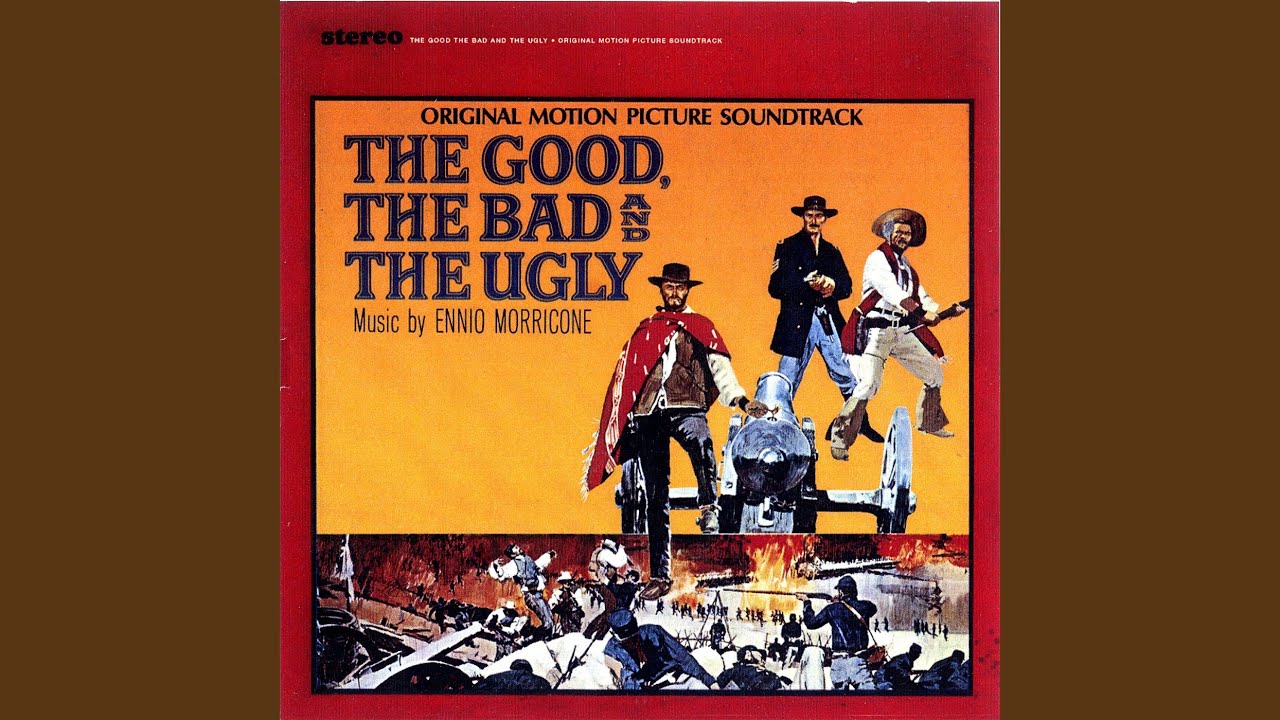
Morricone released several albums throughout his career, but his most famous album is The Good, the Bad and the Ugly soundtrack, which was released in 1966. The album featured the unforgettable main theme with its iconic reow reow sound effect, and other tracks such as The Ecstasy of Gold and The Trio. Morricone also released albums such as Sacco and Vanzetti, The Mission, and Cinema Paradiso, which demonstrated his versatility as a composer in different musical genres.
Morricone was a prolific composer who produced countless songs throughout his career, but some of his most famous include The Man with the Harmonica, Gabriel's Oboe, Chi Mai, and Love Theme from Cinema Paradiso. He also composed music for other film genres, including horror movies, dramas, and comedies. One of his most notable compositions in the horror genre was the score for The Exorcist II: The Heretic. Morricone's music is characterized by his ability to create moods and themes that enhance the visual narrative of a movie, without it overshadowing the film.
Morricone's musical style can be described as an eclectic mix of classical, jazz, rock, pop, and avant-garde music. He was heavily influenced by classical composers such as Stravinsky, Debussy, and Ravel, but his music also conveyed a sense of experimentation, as he developed his style for each project. This was evident in his use of unconventional instruments, such as the jew's harp in The Good, the Bad and the Ugly soundtrack, and his minimalist approach to some scores.
His musical career was heavily influenced by the social and political climate of his time. He often used his music to reveal his political beliefs, which are rooted in social justice, as can be seen in his compositions for Sacco and Vanzetti, which was a tribute to two anarchists who were executed in the United States in the 1920s. His compositions resonated with audiences worldwide, due to their universal themes, and this contributed to making him the most famous Italian composer of all time.
Morricone's contribution to the music industry and film industry is immeasurable. He has left an indelible mark on the world, with his music being celebrated across generations. His passing on July 6, 2020, was a great loss to the music community, but his musical legacy will live on forever. Ennio Morricone is a testament to the power of music, and how it can cross borders, defy stereotypes, and touch the hearts of millions of people around the world.
Morricone's contribution to the music industry and film industry is immeasurable. He has left an indelible mark on the world, with his music being celebrated across generations. His passing on July 6, 2020, was a great loss to the music community, but his musical legacy will live on forever. Ennio Morricone is a testament to the power of music, and how it can cross borders, defy stereotypes, and touch the hearts of millions of people around the world.