Emir Kusturica is a name widely recognized by the world's music enthusiasts. Born in Sarajevo, Yugoslavia - now Bosnia and Herzegovina - Kusturica pursued his passion for music and film and went on to become one of the most notable figures in the industry. Starting from his humble beginnings to the height of his career, this article will take you through the life and work of Emir Kusturica.
Kusturica's love for music began during his early years growing up in Bosnia and Herzegovina. He learned to play the guitar and by the time he was 16, he already had a band named Zastava which played at local events. During college, he was associated with Mado Robin, a rock group that became popular in Yugoslavia. Kusturica's interest in music continued, and he even composed music in his spare time while directing films.
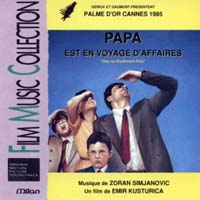
In 1993, Kusturica formed the No Smoking Orchestra with the violinist Dejan Sparavalo, other members of Zastava, and some other local musicians. They were a unique sound that drew from both traditional and modern genres. A blend of Roma, Balkan rock, and punk rock music, their sound was something that had never been heard before. Their first album, named Papa's Film, was released in 1997. Following the release of their debut album, the band went on to release more hit albums such as Unza Unza Time that gained them international recognition.
Kusturica's music is heavily influenced by traditional Balkan folk music and Gypsy music. He blends these styles with modern electronic instruments into an eclectic sound that has won over fans worldwide. The music is dynamic, lively, and has a tempo that will get you up and dancing. The lyrics are humorous and philosophical, focusing on themes related to life, culture, and politics.
Kusturica's most famous compositions include Ederlezi, which appeared on the soundtrack of his film Dom za vesanje (1988), and Duj Sandale from his 1995 film Underground. Both songs were instant classics that gained him global recognition. His other popular songs include Bubamara, Was Romeo Really a Jerk?, and Devil in the Business Class. All of these songs portray his unique sound that draws from the rich musical background of the Balkans.
Conclusion: Emir Kusturica remains one of the most significant figures in the world of music and film. With his unique compositions that blend traditional Balkan music with modern instruments and electronic beats, he has created a sound that has won over fans worldwide. From his early days in Yugoslavia to the height of his career, he has maintained his unwavering passion for music and has continuously pushed the boundaries of the industry. His music is an invitation to a world of lively rhythms and thought-provoking lyrics, and it is no surprise that it continues to be celebrated today.