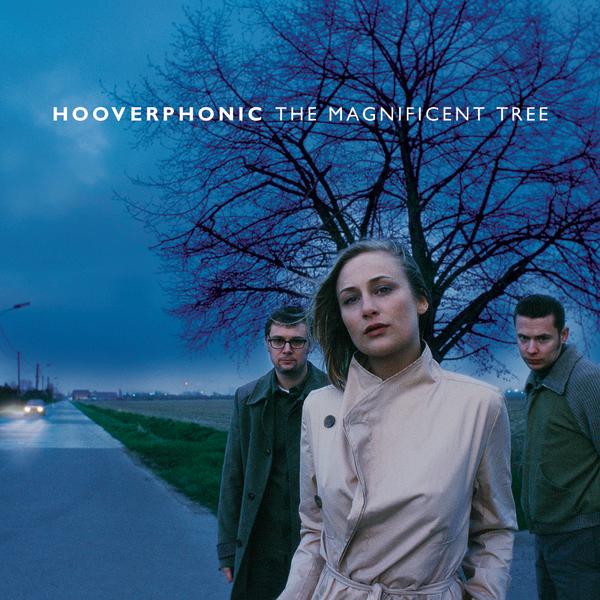
Hooverphonic has been around for decades, and is a beloved band of both loyal fans and new listeners alike. Their unique soundscapes have provided us with nostalgic hits like Gabriele to their most recent single Looking For Stars. As great as they are musically, there can still be some criticisms that arise depending on the perspective of who's listening. Nevertheless, it's important to consider the many nuances that Hooverphonic brings to their music - from cleverly layered guitars to boppy beats with memorable melodies. This blog post will discuss how Hooverphonic fuses together influences from different genres into something truly special while also pointing out areas where they could potentially improve upon furthering their craft.
When it comes to unique music, few bands can match the skillful fusion of genres and soundscapes that Hooverphonic has produced over the years. From their early days with lead vocalist Geike Arnaert to the present with singer Luka Cruysberghs, the band's longevity and evolution have earned them a devoted fanbase. Even with such a creative track record, some criticisms may still arise depending on one's listening perspective. Nevertheless, we'll explore the many nuances that Hooverphonic brings to their music, from their clever guitar layering to boppy beats that feature memorable melodies. In this blog post, we'll delve further into their songs, highlighting areas where they excel and where they could potentially improve.
One of the things that make Hooverphonic's music stand out is their diverse approach to songwriting, incorporating elements from various genres. Their 2000 hit, Mad About You, is a prime example of this approach, combining jazz, trip-hop, and rock elements, with horns that evoke a sense of noir. The band's incorporation of lush orchestration contributed to the cinematic quality of their music, making them stand out from their contemporaries. Their soundscapes were also elevated by their inventive use of synths, props, and other production devices, giving each song its own flavor.
Hooverphonic's layered guitar work is also a hallmark of their music. The guitar riffs on Out of Sight added layers to the dreamy melody and playfully intermingled with the catchy flute motifs. The band's bass lines are also worth noting, with their driving rhythms giving shape and form to their songs, like on the stomping track No More Sweet Music.
Another strength of Hooverphonic's music is their ability to craft memorable melodies that stick with the listener. Songs like The Night Before, 2Wicky, and Jackie Cane have embedded themselves into the consciousness of fans old and new. Their song Sometimes features Luka Cruysberghs's soulful vocals gliding effortlessly over a staccato beat and piano chords. The band's ear for pop sensibilities has always been evident in their ability to make their music accessible and catchy to a wider audience.
In terms of the band's potential for improvement, they might explore and utilize diverse instrumentation more fully. Unfinished Sympathy, by Massive Attack, showed how strings could add to trip-hop's atmosphere, while Portishead's use of horns and jazz samples added to the moodiness of tracks like All Mine. Additionally, Hooverphonic could also experiment more with song structure and lyrics, though the band has shown they can excel in both areas, as demonstrated on Anger Never Dies and You Hurt Me.
By joyfully blending together different genres and sounds, Hooverphonic has created a winning combination that resonates with so many fans. From their layered guitar work to their infectious melodies, the band has crafted a sound that's all their own. While there's always room for improvement, fans can enjoy the band's many strengths and revel in their distinctiveness. Whether you're a devoted fan or a newcomer, it's always worth it to explore Hooverphonic's music and discover the nuances that make them such a beloved band.