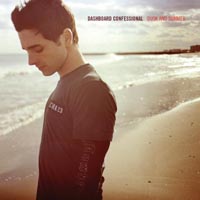
Dashboard Confessional is a pioneer of emo pop rock music, renowned for heart-rending lyrics and intimate acoustic performances that have the power to move and inspire fans. While every musician’s journey is unique, the story of Dashboard Confessional is especially intriguing as it reveals how a young man’s pain and passion fused together to create a genre-defining sound that spoke to millions. In this blog post, we’ll take a deep dive into the musical biography of Dashboard Confessional, exploring his early beginnings, his most famous albums and songs, as well as his musical style and influences.
Raised in Boca Raton, Florida, Christopher Carrabba, better known as Dashboard Confessional, started his musical career in the mid-90s. He was the lead singer and guitarist of the alternative rock band Further Seems Forever before leaving to pursue a solo career in 2000. Through extensive touring and open mic nights, Carrabba honed his sound, which was characterized by heartfelt lyrics and emotional performances that spoke to personal struggles. His debut album, The Swiss Army Romance (2000), immediately connected with indie and punk audiences who appreciated the raw authenticity of the music.
Dashboard Confessional’s sophomore effort, The Places You Have Come to Fear the Most (2001), marked a turning point in his career. The album showcased Carrabba’s musical growth and hooked listeners with anthemic guitar riffs and poignant lyrics that delved into issues of love and rejection. Tracks like Screaming Infidelities and Again I Go Unnoticed became instant fan favorites and helped to propel the album to gold status.
Dashboard Confessional’s third album, A Mark, a Mission, a Brand, a Scar (2003), cemented his status as a leading voice in the emo rock genre. The album was a commercial and critical success, debuting at number two on the Billboard 200 and featuring hits like Hands Down, Rapid Hope Loss, and As Lovers Go. The album showcased Carrabba’s maturation as a songwriter and musician, revealing more sophisticated arrangements and a willingness to experiment with different musical styles.
Dashboard Confessional’s fourth album, Dusk and Summer (2006), was a departure from his previous work, featuring a full-fledged rock band sound that incorporated elements of power pop, alternative rock, and even shades of country. The album received mixed reviews but was nevertheless embraced by fans who appreciated Carrabba’s willingness to step outside of his comfort zone. Hits like Don’t Wait and Stolen showcased the softer side of the album, while Rooftops and Invitations and So Long, So Long displayed a harder edge.
Dashboard Confessional’s musical style is rooted in a blend of emo and indie rock with clear folk and punk influences. His heartfelt and confessional lyrics often touch on themes of love, heartbreak, and loss, while his stripped-down acoustic performances draw listeners in with their raw emotion and honesty. Dashboard Confessional’s early influences include singer-songwriters like Paul Simon, James Taylor, and Bruce Springsteen, as well as punk and post-punk bands like Jawbreaker, Pixies, and Rites of Spring.
Dashboard Confessional is a singer-songwriter who has left an indelible mark on the music industry with his unique blend of emo rock and indie pop. His musical biography is a testament to the power of personal expression and artistic integrity, as Carrabba has always stayed true to his vision regardless of commercial pressures. From his early days as a struggling musician to his rise to fame and beyond, Dashboard Confessional has remained a beloved and influential artist whose music continues to inspire fans around the world.