Who hasn't danced to the iconic beat of New Order? Formed in Manchester in 1980, New Order is an English rock band that has carved its own distinctive sound, seamlessly blending elements of post-punk, electronic dance music, and new wave. With their innovative use of synthesizers, programming, and electronic drums, they have created a unique and influential sound that continues to inspire artists today. In this article, we'll take a look at the musical biography of New Order, from their early beginnings to their most famous albums and songs.
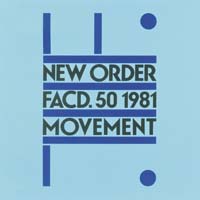
New Order was formed in 1980 by Bernard Sumner (vocals, guitar, keyboards), Peter Hook (bass), and Stephen Morris (drums, keyboards), after the death of Ian Curtis, the former Joy Division singer. With new member Gillian Gilbert (keyboards, guitar) joining in, they started to explore new musical territory, incorporating synthesizers and drum machines to create a more danceable sound. Their debut album, Movement (1981), reflected their transition from post-punk to electronic dance music, with songs like Ceremony, Truth, and Dreams Never End. However, it was their sophomore album, Power, Corruption & Lies (1983), that introduced them to a wider audience and cemented their place in the music industry. Featuring the hit single, Blue Monday, their signature song, the album showcased their evolving musical style, characterized by driving beats, catchy melodies, and melancholic lyrics.
After Power, Corruption & Lies, New Order continued to produce albums that combined rock, dance, and synth-pop elements, such as Low-Life (1985), Brotherhood (1986), and Technique (1989). These albums showcased some of their most recognizable songs, like Bizarre Love Triangle, The Perfect Kiss, and Regret, and solidified their reputation as innovative songwriters, who pushed the boundaries of music genres. They also collaborated with other avant-garde artists, like Arthur Baker, Quincy Jones, and John Robie, and experimented with different sounds and instruments, such as the harmonica, the bass guitar, and the sitar.
In the 1990s, New Order faced some challenges, such as members leaving the band, creative differences, and drug addiction. However, they managed to regroup and release successful albums, like Republic (1993), and get involved in side projects, like Electronic and The Other Two. They also continued to tour extensively, performing in front of large crowds and earning critical acclaim. In 2001, they released Get Ready, their first album in eight years, which marked a return to their rock roots and a departure from their electronic sound.
New Order has had an enduring impact on the music scene, inspiring countless artists and shaping genres like dance music, synth-pop, and new wave. Their innovative use of technology, combined with their emotion-driven lyrics and catchy hooks, has forged a unique and timeless sound that continues to sway audiences today. Whether you're a die-hard fan or a casual listener, it's hard not to dance to the beat of New Order. From Blue Monday to Regret, their music captures a range of human experiences, from loss and longing to hope and happiness. So, put on your dancing shoes and let the music of New Order take you on a journey of sound and emotion.