Cradle of Filth is one of the most influential and controversial bands to emerge from the British metal scene. Formed in 1991, the band blended elements of black metal and gothic rock to create a unique and distinct sound. Over the years, Cradle of Filth has released a string of classic albums that continue to captivate and inspire music lovers around the world. In this blog post, we will take a closer look at the musical biography of this seminal band, tracing their beginnings, exploring their most famous albums and songs, and delving into their musical style and influences.
Cradle of Filth was formed in Suffolk, England, by vocalist Dani Filth. The band's early years were marked by numerous line-up changes, with Filth being the only consistent member. However, the band's sound remained constant, characterized by fast, frenzied guitar riffs, eerie keyboards, and Filth's harsh vocal style. Their debut album, The Principle of Evil Made Flesh, released in 1994, highlighted their distinctive sound and established Cradle of Filth as a force to be reckoned with in the metal world.
Some of Cradle of Filth's most famous albums include Dusk and Her Embrace (1996), Cruelty and the Beast (1998), and Midian (2000). These albums showcase the band's ability to create grandiose, atmospheric soundscapes that draw influence from classical music, folklore, and horror literature. Dusk and Her Embrace, in particular, is regarded as a classic album, featuring intricate guitar work and haunting piano melodies.
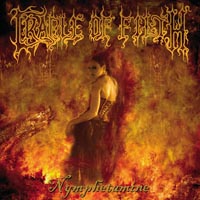
Cradle of Filth's most famous songs are often characterized by their dark, Gothic themes and classical influences. Nymphetamine (Fix) from the album Nymphetamine (2004) is a standout track, featuring a haunting vocal duet with Liv Kristine that perfectly captures the band's gothic aesthetic. Another notable song is Her Ghost in the Fog from the album Midian, which showcases the band's penchant for epic, cinematic soundscapes.
The band's musical style draws inspiration from a wide variety of sources. Dani Filth has cited bands like Bathory, Slayer, and Venom as early influences, while the band's use of symphonic and choral elements draws from classical music. Cradle of Filth also incorporates elements of gothic rock, punk, and even electronic music into their sound, making them difficult to pigeonhole into any one genre.
Conclusion: In conclusion, Cradle of Filth's musical biography is a testament to their influence and importance in the metal world. From their early days as a fledgling band to their legendary status as one of the most innovative bands in metal, Cradle of Filth has consistently pushed the boundaries of what is possible in heavy music. Their unique blend of black metal, gothic rock, and classical music has inspired countless bands over the years, and their music continues to captivate listeners with its dark, evocative soundscapes.