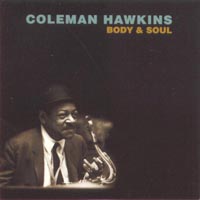
If you know anything about jazz music, it's that Coleman Hawkins was a titan of the genre. His saxophone work revolutionized how people approached improvisation and composition in the early to mid-1900s. Yet, as renowned as he was by his admirers, there were plenty who had criticisms for his sometimes eccentric approach to playing - critiques which stuck with him throughout his career! Nevertheless, here we are today remembering Hawkins fondly for his immense talent and innovation. So how exactly did such an influential figure manage to both inspire awe amongst generations of jazz musicians while simultaneously inciting some rather humorous - or hateful - reactions from some critics? Read on to learn something funny about Coleman Hawkins and truly appreciate what made him one of the greatest voices (or honks) in jazz history.
In the world of jazz music, Coleman Hawkins was a giant among men. His saxophone talents and innovative approach to playing the instrument were unparalleled during his time, earning him a place in the history books as one of the genre's most influential figures. But as revered an artist as he was, Hawkins was not without his fair share of critics, some of whom found his style to be eccentric and even downright funny. So how did this titan of jazz manage to elicit such polarizing reactions? Let's explore the ups and downs of Coleman Hawkins's legacy.
Born in Missouri in 1904, Coleman Hawkins began playing the piano as a child before switching to the tenor saxophone in his teenage years. He quickly established himself as a jazz prodigy, earning gigs with some of the biggest names in the business while still in his 20s. His playing style was characterized by a richly expressive, almost vocal quality, with long, flowing lines that seemed to tell a story. But while many admired his approach, some critics found it too out there, accusing him of overplaying and exaggerating his notes.
One famous instance of this came during a recording session in the 1940s. Hawkins was in the studio recording a ballad, and the producer stopped the take, saying that he had heard something funny in Hawkins's playing. The other musicians started laughing, and Hawkins himself started getting visibly upset. It wasn't until someone pointed out that a fly had landed on his saxophone reed, creating a squeaky sound, that everyone realized the true source of the funny noise. Hawkins was so mortified by the incident that he refused to record the song again, even though it was one of his most popular compositions.
Despite moments like this, however, Hawkins remained a figure of great respect in the jazz world. He continued to perform and record throughout his career, collaborating with other legends like Duke Ellington and Benny Goodman. He also influenced countless younger musicians, including Charlie Parker and John Coltrane, who both cited Hawkins as a major inspiration. His legacy lives on to this day, with many modern saxophonists still drawing inspiration from his unique playing style.
One of the keys to Hawkins's enduring appeal was his ability to fuse tradition with innovation. He was firmly rooted in the blues and swing traditions of early jazz, but he also incorporated elements of bebop and modernism into his playing as those styles emerged. This made his music feel both timeless and contemporary, appealing to fans across generations. It also made him a controversial figure at times, as jazz purists accused him of diluting the true spirit of the genre. But for most listeners, Hawkins's ability to shape and adapt to changing musical styles was one of his greatest strengths.
Coleman Hawkins is a legendary figure in the world of jazz music, thanks in large part to his innovative approach to the saxophone and his enduring influence on the genre. While he may have faced some criticism and ridicule from detractors during his career, his immense talent and musical vision won out in the end. Hawkins's style was unique and sometimes unpredictable, but that is exactly what made him such a trailblazer. Whether you are a long-time fan of jazz or simply love great music, there is something to be learned and appreciated from Coleman Hawkins's legacy.