The Game has been a controversial figure in the music industry, with his brash lyrics and over-the-top persona making him both revered and reviled in equal measure. However, there is no denying that he has created some of the most memorable hip hop tracks to come out of the West Coast — bangers like “Hate It or Love It” continue to push boundaries while still appealing to a mass audience. In this post, we'll be taking an honest look at The Game's impact on the genre, weighing up both its good and bad elements as we explore what it takes for an artist like The Game to earn their respect in rap's tightknit circles.
The Game, one of the most controversial figures in the music industry, has made a name for himself with his unique persona and brash lyrics. He's a West Coast legend who has created some of the most memorable hip hop tracks in the genre. But, with the good comes the bad. In this post, we'll be taking an honest look at The Game's impact on the hip hop scene, weighing up both its good and bad elements. We'll explore what it takes for an artist like The Game to earn respect in rap’s tight-knit circles.
Firstly, let's start with the good. The Game's music career spans over a decade, and in that time, he has consistently produced tracks that appeal to a mass audience. One of his most successful tracks, “Hate It or Love It is an absolute classic. The lyrics portray The Game's life journey and struggles, while the beat and melody pull listeners in. It's hard not to bob your head and jam out when this song comes on. Not to mention, the remix with Mary J. Blige is equally fire.
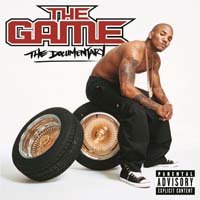
The Game’s contribution to the West Coast hip hop scene cannot be ignored. His debut album “The Documentary” put him on the map and solidified his place in hip hop history. It’s been over 15 years since its release, and tracks like “How We Do” and “Westside Story” continue to be cultural touchstones. The Game's love for his hometown of Compton and the West Coast in general is evident in his music, and he continues to thrive as a voice for his community.
On the other hand, The Game's personal life has been surrounded by controversy. Many have criticized him for his involvement in various beefs with other rappers. From taking shots at Jay Z and 50 Cent, to his feud with Meek Mill, The Game has been involved in numerous publicized beefs throughout his career. Some people argue that this type of behavior is unnecessary and detracts from the music. Others argue that it’s all part of the game (pun intended) and makes for great entertainment.
The Game has also been accused of condoning misogyny and promoting toxic masculinity in his lyrics. Tracks like “Wouldn’t Get Far” and “My Bitch” have received backlash for objectifying and disrespecting women. While The Game is not alone in this type of behavior within the genre, it's important to acknowledge that this type of messaging can have real-life consequences and contributes to the negative perceptions of hip hop.
In conclusion, The Game has undeniably made a lasting impact on the hip hop scene. He continues to produce tracks that appeal to a mass audience and maintain cultural relevance. However, his involvement in various publicized beefs and lyrics promoting toxic masculinity cannot be ignored. It's important to consider both the good and the bad elements of The Game's career when evaluating his impact on the genre. At the end of the day, respect in rap’s tight-knit circles is earned based on a combination of talent, authenticity, and cultural contributions. The Game's legacy will be determined by how he’s viewed against those metrics over time.