Stephen Ellison, better known by his stage name Flying Lotus, is one of the most acclaimed and diverse soundshapers in modern music. An experimental bass producer-DJ like no other, he has pushed beyond genres to shape a world of sound mixed from jazz, hip hop and electronica. From cutting edge albums like Los Angeles (2008), Cosmogramma (2010) and Until The Quiet Comes (2012), to collaborations with Kendrick Lamar, Thundercat and more recently Anderson .Paak’s Ventura album, its hard not to admire the prolific work coming out from the Los Angeles based artist's Brainfeeder label. However, despite all this love we have for him there are still quite a few critiques that need be discussed surrounding much of Flying Lotuses discography: let’s dive into both sides!
If you're a music listener who loves to explore different sounds and genres, then you've undoubtedly heard of Flying Lotus. Stephen Ellison, better known by his stage name, has been pushing the boundaries of music for over a decade. As an experimental bass producer-DJ, he is admired for his ability to mix jazz, hip hop, and electronica to create a world of sound that is uniquely his own. However, despite the love for his music, there are still criticisms that need to be discussed. In this blog post, we'll dive into both sides and examine the prolific work of Flying Lotus.
Flying Lotus has an impressive discography that spans over a decade. His early releases, such as 1983 (2006) and Los Angeles (2008), were received with critical acclaim. These albums showcased his ability to mix jazz, hip hop, and electronic sounds, resulting in a unique and refreshing listening experience. However, not everyone is a fan of his experimental style. Some listeners find his music to be too disjointed and difficult to follow. They argue that he sacrifices melody and structure in favor of experimentation, making his music inaccessible to a mainstream audience.
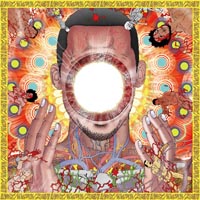
Nonetheless, Flying Lotus has continued to push boundaries and experiment with different sounds. His album Cosmogramma (2010) was a sonic journey that incorporated live instrumentation with electronic beats. The album featured collaborations with jazz greats like Thundercat and Ravi Coltrane, and it received widespread critical acclaim. However, his more recent work, like You're Dead! (2014) and Flamagra (2019), have been met with mixed reviews. While some listeners praise his continued experimentation, others feel that his music has become too convoluted and lacking in cohesion.
Despite these criticisms, it's hard to deny the impact that Flying Lotus has had on modern music. His work has inspired a generation of producers and musicians to push beyond the confines of genre and explore new sounds. Collaborations with artists like Kendrick Lamar, Thundercat, and Anderson .Paak have only solidified his position as one of the most influential producers of our time. In fact, his influence can be heard in the music of many contemporary artists, who have adopted his experimental approach to sound.
In conclusion, Flying Lotus is a true pioneer in the world of experimental music. His ability to mix jazz, hip hop, and electronic sounds has resulted in a sound that is uniquely his own. While some listeners may find his music hard to follow, it's clear that he has had a significant impact on modern music. It's hard not to admire his prolific work, and his collaborations with other artists have only solidified his status as a true innovator. Whether you're a fan of his experimental sound or not, there's no denying Flying Lotus's influence on modern music.