What’s in a name? Well, if the name is Bad Company – it’s a whole lot of confusion! As one of the most celebrated bands from the 1970s and beyond, it's no wonder that some might mistake them for being far raunchier than they actually are. From a lyrical standpoint, their sound is generally rooted in blues rock with an overlying commercial appeal—but we can all agree that behind these refined melodies lays something much more scandalous. So buckle up and join us on our journey as we take you through how Bad Company earned its notoriety amongst music lovers across decades!
Bad Company - the name in itself sounds scandalous, wild, and downright filthy. But are they really as bad as their name suggests? With their roots sunk deep in blues rock, Bad Company has always been a band that walks the line between refined melodies and edgy content. Their name, however, has overshadowed their musical prowess and often led to some misunderstanding. In this post, we'll take a deep dive into the history of Bad Company and uncover the true meaning behind that name.
The origins of Bad Company date back to the early 1970s when the band Free broke up. Not long after, lead singer Paul Rodgers and drummer Simon Kirke teamed up with former Mott the Hoople guitarist Mick Ralphs and bassist Boz Burrell to form a new band. The name Bad Company came about after the band members were joking around about the state of affairs in the world at the time and how everyone seemed to be taking advantage of each other. It was then that someone sarcastically suggested they call themselves Bad Company, and the name just stuck.
Despite the seemingly lighthearted origins of their name, Bad Company went on to become known for the darker themes within their lyrics and the rough-and-tumble image they projected on stage. Songs like Shooting Star, Bad Company, and Burnin' Sky had a raw energy and rebellious spirit that resonated with fans across the world. There was just something about the name Bad Company that fit their style so perfectly, and it became a symbol of the band's music and message.
However, as the band's career progressed, their name became more and more of a double-edged sword. On one hand, it helped them stand out in the crowded rock scene of the 1970s. On the other hand, it often overshadowed their talent and made people assume the worst of them. Some radio stations refused to play their music because of their name, and they received backlash from conservative groups who believed their name promoted promiscuity and rebellion.
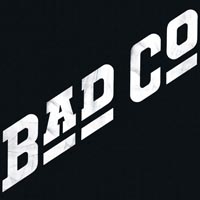
Despite the controversies surrounding their name, Bad Company never let it define them. They continued to make music that spoke to their fans and showcased their exceptional talent. From their self-titled debut album to their later hits like Rock 'n' Roll Fantasy and Feel Like Makin' Love, Bad Company proved that they were a force to be reckoned with, regardless of what their name might suggest.
Ultimately, the name Bad Company might be more scandalous than the band itself. While there's no denying that their lyrics and image certainly have an edge to them, it's important to remember that they were more than just a name. Bad Company was a band that pushed the boundaries of rock music and inspired generations of musicians to come. So the next time someone raises an eyebrow at the name, remind them that Bad Company is more than just a name - they're a musical legacy.