Since the days of former Motown Records icons like Diana Ross and Smokey Robinson, we have lived in a world full of both tried-and-true classics and a glut of ever-evolving sounds. On one front stands Rose Royce, an esteemed funk and R&B collective renowned for its polished soul stylings. With numerous gold and platinum albums under their belt and timeless singles Love Don't Live Here Anymore?, Wishing on A Star?, Car Wash, ?and more tucked within their catalogue—Rose Royce's impact on music is unmistakable. But even with these highlights there remains some undeniable flaws in their legacy which must be discussed before due praise can be granted.
For over four decades, Rose Royce has been a staple in the music industry and consistently produced soulful classics that have fueled countless dance floors and karaoke bars. However, while their contributions cannot be disregarded, there are aspects of their legacy that must be examined and critiqued before they receive due praise. In this blog post, we will explore the good, the bad, and the ugly sides of Rose Royce's impact on music, and how they have influenced the ever-evolving sound of funk and R&B.
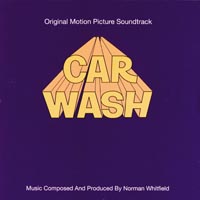
The Good: Undeniably, the most significant contribution from Rose Royce is their hit song, Car Wash. This song was an instant hit and dominated the charts for weeks, solidifying their place in music history. Love Don't Live Here Anymore? and Wishing on A Star?, are also iconic songs that have touched the hearts of millions and are still played on radios worldwide. Rose Royce's smooth melodies, sultry vocals, and infectious beats are enough proof of their positive influence in the world of music.
The Bad: While Rose Royce's albums are polished and well-executed, it's hard to ignore the lack of authentic creativity, as some of their music feels too derivative. In addition, their bubblegum pop sound hasn't held up as well over time, and some of their lyrics reflect the misogynistic attitudes of the time, making their songs problematic in today's era. As listeners, we appreciate the past but also recognize that improvements in some areas are necessary for progress.
The Ugly: One of the most significant flaws in their legacy is their exploitation by record labels. As the critical Motown film shows, artists like Diana Ross were not given ownership of their music, which left them exploited and underpaid despite their success. Much like other Black artists of the time, Rose Royce's success often led to minimum remuneration for the group. Therefore, it's challenging to decouple the group's music from the exploitation and appropriation that artists faced during this period. It's vital to recognize the exploitation that existed within the music industry that prevented Black artists from owning their music.
Rose Royce's legacy in the music industry is undoubtedly a complicated one. While they have produced some of the most memorable and soulful hits in music history, we must also recognize the problematic aspects of their music and the exploitation that they, like other Black artists, have faced. By acknowledging these areas of growth and improvement, we can forge ahead to create a better future for the music industry and ensure that the artist's work will always be remembered with the respect they deserve. So, let's celebrate the good, critique the bad and work together to rid the ugly from the industry.