Biography
Tubeway Army: history and sound
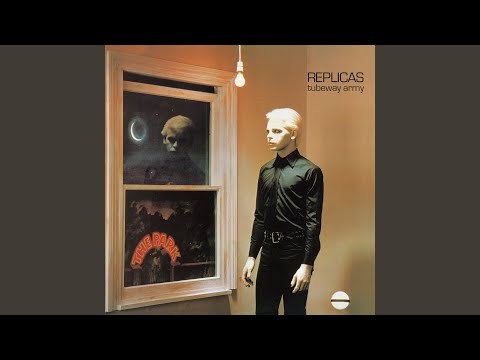
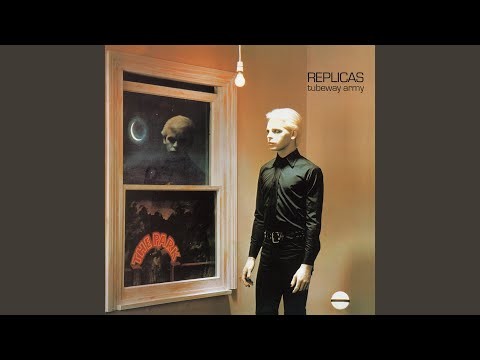
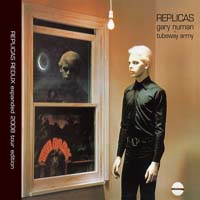
Tubeway Army were a London-based punk rock and new wave band led by lead singer Gary Numan. They were the first band of the post-punk era to have a synthesizer-based number one hit, with their single Are 'Friends' Electric? and its parent album Replicas both topping the UK Album Chart in mid-1979.
Tubeway Army: A Musical Biography of an 80's New Wave Icon
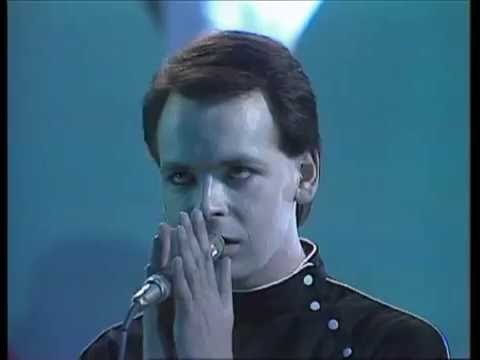
In the world of British New Wave, Tubeway Army stands tall as one of the most notable and influential bands of the 1980s. The band, led by the enigmatic Gary Numan, rose to fame with their unique blend of synth-pop, rock, and futuristic themes. Over the years, they produced a stellar body of work that continues to inspire and influence musicians even today.
In this article, we’ll take a closer look at Tubeway Army’s musical biography, their music genre, and discuss some of the best songs they produced over the years. We’ll also explore some of their most famous concerts and analyze the critical reception their work received.
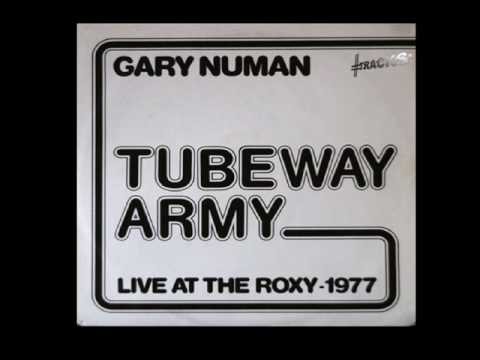
Tubeway Army's musical biography began in London in the late 1970s when Gary Numan formed the band with his uncle, Jess Lidyard, and his friend, Paul Gardiner. After releasing an eponymous debut album in 1978, the band quickly rose to fame with their second album, ‘Replicas’, which featured their hit single, ‘Are Friends Electric?’.
The band's music genre can best be described as a unique blend of punk rock, electronic music, and post-punk. Their music often dealt with science fiction and futuristic themes, as seen in their hit singles such as ‘Me! I Disconnect from You’, ‘Down in the Park’, and ‘Our Friends Electric.’
When discussing Tubeway Army's best songs, it's tough to ignore the impact of ‘Are Friends Electric?’. The single, released in 1979, was a massive commercial success and topped the UK charts for several weeks. Other standout songs include ‘Down in the Park’, a hauntingly beautiful track about a post-apocalyptic world, and ‘Cars’, Numan’s solo work, which is an iconic synth-pop hits of the 80s.
Moving on to their most famous concerts, Tubeway Army performed a considerable number of shows in the UK and worldwide. One of their most legendary performances was their 1980 show at the Hammersmith Odeon in London, a concert that showcased the band's extraordinary musical talents and stage presence.
In terms of critical reception, Tubeway Army's work received critical acclaim for their combination of looping electronic rhythms and Numan's inimitable voice. They were often praised for their innovative brand of music, which was light years ahead of its time.
In conclusion, Tubeway Army remains one of the most iconic and influential bands of the 1980s. Their unique blend of synthesizers, rock, and science fiction themes set them apart from their contemporaries and helped to lay the foundations of modern-day electronic music.
Although they broke up in 1981, their music continues to inspire and influence musicians and fans alike. The band’s legendary concerts, such as their Hammersmith Odeon performance, cemented their reputation as one of the most exciting live acts of their time. Their critical acclaim reflects their lasting influence on the music world and their enduring legacy in the world of New Wave music.
Tubeway Army: A Musical Biography of an 80's New Wave Icon
In the world of British New Wave, Tubeway Army stands tall as one of the most notable and influential bands of the 1980s. The band, led by the enigmatic Gary Numan, rose to fame with their unique blend of synth-pop, rock, and futuristic themes. Over the years, they produced a stellar body of work that continues to inspire and influence musicians even today.
In this article, we’ll take a closer look at Tubeway Army’s musical biography, their music genre, and discuss some of the best songs they produced over the years. We’ll also explore some of their most famous concerts and analyze the critical reception their work received.
Tubeway Army's musical biography began in London in the late 1970s when Gary Numan formed the band with his uncle, Jess Lidyard, and his friend, Paul Gardiner. After releasing an eponymous debut album in 1978, the band quickly rose to fame with their second album, ‘Replicas’, which featured their hit single, ‘Are Friends Electric?’.
The band's music genre can best be described as a unique blend of punk rock, electronic music, and post-punk. Their music often dealt with science fiction and futuristic themes, as seen in their hit singles such as ‘Me! I Disconnect from You’, ‘Down in the Park’, and ‘Our Friends Electric.’
When discussing Tubeway Army's best songs, it's tough to ignore the impact of ‘Are Friends Electric?’. The single, released in 1979, was a massive commercial success and topped the UK charts for several weeks. Other standout songs include ‘Down in the Park’, a hauntingly beautiful track about a post-apocalyptic world, and ‘Cars’, Numan’s solo work, which is an iconic synth-pop hits of the 80s.
Moving on to their most famous concerts, Tubeway Army performed a considerable number of shows in the UK and worldwide. One of their most legendary performances was their 1980 show at the Hammersmith Odeon in London, a concert that showcased the band's extraordinary musical talents and stage presence.
In terms of critical reception, Tubeway Army's work received critical acclaim for their combination of looping electronic rhythms and Numan's inimitable voice. They were often praised for their innovative brand of music, which was light years ahead of its time.
In conclusion, Tubeway Army remains one of the most iconic and influential bands of the 1980s. Their unique blend of synthesizers, rock, and science fiction themes set them apart from their contemporaries and helped to lay the foundations of modern-day electronic music.
Although they broke up in 1981, their music continues to inspire and influence musicians and fans alike. The band’s legendary concerts, such as their Hammersmith Odeon performance, cemented their reputation as one of the most exciting live acts of their time. Their critical acclaim reflects their lasting influence on the music world and their enduring legacy in the world of New Wave music.