Biography
Tristania: history and sound
Tristania is a band from Norway, formed in 1995 by Morten Veland, Einar Moen and Kenneth Ølsson. Tristania's music is usually classified as Symphonic gothic metal with death-doom influences (especially on the early albums), due to its strong tie and legacy within the gothic metal history.
Tristania: A Musical Journey Through Genre-Bending and Dark Lyrical Themes
If you're someone who enjoys music that veers into different genres and deals with lyrical themes that are not everyday fare, Tristania is an artist you'll want to check out. The Norwegian band emerged in the mid-1990s, blending Gothic metal, doom metal, and symphonic metal into a unique sound that has evolved over the years. One of the most distinctive aspects of Tristania is the dueling vocals of Vibeke Stene and Anders Høyvik Hidle, who deliver clean and harsh vocals respectively. In this article, we'll take a musical journey through the career of Tristania, highlighting their best songs, notable concerts, and offering a critical perspective on their output.
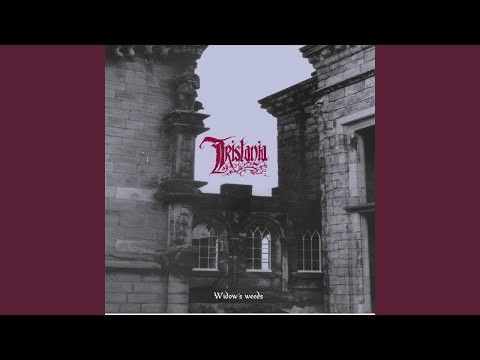
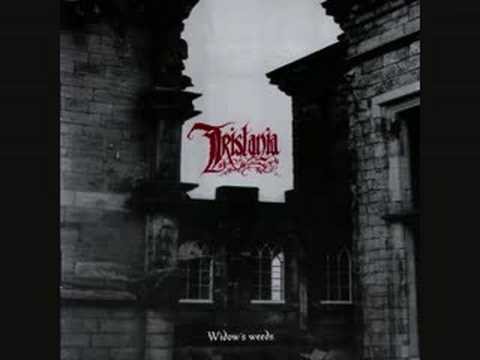
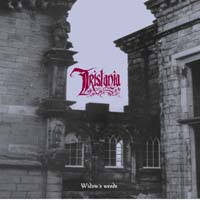
Let's first take a look at the early years of Tristania, starting with their debut album Widow's Weeds (1998). An ambitious and dramatic work, Widow's Weeds melded classical instruments with electric guitars and drums to create an eerie sound that immediately stood out. The atmospheric opener Preludium sets the tone for what follows, as the band immerses you in a world of heartbreak, loss, and despair. One of the standout tracks on the album is Angellore, which features Stene delivering ethereal vocals over a gloomy, metallic soundscape. Another highlight is Evenfall, a haunting ballad that showcases the band's musicality and emotional depth.
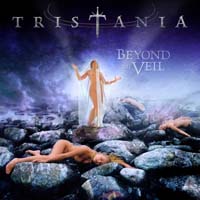
Moving on to Tristania's second album, Beyond the Veil (1999), we find the band honing their sound and expanding their musical palette. The album features a mix of shorter, more direct songs like Wormwood and Opus Relinque, as well as longer, more epic compositions like Beyond the Veil and Heretique. One of the most striking songs on the album is A Sequel of Decay, which features dueling vocals that alternate between mournful harmonies and savage growls. The album also features the introduction of clean male vocals by Morten Veland, which add another layer of variation to the band's sound.
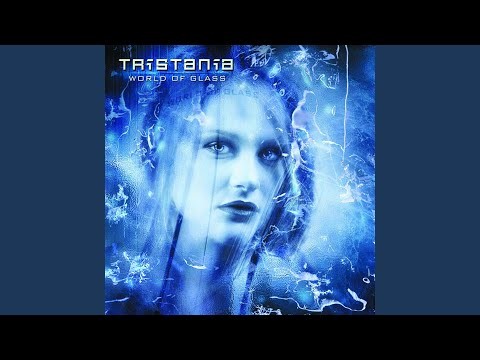
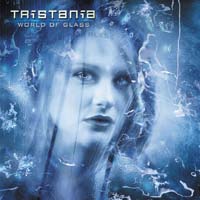
Tristania continued to evolve on their next album, World of Glass (2001), which saw the departure of Stene and the arrival of new female vocalist Mariangela Demurtas. Despite this major change, the band remained true to their sound and delivered an album that is both ambitious and cohesive. From the operatic opening of The Shining Path to the immersive closer The Modern End, World of Glass offers a rich listening experience that rewards multiple spins. Mary Jane's Libre is a particularly atmospheric track that showcases Demurtas' haunting vocals and the band's gift for creating a melancholy atmosphere.
Tristania's next album, Ashes (2005), marked another significant change for the band, with the departure of long-time guitarist and lyricist Hidle, and the return of Stene on clean vocals. The album sees the band moving towards a more streamlined sound, with punchy tracks like Libre and Shadowman showcasing a more straightforward rock approach. The album also features some experimental moments, such as the electronic-tinged Equilibrium and the acoustic ballad Circus, which features Stene's delicate vocals over sparse instrumentation.
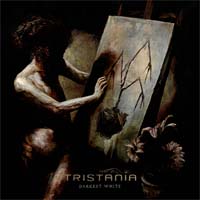
Finally, we come to Tristania's most recent album, Darkest White (2013), which sees the band continuing down the path of more direct, rock-oriented songs. The album features some of the band's catchiest songs to date, such as Number, Himmelfall, and Requiem, which all deliver memorable hooks and riffs. The album also features some more experimental moments, such as the atmospheric Illumination and the moody Arteries, which features a spoken-word passage that adds to the song's unsettling vibe.
Despite lineup changes and shifts in musical direction, Tristania has remained a consistently intriguing and creative band. Their genre-bending approach to music has helped them stand out in a crowded field, and their lyrical themes of loss, grief, and isolation add another layer of emotional depth to their work. Whether you're a fan of Gothic metal, symphonic metal, or just good music in general, Tristania is an artist worth checking out. So put on your headphones, and immerse yourself in the dark world of Norway's finest metal export.
Despite lineup changes and shifts in musical direction, Tristania has remained a consistently intriguing and creative band. Their genre-bending approach to music has helped them stand out in a crowded field, and their lyrical themes of loss, grief, and isolation add another layer of emotional depth to their work. Whether you're a fan of Gothic metal, symphonic metal, or just good music in general, Tristania is an artist worth checking out. So put on your headphones, and immerse yourself in the dark world of Norway's finest metal export.
Tristania: A Musical Journey Through Genre-Bending and Dark Lyrical Themes
If you're someone who enjoys music that veers into different genres and deals with lyrical themes that are not everyday fare, Tristania is an artist you'll want to check out. The Norwegian band emerged in the mid-1990s, blending Gothic metal, doom metal, and symphonic metal into a unique sound that has evolved over the years. One of the most distinctive aspects of Tristania is the dueling vocals of Vibeke Stene and Anders Høyvik Hidle, who deliver clean and harsh vocals respectively. In this article, we'll take a musical journey through the career of Tristania, highlighting their best songs, notable concerts, and offering a critical perspective on their output.
Let's first take a look at the early years of Tristania, starting with their debut album Widow's Weeds (1998). An ambitious and dramatic work, Widow's Weeds melded classical instruments with electric guitars and drums to create an eerie sound that immediately stood out. The atmospheric opener Preludium sets the tone for what follows, as the band immerses you in a world of heartbreak, loss, and despair. One of the standout tracks on the album is Angellore, which features Stene delivering ethereal vocals over a gloomy, metallic soundscape. Another highlight is Evenfall, a haunting ballad that showcases the band's musicality and emotional depth.
Moving on to Tristania's second album, Beyond the Veil (1999), we find the band honing their sound and expanding their musical palette. The album features a mix of shorter, more direct songs like Wormwood and Opus Relinque, as well as longer, more epic compositions like Beyond the Veil and Heretique. One of the most striking songs on the album is A Sequel of Decay, which features dueling vocals that alternate between mournful harmonies and savage growls. The album also features the introduction of clean male vocals by Morten Veland, which add another layer of variation to the band's sound.
Tristania continued to evolve on their next album, World of Glass (2001), which saw the departure of Stene and the arrival of new female vocalist Mariangela Demurtas. Despite this major change, the band remained true to their sound and delivered an album that is both ambitious and cohesive. From the operatic opening of The Shining Path to the immersive closer The Modern End, World of Glass offers a rich listening experience that rewards multiple spins. Mary Jane's Libre is a particularly atmospheric track that showcases Demurtas' haunting vocals and the band's gift for creating a melancholy atmosphere.
Tristania's next album, Ashes (2005), marked another significant change for the band, with the departure of long-time guitarist and lyricist Hidle, and the return of Stene on clean vocals. The album sees the band moving towards a more streamlined sound, with punchy tracks like Libre and Shadowman showcasing a more straightforward rock approach. The album also features some experimental moments, such as the electronic-tinged Equilibrium and the acoustic ballad Circus, which features Stene's delicate vocals over sparse instrumentation.
Finally, we come to Tristania's most recent album, Darkest White (2013), which sees the band continuing down the path of more direct, rock-oriented songs. The album features some of the band's catchiest songs to date, such as Number, Himmelfall, and Requiem, which all deliver memorable hooks and riffs. The album also features some more experimental moments, such as the atmospheric Illumination and the moody Arteries, which features a spoken-word passage that adds to the song's unsettling vibe.
Despite lineup changes and shifts in musical direction, Tristania has remained a consistently intriguing and creative band. Their genre-bending approach to music has helped them stand out in a crowded field, and their lyrical themes of loss, grief, and isolation add another layer of emotional depth to their work. Whether you're a fan of Gothic metal, symphonic metal, or just good music in general, Tristania is an artist worth checking out. So put on your headphones, and immerse yourself in the dark world of Norway's finest metal export.
Despite lineup changes and shifts in musical direction, Tristania has remained a consistently intriguing and creative band. Their genre-bending approach to music has helped them stand out in a crowded field, and their lyrical themes of loss, grief, and isolation add another layer of emotional depth to their work. Whether you're a fan of Gothic metal, symphonic metal, or just good music in general, Tristania is an artist worth checking out. So put on your headphones, and immerse yourself in the dark world of Norway's finest metal export.