Biography
The Future Sound of London: history and sound
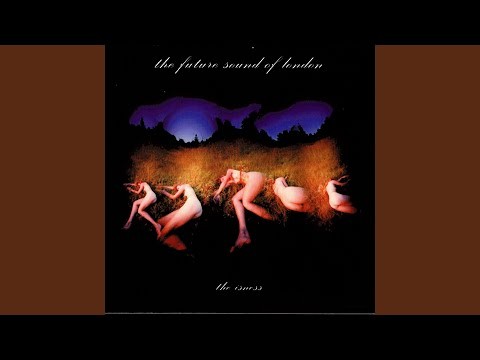
The Future Sound of London (often abbreviated to FSOL) is a British electronic music band composed of Garry Cobain (sometimes styled as Gaz Cobain) and Brian Dougans. The Future Sound of London is a British electronic music group comprised of Garry Cobain and Brian Dougans. Combing slinky bass lines, shimmering ambient electronics, and vocoded vocals, the duo created some of the most otherworldly tunes ever recorded. Starting out in Ambient House, The Future Sound of London has evolved to perfect experimental Acid Techno. Drawing from an eclectic array of source material, 90s UK dance chart hits to dub reggae, their futuristic style continues to hit high melody points with every release. With their groundbreaking exploration of technology and sampling, The Future Sound of London has established itself as one of the most influential bands in creating tuneful Electronic Dance Music today. Enjoy the future sound today – you won't regret it!
The Future Sound of London – An Unconventional Tale of an Experimental Electronic Duo
In the world of electronic music, The Future Sound of London (FSOL) stands out as an iconic and enigmatic duo. Founded in 1988 by Brian Dougans and Garry Cobain, the band has been at the forefront of the electronic music scene for over three decades, breaking boundaries with its experimental and avant-garde sound that blends electronic, ambient, and psychedelic elements. In this blog post, we delve into the musical biography of FSOL, highlight its best songs, explore the genre it represents, and review some of its famous concerts and critics.
FSOL's musical journey is a testament to the power of experimentation and creativity. Dougans and Cobain met in Manchester in the mid-1980s and soon discovered a shared passion for electronic music that transcended genre boundaries. They began experimenting with samplers, drum machines, and synthesizers, creating a sound that was simultaneously futuristic and rooted in the past. In 1991, they released their debut album, Accelerator, which was a critical and commercial success and established their reputation as a pioneering force in electronic music.
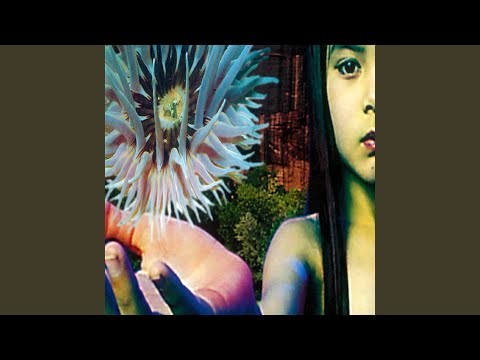
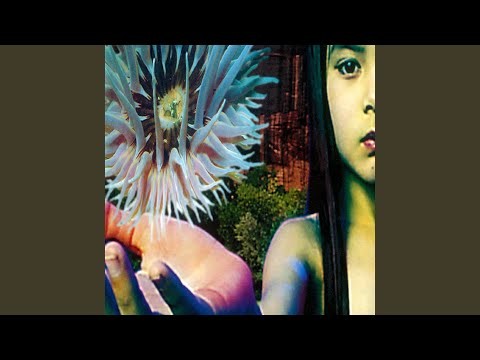
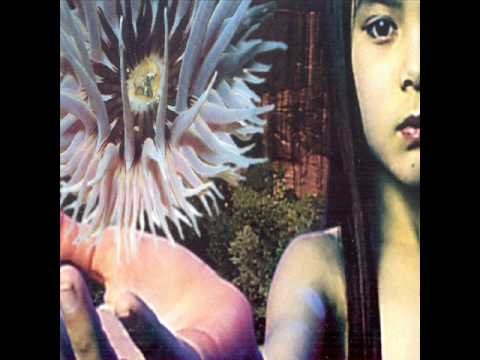
Since then, FSOL has released over a dozen studio albums, each showcasing its unique sound that defies categorization. Some of the band's best songs include Papua New Guinea, Lifeforms, Cascade, We Have Explosive, and My Kingdom, which feature lush soundscapes, haunting melodies, and intricate rhythms. These songs represent the band's ability to fuse electronic and organic elements seamlessly, creating a sonic landscape that is ethereal, otherworldly, and sublime.
FSOL's music genre is often described as ambient, electronic, and experimental. The band draws inspiration from a wide range of sources, including classical music, psychedelia, world music, and science fiction. The band's sound incorporates elements of techno, trance, and dub, as well as elements of avant-garde music like musique concrete and tape looping. This stylistic singularity has earned FSOL a devoted fan base and critical acclaim, with many critics hailing the band as one of the most innovative and influential in the electronic music scene.
FSOL is known for its mesmerizing live shows that blend music, visuals, and performance art. The band's concerts are a sonic and visual spectacle, transporting the audience to a transcendent realm of sound and light. Some of FSOL's most famous concerts include the 1994 Glastonbury Festival, which drew a massive crowd of ecstatic fans, and the 2016 Barbican Centre performance, which featured a retrospective of the band's career. Critics have praised FSOL's live shows as transformative experiences that showcase the band's musical prowess and visionary creativity.
The Future Sound of London is a musical enigma, a band that defies categorization and pushes boundaries with its experimental sound and performance art. Dougans and Cobain's collaboration over the decades has resulted in some of the most iconic and influential electronic music ever made. In essence, FSOL's music is an invitation to transcendence, to immerse oneself in a soundscape that is as beautiful as it is strange. Whether you're a longtime fan or a newcomer to the band's music, there's never been a better time to explore the Future Sound of London.
The Future Sound of London – An Unconventional Tale of an Experimental Electronic Duo
In the world of electronic music, The Future Sound of London (FSOL) stands out as an iconic and enigmatic duo. Founded in 1988 by Brian Dougans and Garry Cobain, the band has been at the forefront of the electronic music scene for over three decades, breaking boundaries with its experimental and avant-garde sound that blends electronic, ambient, and psychedelic elements. In this blog post, we delve into the musical biography of FSOL, highlight its best songs, explore the genre it represents, and review some of its famous concerts and critics.
FSOL's musical journey is a testament to the power of experimentation and creativity. Dougans and Cobain met in Manchester in the mid-1980s and soon discovered a shared passion for electronic music that transcended genre boundaries. They began experimenting with samplers, drum machines, and synthesizers, creating a sound that was simultaneously futuristic and rooted in the past. In 1991, they released their debut album, Accelerator, which was a critical and commercial success and established their reputation as a pioneering force in electronic music.
Since then, FSOL has released over a dozen studio albums, each showcasing its unique sound that defies categorization. Some of the band's best songs include Papua New Guinea, Lifeforms, Cascade, We Have Explosive, and My Kingdom, which feature lush soundscapes, haunting melodies, and intricate rhythms. These songs represent the band's ability to fuse electronic and organic elements seamlessly, creating a sonic landscape that is ethereal, otherworldly, and sublime.
FSOL's music genre is often described as ambient, electronic, and experimental. The band draws inspiration from a wide range of sources, including classical music, psychedelia, world music, and science fiction. The band's sound incorporates elements of techno, trance, and dub, as well as elements of avant-garde music like musique concrete and tape looping. This stylistic singularity has earned FSOL a devoted fan base and critical acclaim, with many critics hailing the band as one of the most innovative and influential in the electronic music scene.
FSOL is known for its mesmerizing live shows that blend music, visuals, and performance art. The band's concerts are a sonic and visual spectacle, transporting the audience to a transcendent realm of sound and light. Some of FSOL's most famous concerts include the 1994 Glastonbury Festival, which drew a massive crowd of ecstatic fans, and the 2016 Barbican Centre performance, which featured a retrospective of the band's career. Critics have praised FSOL's live shows as transformative experiences that showcase the band's musical prowess and visionary creativity.
The Future Sound of London is a musical enigma, a band that defies categorization and pushes boundaries with its experimental sound and performance art. Dougans and Cobain's collaboration over the decades has resulted in some of the most iconic and influential electronic music ever made. In essence, FSOL's music is an invitation to transcendence, to immerse oneself in a soundscape that is as beautiful as it is strange. Whether you're a longtime fan or a newcomer to the band's music, there's never been a better time to explore the Future Sound of London.