Biography
Tennessee Ernie Ford: history and sound
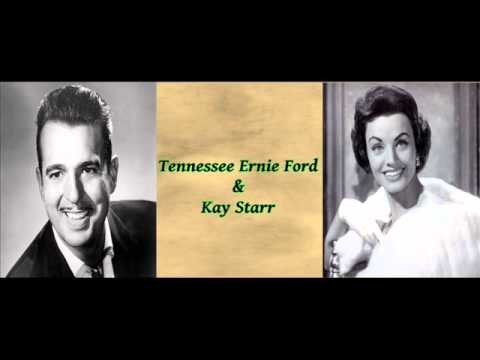
Ernest Jennings Ford (February 13, 1919 – October 17, 1991), known professionally as Tennessee Ernie Ford, was an American recording artist and television host who enjoyed success in the country and Western, pop, and gospel musical genres.
Tennessee Ernie Ford: The Man Behind the Melodies
If you’re a fan of classic country music, then chances are you’ll be familiar with the name Tennessee Ernie Ford. Known for hits like Sixteen Tons and The Ballad of Davy Crockett, this talented artist had a long and storied career that spanned several decades. But do you know the full story of the man behind the music? In this article, we’ll dive deep into the musical biography of Tennessee Ernie Ford, discussing his genre-defining style, most famous songs, and even a few of his legendary concerts.
Tennessee Ernie Ford was born in Bristol, Tennessee in 1919 and grew up in a musical family that was steeped in the traditions of the Appalachian region. His father played the fiddle, and Tennessee himself was a gifted singer from a young age. By the time he reached adulthood, he was performing regularly on local radio stations and making a name for himself as a country artist. It wasn’t until the mid-1950s that he achieved widespread fame, however, thanks to a string of hit singles that would cement his place in music history.
Some of Tennessee Ernie Ford’s best-known songs include Sixteen Tons, which topped the Billboard charts in 1955, and The Ballad of Davy Crockett, which was a #1 hit the following year. He was also beloved for his gospel music, which drew on his deep religious faith and included classics like Peace in the Valley and Take My Hand, Precious Lord. Throughout his career, he proved himself to be a versatile artist, capable of seamlessly blending genres and styles to create a sound that was uniquely his own.
When it comes to live performances, Tennessee Ernie Ford was a true showman. He was known for his exuberant stage presence, and his concerts were always a wild and joyous affair. One of his most famous shows took place at Carnegie Hall in 1959, where he performed alongside an orchestra and a choir. The concert was a massive critical and commercial success, and cemented Ford’s reputation as one of the most exciting performers of his time.
Of course, no discussion of Tennessee Ernie Ford’s legacy would be complete without mentioning his impact on the country music genre as a whole. He was one of the first artists to bring a more polished, mainstream sound to country music, and in doing so, he opened the door for countless other artists who would follow in his footsteps. He also did important work to promote diversity in the music industry, advocating for Black artists like Odetta and Burl Ives at a time when segregation was still the norm.
Tennessee Ernie Ford’s impact on the world of country music cannot be overstated. From his earliest days as a local radio personality to his later years as a beloved national icon, he remained true to his roots while pushing the boundaries of what was possible in his genre. Today, his music continues to inspire and uplift people all over the world, and his legacy as a trailblazer and pioneer is secure. We can all learn something from his example of hard work, perseverance, and a commitment to creating great art that stands the test of time.
Tennessee Ernie Ford: The Man Behind the Melodies
If you’re a fan of classic country music, then chances are you’ll be familiar with the name Tennessee Ernie Ford. Known for hits like Sixteen Tons and The Ballad of Davy Crockett, this talented artist had a long and storied career that spanned several decades. But do you know the full story of the man behind the music? In this article, we’ll dive deep into the musical biography of Tennessee Ernie Ford, discussing his genre-defining style, most famous songs, and even a few of his legendary concerts.
Tennessee Ernie Ford was born in Bristol, Tennessee in 1919 and grew up in a musical family that was steeped in the traditions of the Appalachian region. His father played the fiddle, and Tennessee himself was a gifted singer from a young age. By the time he reached adulthood, he was performing regularly on local radio stations and making a name for himself as a country artist. It wasn’t until the mid-1950s that he achieved widespread fame, however, thanks to a string of hit singles that would cement his place in music history.
Some of Tennessee Ernie Ford’s best-known songs include Sixteen Tons, which topped the Billboard charts in 1955, and The Ballad of Davy Crockett, which was a #1 hit the following year. He was also beloved for his gospel music, which drew on his deep religious faith and included classics like Peace in the Valley and Take My Hand, Precious Lord. Throughout his career, he proved himself to be a versatile artist, capable of seamlessly blending genres and styles to create a sound that was uniquely his own.
When it comes to live performances, Tennessee Ernie Ford was a true showman. He was known for his exuberant stage presence, and his concerts were always a wild and joyous affair. One of his most famous shows took place at Carnegie Hall in 1959, where he performed alongside an orchestra and a choir. The concert was a massive critical and commercial success, and cemented Ford’s reputation as one of the most exciting performers of his time.
Of course, no discussion of Tennessee Ernie Ford’s legacy would be complete without mentioning his impact on the country music genre as a whole. He was one of the first artists to bring a more polished, mainstream sound to country music, and in doing so, he opened the door for countless other artists who would follow in his footsteps. He also did important work to promote diversity in the music industry, advocating for Black artists like Odetta and Burl Ives at a time when segregation was still the norm.
Tennessee Ernie Ford’s impact on the world of country music cannot be overstated. From his earliest days as a local radio personality to his later years as a beloved national icon, he remained true to his roots while pushing the boundaries of what was possible in his genre. Today, his music continues to inspire and uplift people all over the world, and his legacy as a trailblazer and pioneer is secure. We can all learn something from his example of hard work, perseverance, and a commitment to creating great art that stands the test of time.