Biography
Sylvester: history and sound
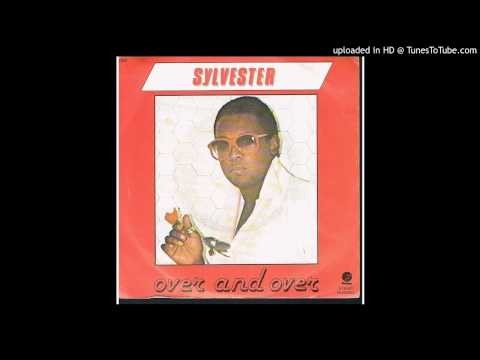
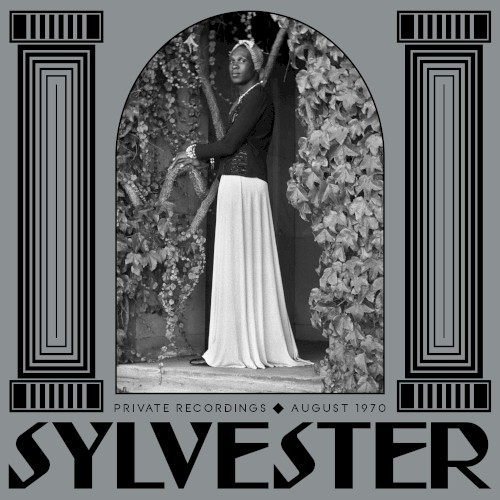
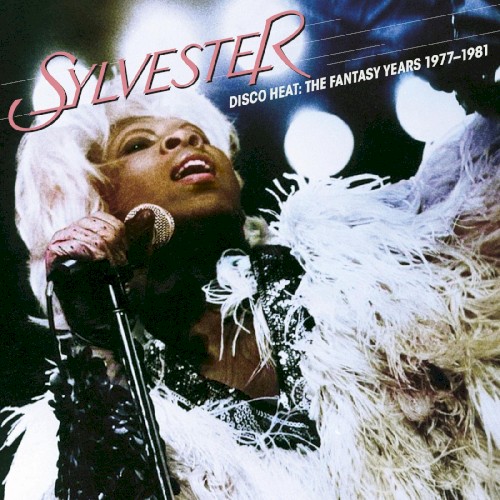
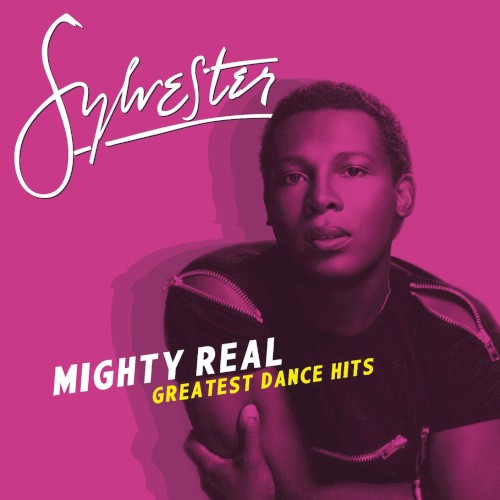
Sylvester is a key figure in the history of disco music, contributing distinctive sounds, memorable performances, and songs that defined the late 1970s and early 1980s. Their music reflects the essential qualities of disco: four?on?the?floor rhythms, funk?driven bass lines, lush arrangements, and an undeniable invitation to dance. Within the disco movement, Sylvester not only entertained but also symbolized cultural change, embracing diversity, inclusion, and the celebratory spirit of the era. The career of Sylvester illustrates how disco provided a platform for innovation in both sound and performance. Tracks released by Sylvester were often extended into 12?inch singles, making them essential for DJs who kept dancefloors alive. The combination of catchy hooks, soulful vocals, and layered instrumentation gave their songs lasting appeal. Audiences connected not only with the rhythm but with the sense of freedom and joy embedded in the music. Live performances by Sylvester embodied the theatricality of disco culture. Costumes, choreography, and staging created immersive experiences that went beyond concerts, functioning as celebrations of identity and community. Through their artistry, Sylvester reinforced disco’s identity as more than a genre—it was a lifestyle, a gathering space, and a declaration of fun. Even when disco faced backlash at the turn of the 1980s, Sylvester adapted, carrying forward elements of the genre into R&B, pop, and dance music. The endurance of their hits on radio, in clubs, and in film soundtracks proves the timeless quality of their contributions. In recent decades, a reevaluation of disco has restored respect for the genre and artists like Sylvester. Sampling, remixing, and reissues of classic tracks introduced new generations to their music, highlighting its foundational role in the evolution of modern electronic and pop music. Furthermore, Sylvester's story is tied to broader social history. Disco provided safe spaces for LGBTQ+ communities and people of color, and Sylvester's popularity in these circles underscores the intersection of music and cultural empowerment. Today, when audiences dance to disco revival nights or stream remastered classics, they keep alive the legacy of Sylvester. Their work reminds us of the power of rhythm to bring people together and the enduring relevance of disco in shaping global music culture. By celebrating both individuality and collective joy, Sylvester ensured their place in the canon of popular music history. Ultimately, Sylvester demonstrates that disco was not a passing fad but a transformative force. Through innovation, energy, and sheer charisma, they carved out a legacy that remains vibrant decades later. Sylvester is a key figure in the history of disco music, contributing distinctive sounds, memorable performances, and songs that defined the late 1970s and early 1980s. Their music reflects the essential qualities of disco: four?on?the?floor rhythms, funk?driven bass lines, lush arrangements, and an undeniable invitation to dance. Within the disco movement, Sylvester not only entertained but also symbolized cultural change, embracing diversity, inclusion, and the celebrato