Biography
Suicide: history and sound
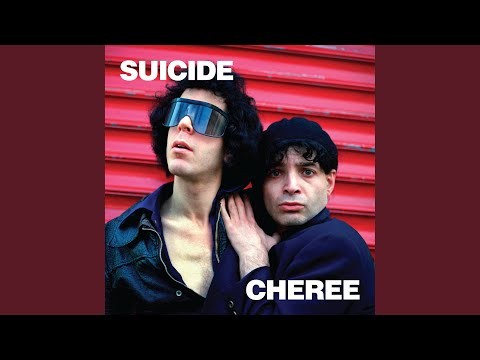
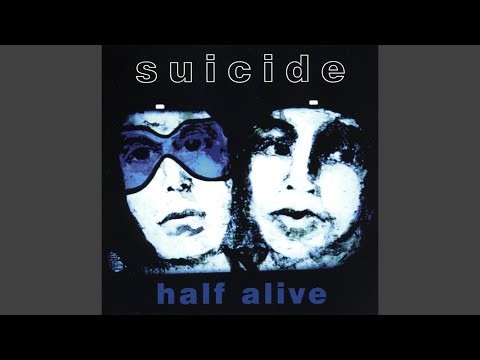
Suicide is an American electronic protopunk musical duo, intermittently active since 1970 and composed of vocalist Alan Vega and Martin Rev on synthesizers and drum machines.
Suicide - The Pioneers of Post-Punk
In the annals of music history, the progenitors of post-punk and noise-rock were few and far between. But one name that stands out in this regard - Suicide. Hailing from New York City, Suicide's music is often described as bleak, nihilistic, and confrontational. Yet, its place in musical history is undeniable. In this article, we will delve into the musical biography of the band, its best songs, music genre, famous concerts, and a critic's opinion.
Suicide was formed in 1970 by Alan Vega and Martin Rev, both seasoned musicians looking to veer away from the traditional rock and roll format. The band's name itself was a nod to the self-destructive tendencies of society, a reflection of the band's sound. Early on, the band's music was heavily influenced by the experimental sounds of electronic music pioneers like Kraftwerk and the Velvet Underground.
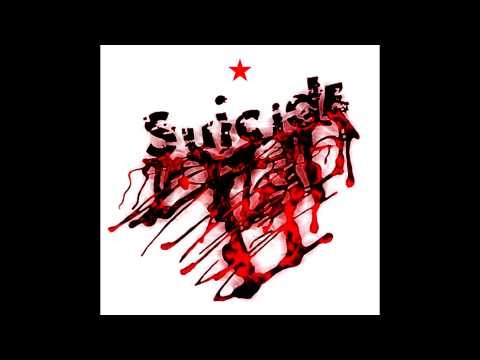
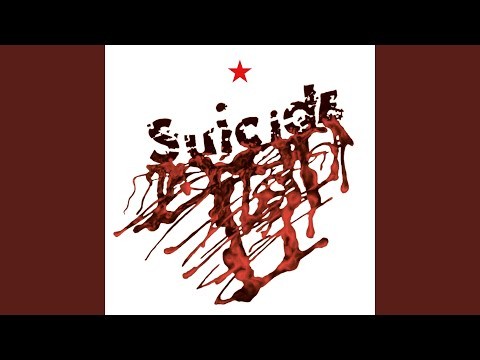
The band's eponymous debut album, released in 1977, is considered a masterpiece of avant-garde music. Its best-known song, Frankie Teardrop, is a haunting tale of a Vietnam veteran's descent into madness, backed by a pulsating synth line. But more than just the music, it was the album's overall aesthetic that caught people's attention. The album cover featured a crude drawing of a man holding a gun to his head, which was seen as confrontational and unsettling.
The band's genre of music was post-punk, which referred to punk rock bands that experiment with non-traditional rock instruments and unconventional songwriting. The band's sound was characterized by Vega's snarling vocals and Rev's aggressive use of a synthesizer and drum machine. Their music was often described as bleak, nihilistic, and confrontational, which was a reflection of the state of American society at the time - the era of the Reagan presidency, the rise of neoliberalism, and the decline of the American dream.
Suicide's live performances were legendary, often involving confrontations with the audience and sometimes even violence. Their show at CBGB's in 1978 is still talked about to this day. During their performance of Frankie Teardrop, Vega jumped off the stage, crawled into the audience, and started hitting people with his microphone stand. It's been said that Vega's actions that night were a comment on the violence and desperation of the times.
A critic's opinion of the band can be summed up by music writer Simon Reynolds, who called Suicide the ultimate nihilist band. Reynolds praised the band's no-future sound, which he described as a protest against the mainstream culture that was becoming increasingly venal at the time. Reynolds' point underscores the importance of the band's music in the context of American society. Suicide was a commentary on a time when the promise of the American dream had soured, and all that was left was the sound of synthesizers and suicidal despair.
Suicide's music may not be for everyone, but its significance in the history of music cannot be denied. They helped pioneer a genre of music that is still being explored today, and their commentary on society still resonates. The band's legacy will live on, and their music will continue to influence generations of musicians to come. The band's final epitaph, we never compromise, is a testament to their commitment to their art and to telling the truth. In the end, that's all that matters.
Suicide's music may not be for everyone, but its significance in the history of music cannot be denied. They helped pioneer a genre of music that is still being explored today, and their commentary on society still resonates. The band's legacy will live on, and their music will continue to influence generations of musicians to come. The band's final epitaph, we never compromise, is a testament to their commitment to their art and to telling the truth. In the end, that's all that matters.
Suicide - The Pioneers of Post-Punk
In the annals of music history, the progenitors of post-punk and noise-rock were few and far between. But one name that stands out in this regard - Suicide. Hailing from New York City, Suicide's music is often described as bleak, nihilistic, and confrontational. Yet, its place in musical history is undeniable. In this article, we will delve into the musical biography of the band, its best songs, music genre, famous concerts, and a critic's opinion.
Suicide was formed in 1970 by Alan Vega and Martin Rev, both seasoned musicians looking to veer away from the traditional rock and roll format. The band's name itself was a nod to the self-destructive tendencies of society, a reflection of the band's sound. Early on, the band's music was heavily influenced by the experimental sounds of electronic music pioneers like Kraftwerk and the Velvet Underground.
The band's eponymous debut album, released in 1977, is considered a masterpiece of avant-garde music. Its best-known song, Frankie Teardrop, is a haunting tale of a Vietnam veteran's descent into madness, backed by a pulsating synth line. But more than just the music, it was the album's overall aesthetic that caught people's attention. The album cover featured a crude drawing of a man holding a gun to his head, which was seen as confrontational and unsettling.
The band's genre of music was post-punk, which referred to punk rock bands that experiment with non-traditional rock instruments and unconventional songwriting. The band's sound was characterized by Vega's snarling vocals and Rev's aggressive use of a synthesizer and drum machine. Their music was often described as bleak, nihilistic, and confrontational, which was a reflection of the state of American society at the time - the era of the Reagan presidency, the rise of neoliberalism, and the decline of the American dream.
Suicide's live performances were legendary, often involving confrontations with the audience and sometimes even violence. Their show at CBGB's in 1978 is still talked about to this day. During their performance of Frankie Teardrop, Vega jumped off the stage, crawled into the audience, and started hitting people with his microphone stand. It's been said that Vega's actions that night were a comment on the violence and desperation of the times.
A critic's opinion of the band can be summed up by music writer Simon Reynolds, who called Suicide the ultimate nihilist band. Reynolds praised the band's no-future sound, which he described as a protest against the mainstream culture that was becoming increasingly venal at the time. Reynolds' point underscores the importance of the band's music in the context of American society. Suicide was a commentary on a time when the promise of the American dream had soured, and all that was left was the sound of synthesizers and suicidal despair.
Suicide's music may not be for everyone, but its significance in the history of music cannot be denied. They helped pioneer a genre of music that is still being explored today, and their commentary on society still resonates. The band's legacy will live on, and their music will continue to influence generations of musicians to come. The band's final epitaph, we never compromise, is a testament to their commitment to their art and to telling the truth. In the end, that's all that matters.
Suicide's music may not be for everyone, but its significance in the history of music cannot be denied. They helped pioneer a genre of music that is still being explored today, and their commentary on society still resonates. The band's legacy will live on, and their music will continue to influence generations of musicians to come. The band's final epitaph, we never compromise, is a testament to their commitment to their art and to telling the truth. In the end, that's all that matters.