Biography
Stan Getz: history and sound
Stan Getz was a celebrated musician whose relaxing melodies and distinctive solos made him an individual who brought jazz to mainstream. His happy, uplifting influential notes reminded listeners of the moments in life worth celebrating. He composed some of the jazz world's most beloved songs, such as “Desafinado," "The Girl from Ipanema" and of course his classic track "Wildwood". Stan Getz further defies definition by demonstrating a unity between improvisation and instinctive sensitivities with traditional tunes. Through his music, he expresses a living narrative that has spoken volumes to musicians since 1954 along with millions of fans who love his sounds around the world.
Smooth Jazz Master: The Musical Legacy of the Legendary Stan Getz
Stan Getz was one of the most notable and influential saxophonists in the history of jazz music. Nicknamed The Sound by his fans, Getz's dulcet tones and smooth melodic lines are still revered by many jazz enthusiasts today. He was regarded as one of the most important jazz musicians of all time, and he had a profound impact on the genre's evolution. In this blog post, we'll take a look at Stan Getz's musical biography, the origin of his mellifluous sound, his most famous performances and recordings, as well as his legacy to jazz music.
Stan Getz was born in Philadelphia in 1927 and raised in the Bronx. His father was Ukrainian and his mother was from Brazil. Getz's maternal ancestry would play a significant role in shaping his musical style. As a child, Getz listened to a wide range of music, including classical, big-band swing, and Brazilian samba. This eclectic musical upbringing was one of the reasons Getz became such a versatile and innovative saxophonist. He started playing the saxophone at the age of 13, and by the time he was 21, he joined Woody Herman's big band, the Second Herd. It was during his tenure with Herman's band that Getz became known for his cool, lyrical playing, which would later become his signature sound.
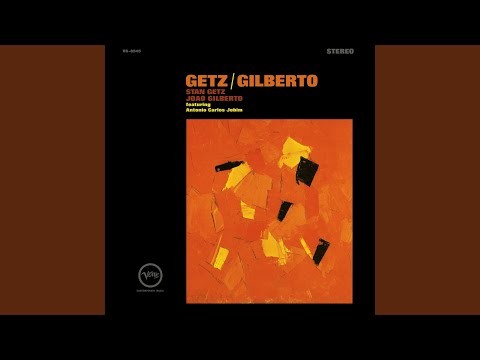
Getz's sound was heavily influenced by the Brazilian music he heard as a child and later played with Brazilian musicians like Antonio Carlos Jobim, Joao Gilberto, and Astrud Gilberto. He recorded one of the most popular Bossa Nova albums of all time, Getz/Gilberto, in 1964, with Joao Gilberto and Tom Jobim. This album features some of his most revered tracks, including The Girl from Ipanema, Corcovado, and Desafinado. These songs helped popularize the Bossa Nova genre in the United States and won Getz a Grammy Award for Album of the Year.
One of Getz's most famous performances was at the 1956 Newport Jazz Festival, where he played Moonlight in Vermont, one of his signature ballads. The performance was captured on film and is considered one of the most iconic moments in jazz history. Getz's silky-smooth solos and effortless improvisations made him an instant sensation, and his popularity continued to soar throughout his career. He produced a string of successful albums throughout the 60s and 70s, including 'Big Band Bossa Nova' and 'Stan Getz Plays Jobim'.
Stan Getz is often remembered for his collaboration with other jazz legends, including Dizzy Gillespie, Charlie Parker, and J.J. Johnson. Getz's unique style of improvisation allowed him to seamlessly blend with other musicians and create some of the most iconic jazz performances of all time. In particular, his collaborations with guitarist Charlie Byrd, and pianist Bill Evans illustrate his versatility as a musician and his empathy for a vast array of musical styles.
Despite Getz's massive success, he was not immune to criticism. Some jazz purists felt that his playing was too smooth and lacked the grit and soul that was prevalent in other jazz musicians' work. However, many jazz enthusiasts considered him a trailblazer and one of the most innovative musicians of his time.
Stan Getz may have been one of the smoothest players in the history of jazz, but his influence on the genre's evolution cannot be overstated. He was a master of his craft and a true innovator, whose musical style inspired and influenced generations of jazz musicians. His seminal collaborations with Brazilian artists introduced Bossa Nova to the Western world and paved the way for Latin jazz's popularity. Stan Getz's mellifluous sound will continue to resonate in music lovers' hearts for eternity.
Stan Getz may have been one of the smoothest players in the history of jazz, but his influence on the genre's evolution cannot be overstated. He was a master of his craft and a true innovator, whose musical style inspired and influenced generations of jazz musicians. His seminal collaborations with Brazilian artists introduced Bossa Nova to the Western world and paved the way for Latin jazz's popularity. Stan Getz's mellifluous sound will continue to resonate in music lovers' hearts for eternity.
Smooth Jazz Master: The Musical Legacy of the Legendary Stan Getz
Stan Getz was one of the most notable and influential saxophonists in the history of jazz music. Nicknamed The Sound by his fans, Getz's dulcet tones and smooth melodic lines are still revered by many jazz enthusiasts today. He was regarded as one of the most important jazz musicians of all time, and he had a profound impact on the genre's evolution. In this blog post, we'll take a look at Stan Getz's musical biography, the origin of his mellifluous sound, his most famous performances and recordings, as well as his legacy to jazz music.
Stan Getz was born in Philadelphia in 1927 and raised in the Bronx. His father was Ukrainian and his mother was from Brazil. Getz's maternal ancestry would play a significant role in shaping his musical style. As a child, Getz listened to a wide range of music, including classical, big-band swing, and Brazilian samba. This eclectic musical upbringing was one of the reasons Getz became such a versatile and innovative saxophonist. He started playing the saxophone at the age of 13, and by the time he was 21, he joined Woody Herman's big band, the Second Herd. It was during his tenure with Herman's band that Getz became known for his cool, lyrical playing, which would later become his signature sound.
Getz's sound was heavily influenced by the Brazilian music he heard as a child and later played with Brazilian musicians like Antonio Carlos Jobim, Joao Gilberto, and Astrud Gilberto. He recorded one of the most popular Bossa Nova albums of all time, Getz/Gilberto, in 1964, with Joao Gilberto and Tom Jobim. This album features some of his most revered tracks, including The Girl from Ipanema, Corcovado, and Desafinado. These songs helped popularize the Bossa Nova genre in the United States and won Getz a Grammy Award for Album of the Year.
One of Getz's most famous performances was at the 1956 Newport Jazz Festival, where he played Moonlight in Vermont, one of his signature ballads. The performance was captured on film and is considered one of the most iconic moments in jazz history. Getz's silky-smooth solos and effortless improvisations made him an instant sensation, and his popularity continued to soar throughout his career. He produced a string of successful albums throughout the 60s and 70s, including 'Big Band Bossa Nova' and 'Stan Getz Plays Jobim'.
Stan Getz is often remembered for his collaboration with other jazz legends, including Dizzy Gillespie, Charlie Parker, and J.J. Johnson. Getz's unique style of improvisation allowed him to seamlessly blend with other musicians and create some of the most iconic jazz performances of all time. In particular, his collaborations with guitarist Charlie Byrd, and pianist Bill Evans illustrate his versatility as a musician and his empathy for a vast array of musical styles.
Despite Getz's massive success, he was not immune to criticism. Some jazz purists felt that his playing was too smooth and lacked the grit and soul that was prevalent in other jazz musicians' work. However, many jazz enthusiasts considered him a trailblazer and one of the most innovative musicians of his time.
Stan Getz may have been one of the smoothest players in the history of jazz, but his influence on the genre's evolution cannot be overstated. He was a master of his craft and a true innovator, whose musical style inspired and influenced generations of jazz musicians. His seminal collaborations with Brazilian artists introduced Bossa Nova to the Western world and paved the way for Latin jazz's popularity. Stan Getz's mellifluous sound will continue to resonate in music lovers' hearts for eternity.
Stan Getz may have been one of the smoothest players in the history of jazz, but his influence on the genre's evolution cannot be overstated. He was a master of his craft and a true innovator, whose musical style inspired and influenced generations of jazz musicians. His seminal collaborations with Brazilian artists introduced Bossa Nova to the Western world and paved the way for Latin jazz's popularity. Stan Getz's mellifluous sound will continue to resonate in music lovers' hearts for eternity.