Biography
Sister Rosetta Tharpe: history and sound
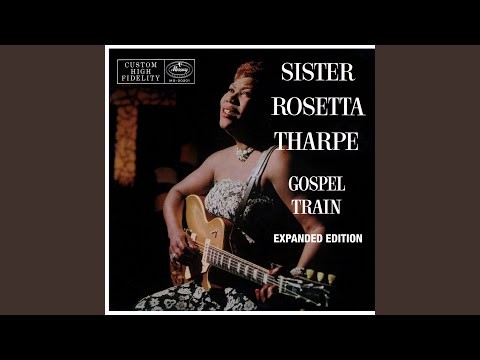
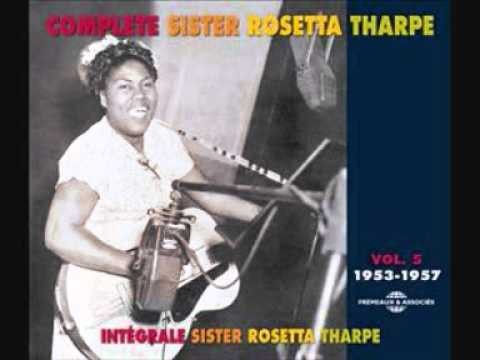
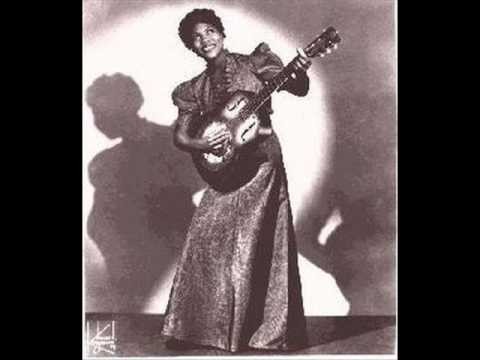
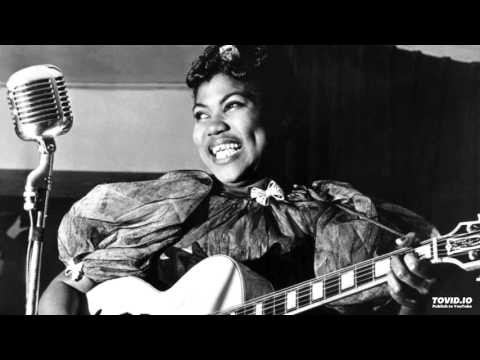
Sister Rosetta Tharpe (March 20, 1915 – October 9, 1973) was an American singer, songwriter, guitarist and recording artist.
The Musical Legacy of Sister Rosetta Tharpe
Music has the power to transcend language barriers and cultural differences, and Sister Rosetta Tharpe is one such musician whose legacy still resonates with listeners around the world. Known as the Godmother of Rock and Roll, Sister Rosetta Tharpe was a trailblazer who revolutionized the music industry and inspired generations of musicians. In this article, we will explore the musical biography, genre, best songs, famous concerts, and criticisms of Sister Rosetta Tharpe.
Sister Rosetta Tharpe was born in Cotton Plant, Arkansas, in 1915. She started performing gospel music at an early age, traveling with her mother, a mandolin player and evangelist, to perform at various churches. Tharpe's music career spanned four decades, during which she recorded countless albums and influential songs such as This Train, Strange Things Happening Every Day, and Up Above My Head. Her music combined elements of gospel, blues, jazz, and rock and roll, making her one of the first African American musicians to cross genre lines.
Sister Rosetta Tharpe's music was a reflection of her life experiences. She wrote and performed songs that spoke to the struggles and joys of African Americans during her time. She was a fearless and vibrant performer who captivated audiences with her powerful voice, virtuosic guitar playing, and innovative style. Her music influenced various artists such as Elvis Presley, Johnny Cash, and Chuck Berry, who have all cited her as a significant inspiration to their own music careers.
One of Sister Rosetta Tharpe's most famous concerts was her performance at the Cotton Club in Harlem in 1938. She was the first gospel singer to perform at the famous club, breaking racial barriers and paving the way for other black musicians to follow. Tharpe's performance was a sensation, and she earned critical acclaim for her musical talents and showmanship. Her powerful voice and guitar playing enthralled the audience, and she received ovations and accolades.
Sister Rosetta Tharpe's music was not without its critics. Some members of the gospel community felt that her music was too secular and strayed too far from traditional gospel. However, Tharpe believed that music should unify people, and she continued to innovate and experiment with different styles throughout her career. Her music paved the way for future generations of musicians to create their unique sounds, and her legacy continues to inspire and motivate many people around the world.
Sister Rosetta Tharpe was a musical pioneer who shattered boundaries and broke ground for future generations of musicians. Her music was a reflection of her life experiences, and she used her talent and voice to speak about issues that impacted her community. Despite her passing in 1973, Sister Rosetta Tharpe's music continues to inspire countless artists and resonates with audiences worldwide. She has earned a special place in music history as the Godmother of Rock and Roll, as her influence still prevails in modern musicians' works. Sister Rosetta Tharpe's music legacy will continue to inspire and motivate musicians for generations to come.
The Musical Legacy of Sister Rosetta Tharpe
Music has the power to transcend language barriers and cultural differences, and Sister Rosetta Tharpe is one such musician whose legacy still resonates with listeners around the world. Known as the Godmother of Rock and Roll, Sister Rosetta Tharpe was a trailblazer who revolutionized the music industry and inspired generations of musicians. In this article, we will explore the musical biography, genre, best songs, famous concerts, and criticisms of Sister Rosetta Tharpe.
Sister Rosetta Tharpe was born in Cotton Plant, Arkansas, in 1915. She started performing gospel music at an early age, traveling with her mother, a mandolin player and evangelist, to perform at various churches. Tharpe's music career spanned four decades, during which she recorded countless albums and influential songs such as This Train, Strange Things Happening Every Day, and Up Above My Head. Her music combined elements of gospel, blues, jazz, and rock and roll, making her one of the first African American musicians to cross genre lines.
Sister Rosetta Tharpe's music was a reflection of her life experiences. She wrote and performed songs that spoke to the struggles and joys of African Americans during her time. She was a fearless and vibrant performer who captivated audiences with her powerful voice, virtuosic guitar playing, and innovative style. Her music influenced various artists such as Elvis Presley, Johnny Cash, and Chuck Berry, who have all cited her as a significant inspiration to their own music careers.
One of Sister Rosetta Tharpe's most famous concerts was her performance at the Cotton Club in Harlem in 1938. She was the first gospel singer to perform at the famous club, breaking racial barriers and paving the way for other black musicians to follow. Tharpe's performance was a sensation, and she earned critical acclaim for her musical talents and showmanship. Her powerful voice and guitar playing enthralled the audience, and she received ovations and accolades.
Sister Rosetta Tharpe's music was not without its critics. Some members of the gospel community felt that her music was too secular and strayed too far from traditional gospel. However, Tharpe believed that music should unify people, and she continued to innovate and experiment with different styles throughout her career. Her music paved the way for future generations of musicians to create their unique sounds, and her legacy continues to inspire and motivate many people around the world.
Sister Rosetta Tharpe was a musical pioneer who shattered boundaries and broke ground for future generations of musicians. Her music was a reflection of her life experiences, and she used her talent and voice to speak about issues that impacted her community. Despite her passing in 1973, Sister Rosetta Tharpe's music continues to inspire countless artists and resonates with audiences worldwide. She has earned a special place in music history as the Godmother of Rock and Roll, as her influence still prevails in modern musicians' works. Sister Rosetta Tharpe's music legacy will continue to inspire and motivate musicians for generations to come.