Biography
Rino Gaetano: history and sound
Rino Gaetano: A Musical Legend and His Best Songs
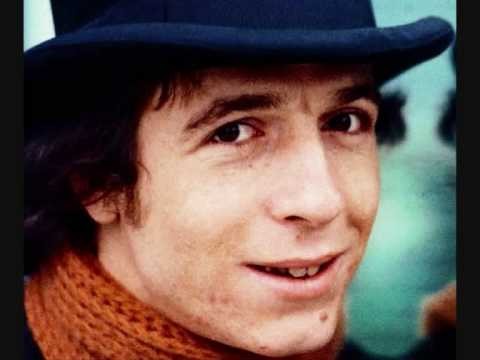
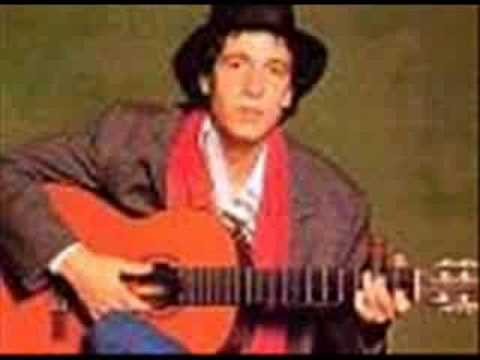
Rino Gaetano has been referred to as the Italian Bob Dylan with his piercing songs that challenge social and cultural norms. He was born in Italy in 1950 and started his music career in the late 60s. His music was a protest against the corruption and injustices of the Italian government and society. He died tragically in a car accident in 1981, but his music and legacy still live on. In this article, we’ll delve into Rino Gaetano’s remarkable musical biography, explore his best songs, dissect his music genre and examine some of his most famous concerts, as well as a critic.
Rino Gaetano was a strong-willed kid with a sharp mind and a passion for music. He began his career as a chorister in a church choir, but once he discovered rock and roll, he knew that music was the path that he wanted to take. He was influenced by various artists, most notably Bob Dylan and Francesco De Gregori. Rino believed that music had the power to change society, and he used his talent to attack the corruption and social inequality in Italy.
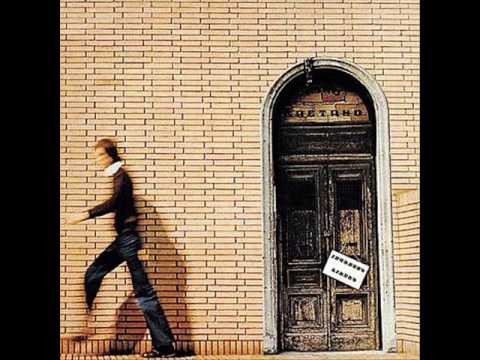
His music genre was strongly influenced by American rock and roll, but he also incorporated traditional Italian music styles like the tarantella into his songs. His music was different from other Italian musicians of the time as it was more politically charged. His first album, Ingresso Libero in 1974, was groundbreaking in its lyrical content and musical style. He followed up with several more critically acclaimed albums.
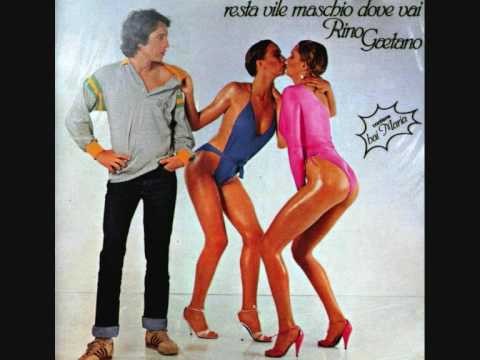
Rino’s best songs have deep political, economic, and social messages. His most famous song, Ma Il Cielo è Sempre Più Blu, talks about the government's lies and corruption, while Ahi Maria, delves into the corrupt system of the Catholic Church. Napoli captures the pain and suffering of a city that is corrupt to its core. Other notable songs include Gianna and Escluso il Cane, which are pointed reflections on the Italian system that divides people into insiders and outsiders.
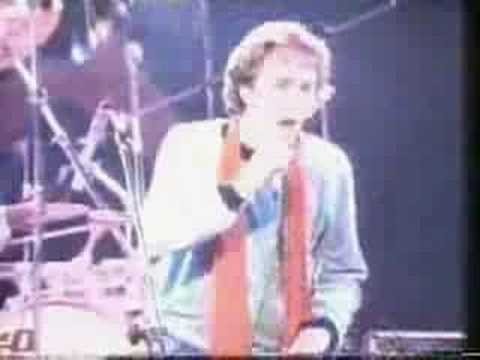
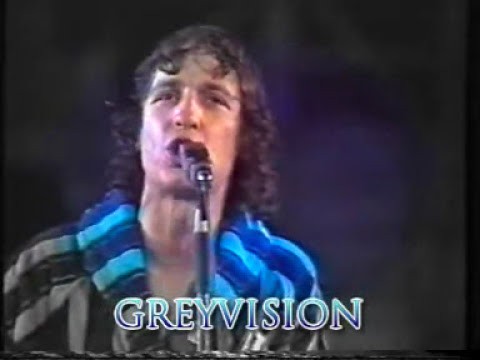
Rino’s concerts were usually small and intimate, held in bars and music clubs, but he also performed in a few large concert halls. His most famous concert was held at Rome’s Teatro Brancaccio, where he performed his album, Nuntereggae più in 1978. The concert was packed with fans who were attracted to Rino’s music and message. He also performed at other significant events, such as the Festival di Sanremo, where he was finally able to bring attention to his musical abilities.
Critics have praised Rino Gaetano for his musically complex lyrics, his dynamic and emotive voice, and his unconventional style. He was often compared to Bob Dylan for his protest songwriting, which critics found both admirable and abrasive. Although some people at first found his politics at odds with the music and lyricism of Italian pop culture, they eventually came to appreciate his genius.
Rino Gaetano was an extraordinary musician, and his music continues to be relevant today. His lyrics are piercing and take on societal issues that affect people of all nations. He may have died tragically, but his music will live on, inspiring generations to come. If you are a fan of rock and roll, Italian music, or music that challenges the status quo, Rino Gaetano’s work is definitely worth exploring. Regardless of your views on the issues he protested, Rino Gaetano’s music is an honest expression of a man who wanted to make the world a better place.
Rino Gaetano has been referred to as the Italian Bob Dylan with his piercing songs that challenge social and cultural norms. He was born in Italy in 1950 and started his music career in the late 60s. His music was a protest against the corruption and injustices of the Italian government and society. He died tragically in a car accident in 1981, but his music and legacy still live on. In this article, we’ll delve into Rino Gaetano’s remarkable musical biography, explore his best songs, dissect his music genre and examine some of his most famous concerts, as well as a critic.
Rino Gaetano was a strong-willed kid with a sharp mind and a passion for music. He began his career as a chorister in a church choir, but once he discovered rock and roll, he knew that music was the path that he wanted to take. He was influenced by various artists, most notably Bob Dylan and Francesco De Gregori. Rino believed that music had the power to change society, and he used his talent to attack the corruption and social inequality in Italy.
His music genre was strongly influenced by American rock and roll, but he also incorporated traditional Italian music styles like the tarantella into his songs. His music was different from other Italian musicians of the time as it was more politically charged. His first album, Ingresso Libero in 1974, was groundbreaking in its lyrical content and musical style. He followed up with several more critically acclaimed albums.
Rino’s best songs have deep political, economic, and social messages. His most famous song, Ma Il Cielo è Sempre Più Blu, talks about the government's lies and corruption, while Ahi Maria, delves into the corrupt system of the Catholic Church. Napoli captures the pain and suffering of a city that is corrupt to its core. Other notable songs include Gianna and Escluso il Cane, which are pointed reflections on the Italian system that divides people into insiders and outsiders.
Rino’s concerts were usually small and intimate, held in bars and music clubs, but he also performed in a few large concert halls. His most famous concert was held at Rome’s Teatro Brancaccio, where he performed his album, Nuntereggae più in 1978. The concert was packed with fans who were attracted to Rino’s music and message. He also performed at other significant events, such as the Festival di Sanremo, where he was finally able to bring attention to his musical abilities.
Critics have praised Rino Gaetano for his musically complex lyrics, his dynamic and emotive voice, and his unconventional style. He was often compared to Bob Dylan for his protest songwriting, which critics found both admirable and abrasive. Although some people at first found his politics at odds with the music and lyricism of Italian pop culture, they eventually came to appreciate his genius.
Rino Gaetano was an extraordinary musician, and his music continues to be relevant today. His lyrics are piercing and take on societal issues that affect people of all nations. He may have died tragically, but his music will live on, inspiring generations to come. If you are a fan of rock and roll, Italian music, or music that challenges the status quo, Rino Gaetano’s work is definitely worth exploring. Regardless of your views on the issues he protested, Rino Gaetano’s music is an honest expression of a man who wanted to make the world a better place.