Biography
Pulp: history and sound
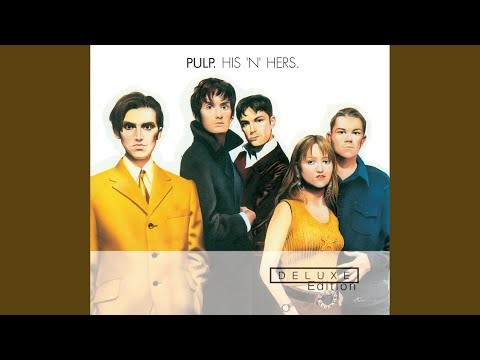
Pulp are an English alternative rock band who formed in Sheffield in 1978. Their best-known line-up from their heyday (1994-1996) consisted of Jarvis Cocker (vocals, guitar), Candida Doyle (keyboards), Russell Senior (guitar, violin), Mark Webber (guitar, keyboards), Steve Mackey (bass) and Nick Banks (drums). It's no exaggeration to say that the music of Pulp has been able to capture the attention of its listeners for decades. After all, many do admire their unique blend of rock, Britpop and electronica sounds along with Jarvis Cocker's witty lyrics. Over the past two or three decades, several of their songs have become bona fide anthems: Common People, That's What Loving You Means and Disco 2000 being just a few amongst them. Their distinct blend of post punk soundscape is unmistakeable amid other prominent musicians of their era, mostly due to Cocker's eccentric vocals and frank delivery in contrast with lush artsy pop bands. So while they may not be putting out new music today, many believe their tunes will stand the test of time as works practically bursting with energy and youthfulness.
The Rise and Legacy of Pulp: A Musical Biography
Pulp was the unlikely British alternative band that rose to fame in the 90s through their unique songs and style. Despite being formed in the late 70s, it wasn't until the release of their album, Different Class, that they became a household name. Their witty and observational songwriting and Jarvis Cocker's eccentric stage presence made them one of the most iconic bands of the era. In this post, we'll take a deep dive into Pulp's musical biography, genre, best songs, famous concerts, and a critical analysis of their legacy.
Pulp's music is often described as a combination of Britpop, alternative rock, and post-punk. They were known for their lyrico-centric approach that focused on everyday subjects like life, love, and relationships. Their music was a reflection of their working-class roots, and that's what made them stand out in a sea of posh British bands. Their early albums, such as Freaks and Separations, were critical darlings, but it wasn't until Different Class that they achieved mainstream success.
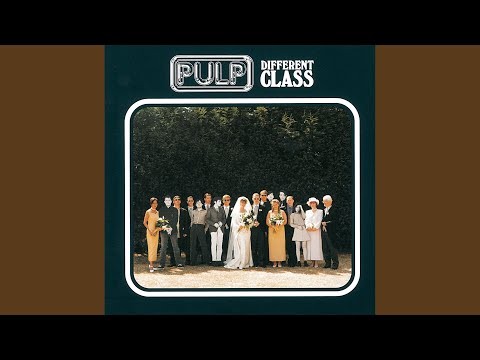
Different Class was released in 1995 and went on to become an instant classic. The album featured their biggest hit, Common People, which was a satirical take on class differences and social mobility. Other notable songs from the album include Disco 2000, Sorted for E's & Wizz, and I Spy. The album's success saw Pulp headline the Reading Festival in the same year, cementing their place as one of the biggest British bands of the 90s.
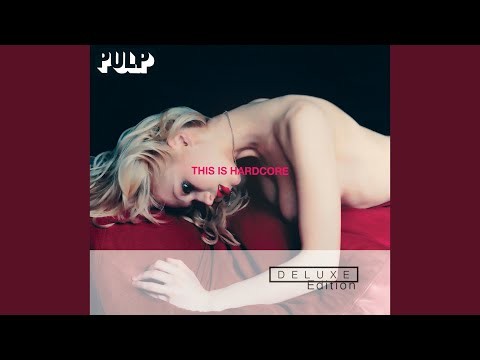
Apart from Different Class, Pulp released several other successful albums, including This Is Hardcore and We Love Life. Their final album, We Love Life, featured collaborations with Richard Hawley and Scott Walker and showcased a mellower side of the band. It revealed a new dimension of Jarvis Cocker's songwriting, and it was clear that the band had matured over the years.
One of the most significant performances in Pulp's career was their set at the Glastonbury Festival in 1995. It was a legendary performance that saw the band at the height of their powers. The set culminated with a rousing rendition of Common People, which saw thousands of fans singing along with Cocker. The performance has been widely regarded as one of the best in the festival's history and is proof of Pulp's enduring legacy.
Looking back, Pulp's legacy is defined by their mix of observational lyrics, catchy melodies, and Jarvis Cocker's iconic stage presence. They were never afraid to tackle taboo subjects in their music or challenge class differences in their lyrics. Their impact on the British music scene of the 90s cannot be overstated, and their influence can still be felt in modern music.
In conclusion, Pulp was a band that defined a generation. They were much more than just a quirky British band; they were a reflection of the times and a voice of the working class. Their music has stood the test of time, and their legacy still resonates with music enthusiasts today. By taking a deep dive into their musical biography, genre, best songs, famous concerts, and critical analysis, we see that they were a band like no other. They will forever be remembered as one of the most important British bands of the 90s.
The Rise and Legacy of Pulp: A Musical Biography
Pulp was the unlikely British alternative band that rose to fame in the 90s through their unique songs and style. Despite being formed in the late 70s, it wasn't until the release of their album, Different Class, that they became a household name. Their witty and observational songwriting and Jarvis Cocker's eccentric stage presence made them one of the most iconic bands of the era. In this post, we'll take a deep dive into Pulp's musical biography, genre, best songs, famous concerts, and a critical analysis of their legacy.
Pulp's music is often described as a combination of Britpop, alternative rock, and post-punk. They were known for their lyrico-centric approach that focused on everyday subjects like life, love, and relationships. Their music was a reflection of their working-class roots, and that's what made them stand out in a sea of posh British bands. Their early albums, such as Freaks and Separations, were critical darlings, but it wasn't until Different Class that they achieved mainstream success.
Different Class was released in 1995 and went on to become an instant classic. The album featured their biggest hit, Common People, which was a satirical take on class differences and social mobility. Other notable songs from the album include Disco 2000, Sorted for E's & Wizz, and I Spy. The album's success saw Pulp headline the Reading Festival in the same year, cementing their place as one of the biggest British bands of the 90s.
Apart from Different Class, Pulp released several other successful albums, including This Is Hardcore and We Love Life. Their final album, We Love Life, featured collaborations with Richard Hawley and Scott Walker and showcased a mellower side of the band. It revealed a new dimension of Jarvis Cocker's songwriting, and it was clear that the band had matured over the years.
One of the most significant performances in Pulp's career was their set at the Glastonbury Festival in 1995. It was a legendary performance that saw the band at the height of their powers. The set culminated with a rousing rendition of Common People, which saw thousands of fans singing along with Cocker. The performance has been widely regarded as one of the best in the festival's history and is proof of Pulp's enduring legacy.
Looking back, Pulp's legacy is defined by their mix of observational lyrics, catchy melodies, and Jarvis Cocker's iconic stage presence. They were never afraid to tackle taboo subjects in their music or challenge class differences in their lyrics. Their impact on the British music scene of the 90s cannot be overstated, and their influence can still be felt in modern music.
In conclusion, Pulp was a band that defined a generation. They were much more than just a quirky British band; they were a reflection of the times and a voice of the working class. Their music has stood the test of time, and their legacy still resonates with music enthusiasts today. By taking a deep dive into their musical biography, genre, best songs, famous concerts, and critical analysis, we see that they were a band like no other. They will forever be remembered as one of the most important British bands of the 90s.