Biography
Minutemen: history and sound
Minutemen was an American rock band formed in San Pedro, California in 1980. Composed of guitarist-vocalist D.
Minutemen: A Story of Punk, Politics, and Poetry
Punk music in the United States began in the mid-1970s as a revolt against the overblown, self-indulgent sounds of the arena-rock bands that had taken over the airwaves. Punks wanted their music stripped-down, fast, and angry, with no-frills lyrics that spoke to the alienation they felt in the face of a conformist, capitalist, society. Among the pioneers of this new sound were the Minutemen, a band from San Pedro, California, that played over 500 shows between 1980 and 1985 before the untimely death of their lead singer and bassist D. Boon. While they never achieved mainstream success, the Minutemen's legacy lives on today as one of the most important and influential bands of the punk era.
The Minutemen were deeply political and progressive, and their songs reflected their concerns about everything from war and imperialism to environmental degradation and police brutality. Their music was a melting pot of influences: punk, jazz, funk, reggae, country, and even spoken word poetry. They often played without setlists, and their music would veer from short, frantic bursts of energy to extended instrumentals and experimental jams that could go on for minutes at a time.
One of their signature songs, Viet Nam, was written in protest of the country's involvement in the war, and takes a scathing look at the government's propaganda campaign. Other tracks, such as Corona and The Glory of Man, were inspired by existentialist philosophy and the struggle to find meaning in a world that often seems senseless. Their cover of Creedence Clearwater Revival's Have You Ever Seen the Rain? transformed the song from a nostalgic hit into a mournful meditation on disillusionment and disappointment.
The Minutemen's sound was marked by the unique interplay between D. Boon's guitar and Mike Watt's bass, which often acted as the de facto rhythm section for the band. The two had been friends since they were kids, and their musical partnership was one of the most enduring and productive in all of punk. The band's drummers, including George Hurley and Frank Tonche, were no slouches either, and their polyrhythmic patterns and driving beats added another layer of complexity to the Minutemen's sound.
The band's live shows were legendary, with performances that could last anywhere from 20 minutes to several hours. They were known to start sets with an acapella version of The Star-Spangled Banner, which would morph into an improvised instrumental odyssey. The band's energy was infectious, and fans would often dance wildly and pogo to their fast-paced rhythms. One of the most famous shows in the band's career was the 1985 concert that they played with Black Flag and the Meat Puppets, which was captured on film by director Dave Markey in the seminal punk documentary, The Decline of Western Civilization.
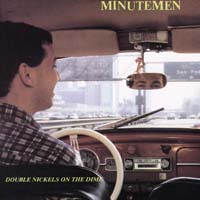
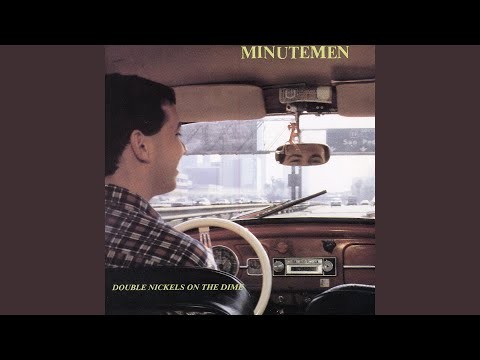
Critics have long praised the Minutemen's music for its genre-bending experimentation, poetic lyrics, and incendiary political commentary. Robert Christgau of Village Voice called them a revelation and praised their loose-limbed grace and warped beauty. Rolling Stone named their 1984 album Double Nickels on the Dime one of the 500 greatest albums of all time, and Spin magazine ranked them at number four on their list of the 25 greatest punk bands of all time. The Minutemen's influence on subsequent bands has been immense, and everyone from Nirvana to R.E.M. has cited them as an inspiration.
The Minutemen may never have achieved the commercial success they deserved, but their music remains relevant and important today. Their ability to fuse together seemingly disparate genres and deftly weave together complex societal, political, and existential ideas into catchy punk anthems is a testament to their creativity and vision. The Minutemen showed us that punk music can be more than just three chords and a sneer – it can be poetry, politics, and a call to action.
Minutemen: A Story of Punk, Politics, and Poetry
Punk music in the United States began in the mid-1970s as a revolt against the overblown, self-indulgent sounds of the arena-rock bands that had taken over the airwaves. Punks wanted their music stripped-down, fast, and angry, with no-frills lyrics that spoke to the alienation they felt in the face of a conformist, capitalist, society. Among the pioneers of this new sound were the Minutemen, a band from San Pedro, California, that played over 500 shows between 1980 and 1985 before the untimely death of their lead singer and bassist D. Boon. While they never achieved mainstream success, the Minutemen's legacy lives on today as one of the most important and influential bands of the punk era.
The Minutemen were deeply political and progressive, and their songs reflected their concerns about everything from war and imperialism to environmental degradation and police brutality. Their music was a melting pot of influences: punk, jazz, funk, reggae, country, and even spoken word poetry. They often played without setlists, and their music would veer from short, frantic bursts of energy to extended instrumentals and experimental jams that could go on for minutes at a time.
One of their signature songs, Viet Nam, was written in protest of the country's involvement in the war, and takes a scathing look at the government's propaganda campaign. Other tracks, such as Corona and The Glory of Man, were inspired by existentialist philosophy and the struggle to find meaning in a world that often seems senseless. Their cover of Creedence Clearwater Revival's Have You Ever Seen the Rain? transformed the song from a nostalgic hit into a mournful meditation on disillusionment and disappointment.
The Minutemen's sound was marked by the unique interplay between D. Boon's guitar and Mike Watt's bass, which often acted as the de facto rhythm section for the band. The two had been friends since they were kids, and their musical partnership was one of the most enduring and productive in all of punk. The band's drummers, including George Hurley and Frank Tonche, were no slouches either, and their polyrhythmic patterns and driving beats added another layer of complexity to the Minutemen's sound.
The band's live shows were legendary, with performances that could last anywhere from 20 minutes to several hours. They were known to start sets with an acapella version of The Star-Spangled Banner, which would morph into an improvised instrumental odyssey. The band's energy was infectious, and fans would often dance wildly and pogo to their fast-paced rhythms. One of the most famous shows in the band's career was the 1985 concert that they played with Black Flag and the Meat Puppets, which was captured on film by director Dave Markey in the seminal punk documentary, The Decline of Western Civilization.
Critics have long praised the Minutemen's music for its genre-bending experimentation, poetic lyrics, and incendiary political commentary. Robert Christgau of Village Voice called them a revelation and praised their loose-limbed grace and warped beauty. Rolling Stone named their 1984 album Double Nickels on the Dime one of the 500 greatest albums of all time, and Spin magazine ranked them at number four on their list of the 25 greatest punk bands of all time. The Minutemen's influence on subsequent bands has been immense, and everyone from Nirvana to R.E.M. has cited them as an inspiration.
The Minutemen may never have achieved the commercial success they deserved, but their music remains relevant and important today. Their ability to fuse together seemingly disparate genres and deftly weave together complex societal, political, and existential ideas into catchy punk anthems is a testament to their creativity and vision. The Minutemen showed us that punk music can be more than just three chords and a sneer – it can be poetry, politics, and a call to action.
.jpg)