Biography
Marty Robbins: history and sound
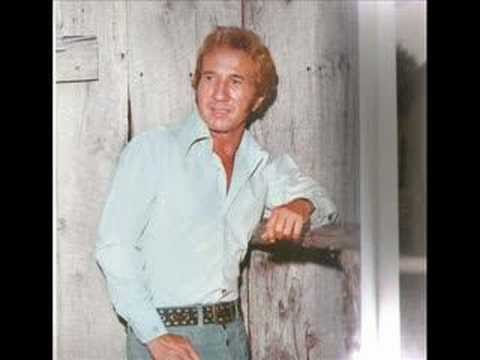
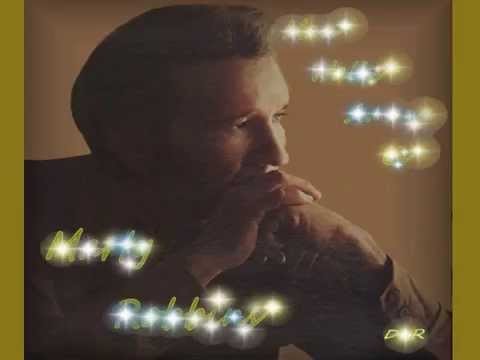
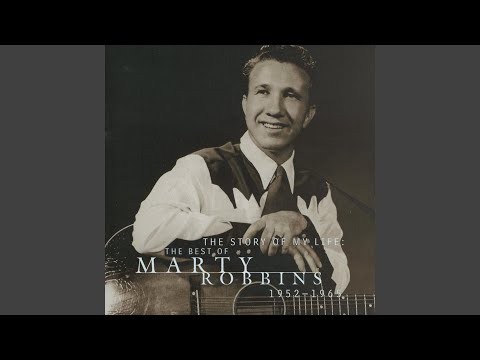
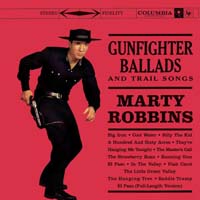
Martin David Robinson (September 26, 1925 – December 8, 1982), known professionally as Marty Robbins, was an American singer, songwriter, multi-instrumentalist, and racing driver.
Understanding the Musical Legacy of Marty Robbins - A Tribute to a Legendary Artist
One of the many fascinating things about music is its ability to touch lives across generations. Even decades after an artist’s passing, their songs continue to resonate with listeners. Marty Robbins is one such artist who has left a deep imprint on the annals of country music. He is widely regarded as one of the greatest artists of all time for his extensive contribution to the world of music. Robbins has set numerous benchmarks with his intuitive style of singing and songwriting, but his is a name that many younger music fans today may not be familiar with. So, to honor his legacy, let's take a deep dive into the career of this iconic artist.
Marty Robbins' life was nothing less than extraordinary — a true rags-to-riches tale that began in Glendale, Arizona. Robbins' grew up in an impoverished family and was forced to start performing at a young age to help make ends meet. His musical career skyrocketed with hits such as 'El Paso,' 'My Woman, My Woman, My Wife,' and 'Don't Worry.' Robbins' was known for his unique fusion of country, rock, and western music styles, earning him the nickname 'The Drifter.' Robbins' love of music began as a young child, learning chords on his guitar and writing songs about his environment.
Robbins' breakthrough came in with the release of his 1959 hit 'El Paso,' which topped the charts of both country and pop music. The song won a Grammy and is often cited as one of the most influential pieces of music of all time. Robbins continued to produce a string of hits through the '60s and '70s, including 'Devil Woman,' 'Big Iron,' 'Ribbon of Darkness,' and 'Tonight Carmen,' among several others. His music spanned a range of genres, from rockabilly to ballads, and he was a pro at switching from one style to the other seamlessly.
In terms of famous concerts, Marty Robbins' 1965 performance at the Grand Ole Opry stands out as a significant moment. Robbins filled in for the famous singer George Jones, who was going through a rough patch. The audience was so impressed with Robbins' vocals that he received a five-minute ovation upon completing his set, a rare feat in the history of the Grand Ole Opry.
Marty Robbins' music was an instant hit among fans of all ages and backgrounds. His proficient songwriting and singing skills wrapped everyday stories of life and love in a refreshing way, making him a favorite among country music lovers. Robbins was renowned for his ability to connect with his audience through his music, sometimes pushing the boundaries of country music through his bold approach.
Marty Robbins left an indelible mark on the world of music. He transcended genres and touched hearts with his music that will continue to resonate with listeners for years to come. The world lost Robbins in 1982 to a heart attack, but the impact of his life and work lives on to inspire new generations of artists. With his legacy alive and well, it's no wonder he remains a hero to so many music listeners. So, next time you listen to his songs, take a moment to appreciate the immense talent and craftsmanship that went into creating them. Let us all be grateful for the gift of Marty Robbins' music.
Understanding the Musical Legacy of Marty Robbins - A Tribute to a Legendary Artist
One of the many fascinating things about music is its ability to touch lives across generations. Even decades after an artist’s passing, their songs continue to resonate with listeners. Marty Robbins is one such artist who has left a deep imprint on the annals of country music. He is widely regarded as one of the greatest artists of all time for his extensive contribution to the world of music. Robbins has set numerous benchmarks with his intuitive style of singing and songwriting, but his is a name that many younger music fans today may not be familiar with. So, to honor his legacy, let's take a deep dive into the career of this iconic artist.
Marty Robbins' life was nothing less than extraordinary — a true rags-to-riches tale that began in Glendale, Arizona. Robbins' grew up in an impoverished family and was forced to start performing at a young age to help make ends meet. His musical career skyrocketed with hits such as 'El Paso,' 'My Woman, My Woman, My Wife,' and 'Don't Worry.' Robbins' was known for his unique fusion of country, rock, and western music styles, earning him the nickname 'The Drifter.' Robbins' love of music began as a young child, learning chords on his guitar and writing songs about his environment.
Robbins' breakthrough came in with the release of his 1959 hit 'El Paso,' which topped the charts of both country and pop music. The song won a Grammy and is often cited as one of the most influential pieces of music of all time. Robbins continued to produce a string of hits through the '60s and '70s, including 'Devil Woman,' 'Big Iron,' 'Ribbon of Darkness,' and 'Tonight Carmen,' among several others. His music spanned a range of genres, from rockabilly to ballads, and he was a pro at switching from one style to the other seamlessly.
In terms of famous concerts, Marty Robbins' 1965 performance at the Grand Ole Opry stands out as a significant moment. Robbins filled in for the famous singer George Jones, who was going through a rough patch. The audience was so impressed with Robbins' vocals that he received a five-minute ovation upon completing his set, a rare feat in the history of the Grand Ole Opry.
Marty Robbins' music was an instant hit among fans of all ages and backgrounds. His proficient songwriting and singing skills wrapped everyday stories of life and love in a refreshing way, making him a favorite among country music lovers. Robbins was renowned for his ability to connect with his audience through his music, sometimes pushing the boundaries of country music through his bold approach.
Marty Robbins left an indelible mark on the world of music. He transcended genres and touched hearts with his music that will continue to resonate with listeners for years to come. The world lost Robbins in 1982 to a heart attack, but the impact of his life and work lives on to inspire new generations of artists. With his legacy alive and well, it's no wonder he remains a hero to so many music listeners. So, next time you listen to his songs, take a moment to appreciate the immense talent and craftsmanship that went into creating them. Let us all be grateful for the gift of Marty Robbins' music.