Biography
Linton Kwesi Johnson: history and sound
Linton Kwesi Johnson (aka LKJ) (born in Jamaica, 24 August 1952) is a UK-based dub poet. In 2002 he became the second living poet, and the only black poet, to be published in the Penguin Modern Classics series.
The Music and Legacy of Linton Kwesi Johnson
As music lovers, we all have that one artist we idolize because their music resonates within us. For me, Linton Kwesi Johnson is that artist. The Jamaican-British musician and poet is known for his captivating lyrics, his social and political commentary, and his advocacy for the Black community. In this blog post, we'll delve into the journey of Linton Kwesi Johnson, his musical biography, the best songs, his unique music genre, and a few famous concerts. Additionally, we'll touch on a critique of the artist's music.
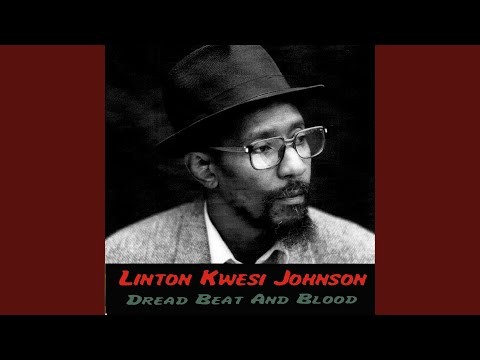
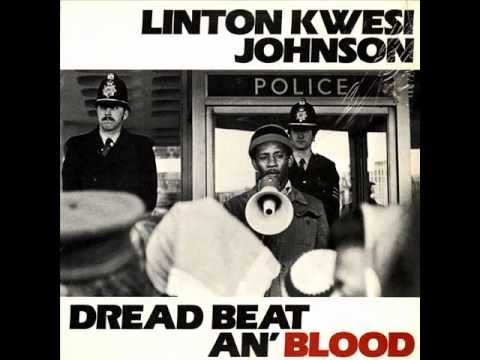
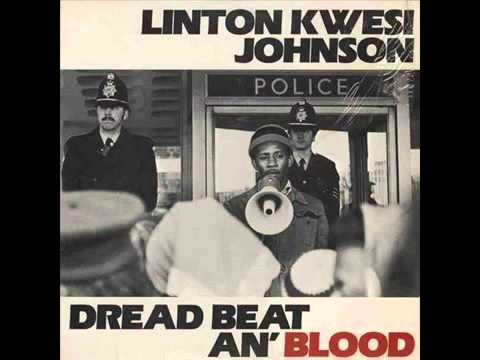
Linton Kwesi Johnson was born on August 24, 1952, in Chapelton, Jamaica, and moved to London when he was 11 years old. He started listening to music at a young age, and his love for it drove him to write his own songs and poetry when he was in his teens. Johnson's music reflects his experiences living as a Black man in Britain during a time of racial turmoil, civil unrest, and police brutality. His first album, Dread Beat an' Blood, released in 1978, is a testament to this.
Linton Kwesi Johnson's music genre was not typical. He is referred to as the 'Dub Poet', where he recites his poems over reggae rhythms. He also collaborates with reggae musicians, most notably, Dennis Bovell. Johnson's music style blends elements of reggae, ska, and dub, spreading a powerful social message with every song he creates. Some of his most iconic and meaningful music pieces include Inglan Is A Bitch, Sonny's Lettah, Five Nights of Bleeding, and Di Great Insohreckshan.
Johnson's musical legacy still influences today's generation of musicians across the world. During the 1980s, he set up the record label LKJ Records, which provided a platform for other artists to express their own experiences, particularly marginalised Black voices. Alongside this, Johnson was involved in political activism through the Rastafarian movement, supporting South African anti-apartheid groups, and protesting police brutality.
One of the most memorable performances of Johnson was his one-man show at the Royal Court Theatre in London, in 1981. He recited his poems accompanied by a reggae band, captivating his audience with his powerful lyrics and stirring voice. It was a show that'll stick with me forever. Beyond the performances, in 2002, Johnson was awarded the Order of Distinction by the Jamaican government for his exceptional contribution to Jamaica, Jamaican music, and poetry.
Reviewing Linton Kwesi Johnson's music, the music critics have stated that his music was a mix of poetry and music. His political and social message was significant, representing how the Black people of Britain were feeling during his time, being oppressed and marginalized in the country they called home. The critics also concluded that the music was not for everyone, but the setting he created with his work was the most defining factor in his songs.
In conclusion, Linton Kwesi Johnson and his music have had a significant impact on the music industry, politics, and society. His powerful lyrics, delivered over reggae rhythms, remain thought-provoking and inspiring years after their release, influencing even the new generation of musicians. Johnson's legacy lives on through his music and activism, providing hope and a voice for the voiceless. He remains an icon in the reggae music industry, as a poet, an advocate for racial justice, and a powerful contributor to modern-day music.
In conclusion, Linton Kwesi Johnson and his music have had a significant impact on the music industry, politics, and society. His powerful lyrics, delivered over reggae rhythms, remain thought-provoking and inspiring years after their release, influencing even the new generation of musicians. Johnson's legacy lives on through his music and activism, providing hope and a voice for the voiceless. He remains an icon in the reggae music industry, as a poet, an advocate for racial justice, and a powerful contributor to modern-day music.
The Music and Legacy of Linton Kwesi Johnson
As music lovers, we all have that one artist we idolize because their music resonates within us. For me, Linton Kwesi Johnson is that artist. The Jamaican-British musician and poet is known for his captivating lyrics, his social and political commentary, and his advocacy for the Black community. In this blog post, we'll delve into the journey of Linton Kwesi Johnson, his musical biography, the best songs, his unique music genre, and a few famous concerts. Additionally, we'll touch on a critique of the artist's music.
Linton Kwesi Johnson was born on August 24, 1952, in Chapelton, Jamaica, and moved to London when he was 11 years old. He started listening to music at a young age, and his love for it drove him to write his own songs and poetry when he was in his teens. Johnson's music reflects his experiences living as a Black man in Britain during a time of racial turmoil, civil unrest, and police brutality. His first album, Dread Beat an' Blood, released in 1978, is a testament to this.
Linton Kwesi Johnson's music genre was not typical. He is referred to as the 'Dub Poet', where he recites his poems over reggae rhythms. He also collaborates with reggae musicians, most notably, Dennis Bovell. Johnson's music style blends elements of reggae, ska, and dub, spreading a powerful social message with every song he creates. Some of his most iconic and meaningful music pieces include Inglan Is A Bitch, Sonny's Lettah, Five Nights of Bleeding, and Di Great Insohreckshan.
Johnson's musical legacy still influences today's generation of musicians across the world. During the 1980s, he set up the record label LKJ Records, which provided a platform for other artists to express their own experiences, particularly marginalised Black voices. Alongside this, Johnson was involved in political activism through the Rastafarian movement, supporting South African anti-apartheid groups, and protesting police brutality.
One of the most memorable performances of Johnson was his one-man show at the Royal Court Theatre in London, in 1981. He recited his poems accompanied by a reggae band, captivating his audience with his powerful lyrics and stirring voice. It was a show that'll stick with me forever. Beyond the performances, in 2002, Johnson was awarded the Order of Distinction by the Jamaican government for his exceptional contribution to Jamaica, Jamaican music, and poetry.
Reviewing Linton Kwesi Johnson's music, the music critics have stated that his music was a mix of poetry and music. His political and social message was significant, representing how the Black people of Britain were feeling during his time, being oppressed and marginalized in the country they called home. The critics also concluded that the music was not for everyone, but the setting he created with his work was the most defining factor in his songs.
In conclusion, Linton Kwesi Johnson and his music have had a significant impact on the music industry, politics, and society. His powerful lyrics, delivered over reggae rhythms, remain thought-provoking and inspiring years after their release, influencing even the new generation of musicians. Johnson's legacy lives on through his music and activism, providing hope and a voice for the voiceless. He remains an icon in the reggae music industry, as a poet, an advocate for racial justice, and a powerful contributor to modern-day music.
In conclusion, Linton Kwesi Johnson and his music have had a significant impact on the music industry, politics, and society. His powerful lyrics, delivered over reggae rhythms, remain thought-provoking and inspiring years after their release, influencing even the new generation of musicians. Johnson's legacy lives on through his music and activism, providing hope and a voice for the voiceless. He remains an icon in the reggae music industry, as a poet, an advocate for racial justice, and a powerful contributor to modern-day music.