Biography
Lata Mangeshkar: history and sound
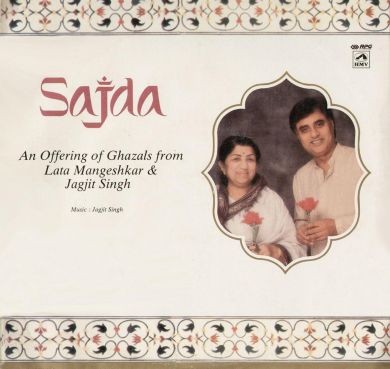
Lata Mangeshkar is associated with Indian Music, a field defined by film?song melodicism, classical raga frameworks, regional folk idioms, and modern pop/hip?hop/electronic production. Their catalog illustrates how the style balances artistry and accessibility, remaining open to experimentation while preserving a recognizable core identity. In production terms, Indian Music often prioritizes texture, space, and rhythmic clarity. Lata Mangeshkar’s recordings tend to highlight arrangement choices that let key elements breathe—whether that means a lead vocal over a restrained groove, a luminous synth stack, or an acoustic instrument captured with intimate detail so that tone and articulation feel present to the listener. Across releases, Lata Mangeshkar uses form and dynamics to create momentum without sacrificing nuance. Tempos may flex from downtempo to club?ready, or from meditative pulses to widescreen crescendos, but the musical narrative remains coherent. Hooks are crafted to be memorable yet understated, serving the overall mood rather than overwhelming it. Live, Lata Mangeshkar typically treats the stage as an extension of the studio, translating layered mixes into performances that emphasize groove and connection. Audience call?and?response, improvised codas, and carefully paced setlists help maintain engagement from the opening track through the encore, reinforcing the communal nature of Indian Music. Culturally, Indian Music thrives because it is porous—borrowing and integrating elements from adjacent scenes. Lata Mangeshkar participates in that exchange, collaborating with artists across borders and disciplines. Digital platforms amplify this reach: editorial playlists, short?form video, and remote sessions enable ideas to travel quickly and shape new directions for subsequent releases. Storytelling remains central. Even in instrumental contexts, Lata Mangeshkar organizes musical ideas to suggest arcs—introduction, build, release, reflection. Transitions are handled with care: instrument swaps, register shifts, or rhythmic switches invite the ear forward, which is why Indian Music continues to attract listeners who value both surface beauty and structural craft. As tastes evolve, Lata Mangeshkar adapts. Classic motifs are recontextualized through contemporary sound design: updated drum palettes, extended harmonic colors, or spatial processing that places instruments in a believable acoustic field. This approach allows the music to feel current without discarding what drew audiences in to begin with. Another throughline in Lata Mangeshkar’s work is attention to pacing. On albums, sequencing balances energy and repose; on singles, intros and breakdowns are sculpted for maximum immediacy without sacrificing depth. The result is a listening experience that rewards casual play and deep focus alike, serving living rooms, headphones, and live stages. Ultimately, Lata Mangeshkar’s role in Indian Music underscores the power of careful craft: rhythm, tone, and texture aligned to create memories, not just moments. That combination—emotive design and technical intention—helps the music endure as technologies and trends shift. It is why Lata Mangeshkar remains a reliable reference point for new listeners discovering Indian Music today.